





Explore more articles
Most Viewed
Recommended for you
गो स्पिरिचुअल बना इंकस्पेल इनसाइट इग्निशन 4.0 का स्पिरिचुअल पार्टनर
28 अक्टूबर को गुरुग्राम में एक साथ होंगे आईसीएल, अनलॉक्ड और मैडेक्स अवॉर्ड्स; गो स्पिरिचुअल देगा मानसिक सेहत, मन की शांति और जिम्मेदार नेतृत्व का संदेश
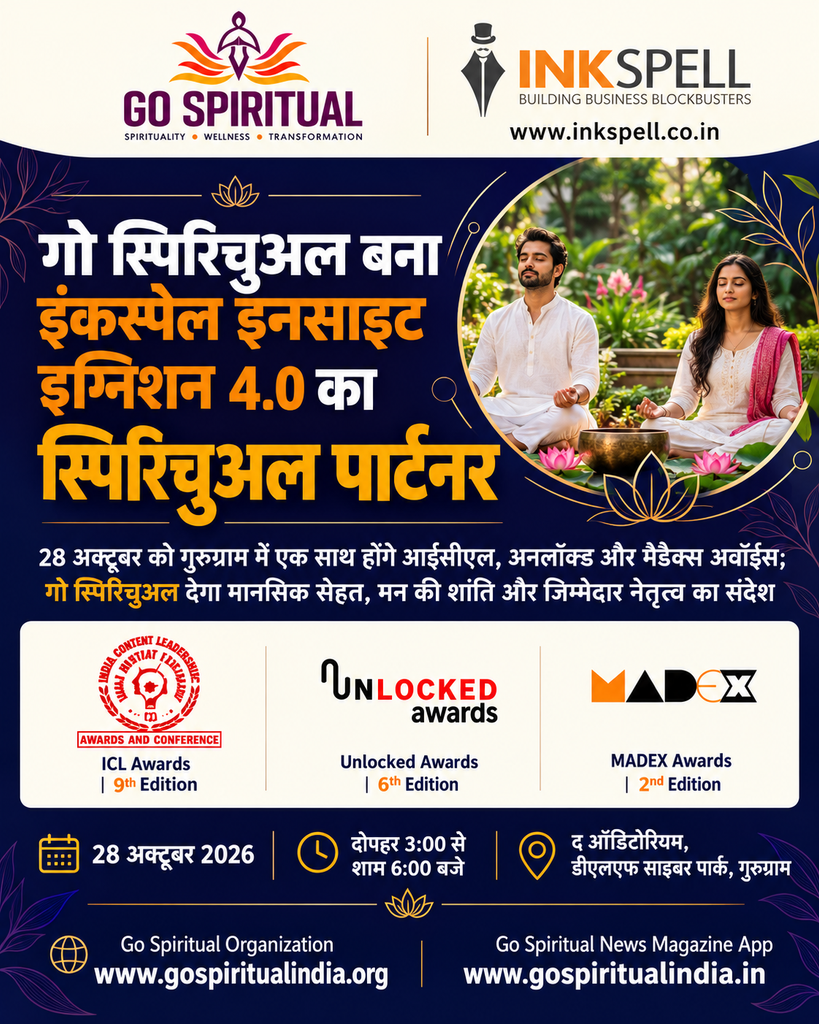
मुंबई: सोनू त्यागी की स्थापित आध्यात्मिक और वेलनेस संस्था गो स्पिरिचुअल, इंकस्पेल इनसाइट इग्निशन 4.0 से स्पिरिचुअल पार्टनर के रूप में जुड़ी है। इंकस्पेल मीडिया का यह कार्यक्रम 28 अक्टूबर 2026 को दोपहर 3 बजे से शाम 6 बजे तक द ऑडिटोरियम, डीएलएफ साइबर पार्क, गुरुग्राम में होगा। इसमें कंटेंट, डिजिटल, विज्ञापन और मीडिया से जुड़े ब्रांड्स, एजेंसियां, मार्केटिंग विशेषज्ञ, कंटेंट बनाने वाले लोग और अन्य पेशेवर शामिल होंगे।
इससे पहले गो स्पिरिचुअल डिजिफेस्ट 2026 से भी स्पिरिचुअल पार्टनर के रूप में जुड़ा था। इनसाइट इग्निशन 4.0 के साथ इस साझेदारी के जरिए संस्था काम और कारोबार के साथ लोगों की मानसिक सेहत और मन की शांति पर भी ध्यान देने का संदेश देगी। तेज रफ्तार और काम के दबाव के बीच गो स्पिरिचुअल आपसी समझ, दया और जिम्मेदारी से अपनी बात रखने के महत्व को सामने लाएगा।
इनसाइट इग्निशन 4.0 में तीन प्रमुख अवॉर्ड कार्यक्रम एक मंच पर होंगे। इनमें इंडिया कंटेंट लीडरशिप अवॉर्ड्स (आईसीएल) का 9वां संस्करण, अनलॉक्ड अवॉर्ड्स का छठा संस्करण और मैडेक्स अवॉर्ड्स का दूसरा संस्करण शामिल हैं। इन पुरस्कारों के जरिए कंटेंट, डिजिटल, मार्केटिंग और विज्ञापन में बेहतरीन काम करने वाले ब्रांड्स, एजेंसियों, अभियानों और पेशेवरों को सम्मानित किया जाएगा।
स्पिरिचुअल पार्टनर के रूप में गो स्पिरिचुअल यह संदेश देगा कि काम में सफलता और अपनी सेहत, दोनों का ध्यान रखना जरूरी है। खासकर रचनात्मक काम और लोगों तक संदेश पहुंचाने वाले क्षेत्रों में काम करने वालों के लिए रुककर सोचने, काम और निजी जीवन में संतुलन रखने तथा दूसरों की भावनाओं को समझने का महत्व है।
वीडियो:
कार्यक्रम में तीनों अवॉर्ड कार्यक्रमों के विजेताओं को सम्मानित किया जाएगा। इसके बाद उद्योग के वरिष्ठ लोगों की एक चर्चा होगी। इसमें रचनात्मक सोच, तकनीक, लोगों की बदलती पसंद, कहानी कहने के तरीकों और कारोबार पर इनके असर के बारे में बातचीत होगी। लोगों को नए विचार साझा करने और पेशेवर संबंध बनाने का अवसर भी मिलेगा।
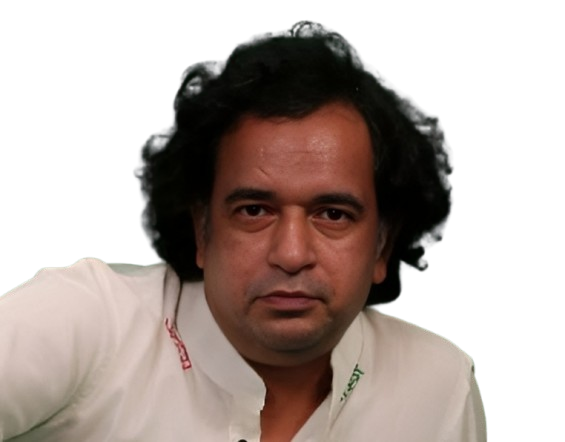
इस साझेदारी पर गो स्पिरिचुअल और अप्रोच एंटरटेनमेंट ग्रुप के संस्थापक सोनू त्यागी ने कहा, “इनसाइट इग्निशन 4.0 के साथ स्पिरिचुअल पार्टनर के रूप में जुड़कर हमें खुशी हो रही है। सफल ब्रांड्स, अभियानों और नए विचारों के पीछे काम करने वाले लोग अक्सर काफी दबाव में रहते हैं। उनकी उपलब्धियों का सम्मान करने के साथ हमें उनकी मानसिक सेहत, मन के संतुलन और जीवन के उद्देश्य पर भी ध्यान देना चाहिए। सफलता तब और सार्थक होती है, जब लोग आगे बढ़ने के साथ अपने मन की शांति भी बनाए रख सकें।”
उन्होंने आगे कहा, “आध्यात्मिकता हमारे कामकाजी जीवन में भी मदद कर सकती है। यह हमें सिखाती है कि दबाव में कैसे शांत रहें, साथ काम करने वालों के साथ कैसा व्यवहार करें, लोगों तक अपनी बात कैसे पहुंचाएं और फैसले कैसे लें। मीडिया और मार्केटिंग से जुड़े लोगों की जिम्मेदारी बड़ी है, क्योंकि उनकी कही बातें और कहानियां लोगों पर असर डालती हैं। जागरूकता, दया और सही-गलत की समझ हमें इस असर का जिम्मेदारी से इस्तेमाल करने में मदद कर सकती है।”
गो स्पिरिचुअल का मानना है कि आध्यात्मिकता हमारे रोज के फैसलों, रिश्तों और समाज के प्रति जिम्मेदारी में भी दिखाई देनी चाहिए। संस्था लोगों को दया, अहिंसा, सेवा और सभी जीवों के सम्मान से जुड़ने के लिए प्रेरित करती है। कामकाजी जीवन में भी ये मूल्य दूसरों का ध्यान रखने, जिम्मेदारी से कंटेंट बनाने और आगे बढ़ते समय अपनी सेहत का ख्याल रखने में मदद कर सकते हैं।
गो स्पिरिचुअल आध्यात्मिक जागरूकता, मानसिक सेहत, परोपकार, आयुर्वेद, सेहतमंद जीवनशैली, जैविक जीवन, आध्यात्मिक पर्यटन, मीडिया, कार्यक्रमों और सामाजिक कार्यों के क्षेत्र में काम करता है। जागरूकता अभियानों और सकारात्मक सामग्री के जरिए संस्था इन विषयों को हर उम्र के लोगों तक आसान भाषा में पहुंचाने का प्रयास करती है।
गो स्पिरिचुअल न्यूज़ मैगजीन एवं ऐप पर आध्यात्मिकता, जागरूक जीवन, योग, ध्यान, सेहत, प्रेरक कहानियों, त्योहारों, मंदिरों, तीर्थस्थलों, रिश्तों और समाज की भलाई से जुड़ी सामग्री उपलब्ध है। संस्था गो स्पिरिचुअल वेब टीवी एवं ओटीटी प्लेटफॉर्म शुरू करने की तैयारी भी कर रही है। इस पर आध्यात्मिक और सकारात्मक सामग्री को प्रमुखता दी जाएगी।
इनसाइट इग्निशन 4.0 के तीनों अवॉर्ड कार्यक्रमों में आई प्रविष्टियों का मूल्यांकन अनुभवी विशेषज्ञों की जूरी ने किया है। इसमें मार्केटिंग, मनोरंजन, वित्तीय सेवाओं, तकनीक, मीडिया और अन्य क्षेत्रों के वरिष्ठ लोग शामिल हैं। तीनों कार्यक्रमों को साथ लाकर यह आयोजन अलग-अलग क्षेत्रों के अच्छे काम को सम्मान देगा और उद्योग के भविष्य पर बातचीत का अवसर भी प्रदान करेगा।

गो स्पिरिचुअल, अप्रोच एंटरटेनमेंट ग्रुप की आध्यात्मिक और सामाजिक पहल है। ग्रुप मनोरंजन, मीडिया और संचार के क्षेत्र में काम करता है। अप्रोच एंटरटेनमेंट एक पुरस्कार विजेता कंपनी है, जो सेलिब्रिटी एवं टैलेंट मैनेजमेंट, फिल्म निर्माण, विज्ञापन एवं कॉरपोरेट फिल्म निर्माण, फिल्मों की मार्केटिंग, इवेंट्स और एंटरटेनमेंट मार्केटिंग की सेवाएं देती है। अप्रोच कम्युनिकेशंस एक पुरस्कार विजेता पीआर, डिजिटल एवं इंटीग्रेटेड कम्युनिकेशंस एजेंसी है। वहीं, अप्रोच बॉलीवुड बॉलीवुड और मनोरंजन की खबरों का न्यूज़वायर, पोर्टल एवं ऐप है।
सोनू त्यागी पुरस्कार विजेता लेखक, निर्देशक, निर्माता, गीतकार और मीडिया उद्यमी हैं। उन्होंने मनोविज्ञान की पढ़ाई के साथ विज्ञापन प्रबंधन, पत्रकारिता और फिल्म निर्माण का प्रशिक्षण लिया है। अप्रोच एंटरटेनमेंट ग्रुप की स्थापना से पहले उन्होंने विज्ञापन एजेंसियों और मीडिया संस्थानों में काम किया। अपने काम के साथ वह आध्यात्मिकता, मानसिक सेहत और सामाजिक कार्यों से भी जुड़े हैं।
सोनू त्यागी ने आध्यात्मिक फिल्म एवं वेब सीरीज ‘टू ग्रेट मास्टर्स’ की रचना और सह-निर्माण किया है। इसमें वरिष्ठ अभिनेता राकेश बेदी हैं। यह स्वामी विवेकानंद और परमहंस योगानंद की शिक्षाओं पर आधारित है। अप्रोच एंटरटेनमेंट के साथ वह अंतरराष्ट्रीय फीचर फिल्म ‘लिबरेशन’ का सह-निर्माण भी कर रहे हैं। वह व्यंग्य पर आधारित हिंदी कॉमेडी फिल्म ‘कैंप डिसेंट’ के क्रिएटिव प्रोड्यूसर भी हैं। इस फिल्म में बृजेंद्र काला, राजपाल यादव, सारा खान और हेमंत पांडे जैसे कलाकार हैं। उन्हें 7वें वर्ल्ड मेंटल हेल्थ कांग्रेस एंड अवॉर्ड्स में ‘टॉप मोस्ट लीडर्स इन मेंटल हेल्थ’ सम्मान से सम्मानित किया गया है।
अधिक जानकारी के लिए संपर्क करें:
गो स्पिरिचुअल / अप्रोच एंटरटेनमेंट / अप्रोच कम्युनिकेशंस
फोन: +91-9820965004 / +91-9716962242
ईमेल: info@approachentertainment.com
अप्रोच एंटरटेनमेंट: www.approachentertainment.com
अप्रोच कम्युनिकेशंस: www.approachcommunications.in
The post गो स्पिरिचुअल बना इंकस्पेल इनसाइट इग्निशन 4.0 का स्पिरिचुअल पार्टनर first appeared on Go Spiritual .
News, go spiritual, sonu tyagi, sonu tyagi advertising, sonu tyagi approach entertainment, sonu tyagi director, sonu tyagi ghaziabad, sonu tyagi go spiritual, sonu tyagi india, sonu tyagi media, sonu tyagi producer, sonu tyagi spiritual, sonu tyagi writer, spiritual blog, spiritual blogs in india, spiritual brands, spiritual brands in india, spiritual events, spiritual events management agencies in india, spiritual events management agency, spiritual events news agency, spiritual events pr, spiritual events pr agencies in india, spiritual image management, spiritual media, spiritual media agency, spiritual media companies in new delhi, spiritual media company, spiritual media company mumbai, spiritual pr, spiritual pr agencies in india, spiritual pr agency, spiritual pr agency in noida, spiritual pr companies in india, spiritual pr companies in mumbai, spiritual pr company, spiritual tv channels, spiritual wellness Go Spiritual
Happiness Is Free, Yet We Spend Our Entire Lives Trying to Buy It
Go Spiritual encourages people to rediscover the joy of simple living, meaningful relationships, gratitude, compassion and inner peace, reminding society that wealth can provide comfort but cannot guarantee happiness.
Mumbai, October 22, 2026: In a world where success is increasingly measured by wealth, luxury, possessions and social status, a simple yet powerful message is encouraging people to reconsider what truly makes life meaningful: “Don’t wait to be rich to be happy. Happiness is free.” Highlighting the spiritual significance of this thought, Go Spiritual, the spiritual awareness and wellness initiative founded by award-winning writer, director and producer Sonu Tyagi, is encouraging people to recognise that genuine happiness does not necessarily come from money, expensive possessions or material achievements, but often from love, gratitude, compassion, meaningful relationships and peace of mind.

The message is particularly relevant in modern society, where many people spend years chasing financial success while postponing their happiness. They convince themselves that life will become enjoyable after purchasing a bigger house, acquiring a luxury car, receiving a promotion, building a successful business or achieving a particular financial milestone. Yet once one ambition is fulfilled, another often takes its place, creating an endless cycle of expectations and dissatisfaction.
Go Spiritual believes that while financial security is important for meeting basic needs and living with dignity, the pursuit of wealth should not prevent people from appreciating the simple joys already present in their lives. A loving family, a child’s smile, a peaceful morning, good health, genuine friendship or an act of kindness can bring moments of happiness that cannot be measured in monetary terms.
The organisation’s message is reflected in an image of a smiling mother and her child, demonstrating how affection, emotional connection and simple moments of joy can exist independently of visible material luxury. The photograph offers a reminder that some of life’s most valuable experiences are not purchased but shared.
Money Can Buy Comfort, But Can It Buy Happiness?
Money plays an essential role in human life. It provides food, shelter, healthcare, education, security and opportunities. Financial hardship can create considerable stress and uncertainty, particularly for families struggling to meet their basic needs. Go Spiritual therefore emphasises that spirituality should never dismiss the importance of financial stability or romanticise poverty.
However, there is an important difference between having sufficient resources to live with dignity and believing that unlimited wealth is necessary for happiness.
A person may own a luxurious home but experience loneliness. Someone may possess expensive cars and designer clothes but struggle with anxiety, strained relationships or dissatisfaction. Conversely, a family with modest financial resources may experience genuine moments of joy through togetherness, mutual respect and emotional support.
This does not mean that people with limited means are automatically happier or that wealth prevents happiness. Rather, it highlights that material circumstances alone do not determine the quality of a person’s emotional and spiritual life.
The pursuit of financial success becomes problematic when individuals begin to treat happiness as a reward that can only be enjoyed after achieving a certain level of wealth.
The Endless Search for More
One of the greatest challenges of modern life is the tendency to constantly compare ourselves with others. Social media platforms regularly display luxurious holidays, expensive vehicles, fashionable lifestyles, grand celebrations and extraordinary professional achievements. While such content can be entertaining or inspiring, constant comparison may also create unrealistic expectations.
People sometimes begin to believe that their lives are incomplete because they do not possess what others appear to have. Instead of appreciating their achievements, relationships and opportunities, they focus on what is missing.
This mindset can turn happiness into a constantly shifting destination.
Someone who once dreamed of owning a small home may become dissatisfied after seeing a larger house. A person who achieves professional success may immediately begin comparing their position with someone more influential. An individual who earns a comfortable income may continue feeling inadequate because others earn more.
Spirituality encourages people to recognise this pattern and develop a healthier relationship with ambition and material success.
The objective is not to stop working hard, pursuing opportunities or improving one’s financial condition. It is to understand that personal worth and happiness should not depend entirely on possessions, status or external approval.
What Indian Spirituality Teaches About Happiness
Indian spiritual traditions have long emphasised the importance of inner contentment, self-awareness, detachment and gratitude.
The Bhagavad Gita encourages individuals to perform their duties sincerely while cultivating freedom from excessive attachment to outcomes. Its teachings offer an important perspective on modern life: work with dedication, pursue worthwhile goals and fulfil responsibilities, but do not allow success or failure to become the sole measure of your happiness.
The concept of Santosha, or contentment, is also an important principle in yogic philosophy. Contentment does not mean abandoning ambition or accepting injustice. It means developing the ability to appreciate the present while continuing to grow and improve.
A spiritually aware person can pursue professional success without becoming consumed by jealousy, greed or endless comparison. Such a person understands that material achievements may contribute to comfort and security, but inner peace also requires emotional balance, meaningful relationships and a sense of purpose.
True happiness often grows when people learn to appreciate what they have rather than constantly focusing on what they lack.
The Happiness Found in Relationships and Simple Moments
Some of life’s most meaningful experiences are remarkably simple. A parent spending time with a child, an elderly person receiving affection from family members, friends sharing laughter, neighbours helping one another or a family enjoying a meal together can create moments of genuine happiness.
These experiences may appear ordinary, but they often become our most treasured memories.
Go Spiritual highlights that love, kindness and emotional connection are essential dimensions of human wellbeing. In the pursuit of financial success, people sometimes sacrifice the very relationships that give their achievements meaning.
Parents may become so occupied with professional responsibilities that they struggle to spend time with their children. Individuals may postpone visiting elderly relatives or maintaining friendships because they are constantly busy. Families may live under the same roof yet spend little meaningful time together.
The organisation encourages people to make room for relationships, conversations, shared experiences and emotional support alongside their professional ambitions.
A successful career and a loving family need not be competing goals. The challenge is to create a balanced life in which financial responsibilities are fulfilled without neglecting emotional and spiritual wellbeing.
Sonu Tyagi: Happiness Should Not Be Postponed Until We Become Wealthy
Sonu Tyagi, Founder of Go Spiritual and Approach Entertainment, believes that people should not spend their entire lives waiting for financial success before allowing themselves to experience happiness.
The message reflects a simple spiritual principle: while wealth may improve material circumstances, gratitude, compassion, relationships and inner contentment are equally important to a meaningful life.
The pursuit of success should not require individuals to sacrifice their health, relationships, peace of mind and everyday joys. People can work towards a better future while still appreciating the present.
Go Spiritual encourages people to reflect on how frequently they postpone happiness by attaching it to future achievements. Statements such as “I will be happy when I become rich,” “I will enjoy life after retirement,” or “I will find peace once everything is perfect” can prevent individuals from recognising the value of the present moment.
Life rarely becomes completely free of challenges. There will always be responsibilities, uncertainties and new ambitions. Learning to appreciate meaningful moments amid these circumstances can contribute to a more balanced and fulfilling life.
Compassion and Giving Can Bring a Different Kind of Happiness
Go Spiritual also emphasises that happiness can emerge from helping others.
Acts of kindness, volunteering, supporting disadvantaged families, caring for elderly people, helping someone experiencing emotional distress or showing compassion towards animals can create a sense of purpose and connection.
Through its initiatives in philanthropy, social causes, spirituality, mental health and wellness, vegetarianism and animal welfare, Go Spiritual encourages individuals to discover the emotional and spiritual value of compassionate action.
A person does not need to become a millionaire to practise generosity. Sharing food with someone hungry, offering time to a person who feels lonely, supporting a struggling neighbour or helping an injured animal can be meaningful contributions.
The organisation believes that generosity should not be measured only by financial donations. Time, empathy, attention and sincere concern for others are also valuable forms of giving.
The happiness that comes from helping someone cannot always be expressed through money or material rewards. It often comes from knowing that one’s actions have made another person’s life a little better.
Mental Health, Gratitude and the Search for Inner Peace
The connection between happiness and mental wellbeing is another important aspect of Go Spiritual’s message.
Modern lifestyles can expose individuals to demanding work schedules, financial pressures, social comparison, relationship difficulties and uncertainty about the future. These challenges may affect emotional wellbeing and contribute to stress.
Practices such as meditation, mindfulness, yoga, prayer, gratitude exercises and spending time in nature may support relaxation, emotional awareness and a greater sense of balance.
However, happiness should not be presented as something people can achieve simply by changing their attitude. Mental health conditions, poverty, trauma, discrimination and difficult life circumstances can significantly affect wellbeing. People experiencing persistent emotional distress may require professional mental healthcare, practical assistance and social support.
Go Spiritual encourages a compassionate approach that recognises these realities while promoting accessible practices that can help individuals nurture their emotional and spiritual wellbeing.
Gratitude, in particular, can encourage people to notice positive aspects of life that are sometimes overlooked. Appreciating good health, supportive relationships, small achievements and everyday experiences can help reduce the tendency to focus exclusively on material comparisons.
Living Fully Today Instead of Waiting for Tomorrow
The message “Don’t wait to be rich to be happy” is ultimately an invitation to live more consciously.
It does not ask people to abandon their ambitions, neglect financial responsibilities or stop striving for improvement. Instead, it encourages them to pursue success without making happiness entirely dependent on future wealth.
People can work hard and still enjoy time with loved ones. They can save responsibly while appreciating simple pleasures. They can build businesses and careers while remaining compassionate, humble and grateful.
The greatest tragedy is not necessarily failing to become wealthy. It may be spending an entire lifetime pursuing wealth while overlooking the people, experiences and relationships that make life worth living.
As Go Spiritual continues its initiatives promoting spirituality, mental health and wellness, philanthropy, animal welfare, spiritual tourism and compassionate living, the organisation calls upon people to rediscover the importance of simplicity, gratitude, emotional connection and inner peace.
A smile does not always require money. Kindness does not need a large bank balance. Love cannot be measured by possessions. And some of the most meaningful moments in life are available to us without a price tag.
Don’t wait for a bigger house to enjoy your home. Don’t wait for greater wealth to appreciate your family. Don’t wait for retirement to find moments of peace. And don’t wait for tomorrow to experience the happiness that may already be present in your life today.
Because while money can make life more comfortable, the most precious moments of happiness often come from things that money cannot buy.
About Go Spiritual: Go Spiritual is a spiritual awareness, mental health and wellness, philanthropy and social causes initiative founded by Sonu Tyagi, Founder of Approach Entertainment. The organisation works across spirituality, vegetarianism, animal welfare, Ayurveda and holistic wellbeing, spiritual tourism, media, publications and events.
Go Spiritual Organisation: www.gospiritualindia.org
Go Spiritual News Magazine & App: www.gospiritualindia.in
Download Go Spiritual News Magazine & App on Google Play for spiritual, motivational and wellness content.
The post Happiness Is Free, Yet We Spend Our Entire Lives Trying to Buy It first appeared on Go Spiritual .
Spiritual, happiness, happiness events, happy, happy relationships, how to be happy, i am happy, life, loneliness, lonely, motivational apps, spiritual apps, spiritual blogs in india, spiritual blogs in mumbai, spiritual community, spiritual content, spiritual content productions in india, spiritual editors, spiritual events, spiritual journalists, spiritual life, spiritual magazine, spiritual media, spiritual media companies in new delhi, spiritual media events, spiritual media in mumbai, spiritual media in new delhi, spiritual media organizations in india, spiritual news, spiritual newspapers, spiritual newspapers in india, spiritual pr agencies in new delhi, spiritual speakers in india, spiritual tv, spiritual tv india, spiritual tv productions companies in india, spiritual tv productions in india, spiritual video, spiritual video apps, spiritual video productions, spiritual writers, spiritual writers in new delhi, spiritual writers mumbai, staying happy, top spiritual blog Go Spiritual
We Are More Connected Than Ever, Yet More Disconnected From Ourselves: Why Mindfulness Matters Today
In an age of smartphones, social media, artificial intelligence and endless ambitions, mindfulness reminds us that true happiness, emotional balance and inner peace begin with learning to live in the present.
By Sonu Tyagi, Founder, Go Spiritual & Approach Entertainment
We are living in perhaps the most technologically advanced period in human history. Information is available within seconds, communication has become instantaneous, businesses operate across continents, and artificial intelligence is transforming the way we work, learn and live. Yet amid all this progress, one of the simplest human abilities is becoming increasingly difficult: the ability to be fully present in the moment.
We wake up and immediately reach for our smartphones. Before even getting out of bed, we begin checking messages, emails, news updates and social media notifications. During breakfast, our attention is often divided between food, conversations and screens. At work, we move from one task to another while worrying about deadlines, responsibilities and future uncertainties. Even when we return home, our minds frequently remain occupied with unfinished work, financial concerns or events that have already happened.
We are physically present in one place, but mentally somewhere else.
Our bodies may be sitting with our families while our thoughts remain in the office. We may be travelling through beautiful surroundings without noticing the scenery because we are absorbed in our phones. We may be eating delicious food without experiencing its taste because our attention is occupied by a screen.
And perhaps most importantly, we may be living through some of the most precious moments of our lives without truly experiencing them.
This is where mindfulness becomes extraordinarily relevant.
What Is Mindfulness, and Why Does It Matter?
Mindfulness is the practice of paying attention to the present moment with awareness, openness and without immediately judging our experiences. It involves noticing our thoughts, emotions, physical sensations and surroundings rather than constantly reacting to them or becoming lost in worries about the past and future.
Contrary to a common misconception, mindfulness does not mean stopping all thoughts, escaping responsibilities or withdrawing from the world. It does not require us to abandon ambition, professional commitments or material progress.
Instead, mindfulness teaches us to participate in life with greater awareness.
When we eat, we pay attention to the food. When we listen, we genuinely listen. When we work, we focus on the task before us. When we experience anger, fear or sadness, we recognise these emotions without allowing them to automatically control our behaviour.
Mindfulness is not about making life perfect. It is about becoming more conscious of how we experience and respond to life.
Its significance becomes clearer when we recognise how much of our suffering is intensified by thoughts about things that have already happened or fears about things that may never happen.
We replay old arguments, regret past decisions, worry about future outcomes and imagine negative situations that may not materialise. While reflection and planning are necessary, excessive rumination and worry can consume enormous amounts of mental energy.
Mindfulness encourages us to recognise when our attention has drifted and gently return to the present.
The Modern Crisis of Constant Distraction
One of the greatest challenges of contemporary life is the competition for human attention.
Social media platforms, digital entertainment, online advertising, news applications and countless notifications continuously demand our engagement. Every few minutes, something new invites us to look, react, compare, comment or respond.
Technology has undoubtedly brought extraordinary benefits. It has improved access to education, healthcare, communication, entertainment and economic opportunities. As someone who has spent more than two decades working in media, entertainment, advertising and communications, I have witnessed how digital innovation has transformed industries and created possibilities that were once unimaginable.
But I also believe we must acknowledge the emotional and psychological challenges associated with excessive digital engagement.
We have developed the ability to communicate with thousands of people instantly, yet sometimes struggle to have an uninterrupted conversation with someone sitting beside us.
We know what celebrities, influencers and strangers are doing across the world, yet may remain unaware of the emotional struggles of our own family members.
We capture photographs of beautiful moments, but sometimes forget to experience those moments before sharing them.
The problem is not technology itself. The problem begins when technology controls our attention instead of serving our needs.
Mindfulness helps us develop a more conscious relationship with the digital world. It encourages us to ask whether we are using technology purposefully or simply responding to every distraction that appears before us.
Mindfulness and Mental Health: The Importance of Emotional Awareness
Mental health and emotional wellbeing have become increasingly important concerns across societies. Professional pressures, financial uncertainty, relationship difficulties, social comparison, loneliness and constant information exposure can contribute to stress and emotional exhaustion.
Mindfulness offers a practical approach to developing greater awareness of our internal experiences.
Research suggests that structured mindfulness-based interventions can help some people manage stress, anxiety and depressive symptoms. However, the benefits vary, and mindfulness is not a universal solution or a substitute for professional mental healthcare.
One of its most valuable contributions is helping individuals recognise the difference between experiencing an emotion and being controlled by it.
Consider a situation in which someone criticises us unfairly. Our immediate reaction may be anger. We may feel an urge to respond harshly, send an aggressive message or say something hurtful.
Without awareness, that emotional reaction can quickly turn into behaviour that damages relationships.
Mindfulness creates an opportunity to notice what is happening within us before reacting.
We can recognise that we are angry, observe the physical sensations accompanying that anger and give ourselves a moment to decide how to respond.
The anger may not disappear immediately. But awareness can help us avoid making a difficult situation worse.
This principle applies to jealousy, fear, disappointment, insecurity and other emotions.
Mindfulness does not eliminate human emotions. It helps us develop a healthier relationship with them.
It is equally important to understand that people experiencing severe anxiety, depression, trauma or other mental health conditions may require professional support. Mindfulness can be helpful for some individuals, but certain practices may be uncomfortable or unsuitable for others, particularly without appropriate guidance.
A compassionate approach to mental health must respect individual circumstances rather than suggesting that every difficulty can be resolved simply through positive thinking or meditation.
The Spiritual Roots of Mindfulness in Indian Traditions
Although mindfulness has become increasingly popular in modern wellness programmes, its underlying principles have deep connections with ancient contemplative traditions.
Indian spiritual philosophy has long emphasised self-awareness, meditation, concentration, detachment and the observation of the mind.
The traditions of Yoga and Dhyana encourage individuals to develop greater awareness of their thoughts, actions and inner experiences. Buddhist teachings also place significant emphasis on mindful awareness as part of the path towards understanding suffering and cultivating wisdom.
The Bhagavad Gita offers profound insights into the importance of mental discipline, balance and performing one’s duties with awareness rather than becoming excessively attached to outcomes.
These teachings remain relevant in contemporary life because the human mind continues to struggle with many of the same fundamental challenges: desire, attachment, anger, fear, jealousy, dissatisfaction and the search for lasting happiness.
Spirituality reminds us that external achievements, although important, cannot by themselves guarantee inner peace.
A person may possess wealth, professional success and social recognition yet remain emotionally unsettled. Another person may have relatively modest resources but experience moments of deep contentment through meaningful relationships, gratitude and self-awareness.
This does not mean financial security is unimportant or that material hardship should be romanticised. Rather, it highlights that wellbeing has emotional, social and spiritual dimensions in addition to material ones.
Mindfulness helps us recognise these dimensions and develop a more balanced understanding of success.
Why Mindfulness Matters in Family Relationships
One of the most important applications of mindfulness is within our families.
Many relationships suffer not because people lack love, but because they lack attention, patience and meaningful communication.
Parents may be physically present with their children while constantly checking work messages. Couples may spend evenings together but remain absorbed in separate screens. Elderly family members may feel lonely even while living in households filled with people.
Sometimes, the greatest gift we can offer someone is not money, expensive presents or grand gestures, but our undivided attention.
When a child speaks, do we genuinely listen or simply wait for the conversation to end? When our parents share their concerns, do we respond with patience or dismiss them because we are busy? When a partner expresses disappointment, do we try to understand their feelings or immediately become defensive?
Mindfulness encourages us to listen without constantly preparing our reply, to recognise the emotions behind words and to respond with greater empathy.
A few minutes of sincere, uninterrupted conversation can sometimes strengthen a relationship more than hours spent together without meaningful engagement.
In a world where everyone seems to be running after something, learning to be fully present with the people we love is an extraordinary expression of care.
Mindfulness at Work: Success Without Losing Inner Peace
Modern professional life often celebrates speed, multitasking and constant availability.
Employees are expected to respond quickly, entrepreneurs manage multiple responsibilities, and business leaders face continuous pressure to make decisions and deliver results.
While dedication and ambition are important, constantly switching attention between tasks can reduce the quality of our work and leave us mentally exhausted.
Mindfulness can help professionals develop more deliberate working habits.
Focusing on one important task at a time, taking short breaks, recognising emotional reactions during difficult meetings and listening attentively to colleagues can improve the quality of professional interactions.
As Founder of Approach Entertainment, I understand the demands of working in industries where deadlines, creativity, relationships and rapid decision-making are part of everyday life.
In entertainment, advertising, public relations and business, unexpected challenges are unavoidable. Projects change, clients have different expectations, schedules become demanding and decisions must often be made under pressure.
What matters is not whether challenges arise, but how consciously we respond to them.
A calm and attentive mind may be better positioned to evaluate options, understand different perspectives and avoid unnecessary conflict.
Mindfulness does not guarantee professional success, but it can support healthier working habits and more thoughtful decision-making.
The Difference Between Living and Merely Existing
Perhaps the most profound lesson of mindfulness is that life happens in the present.
We often imagine happiness as something waiting for us in the future.
We tell ourselves that we will be happy after receiving a promotion, buying a house, achieving financial security, completing a major project or reaching retirement.
Once one goal is achieved, another often takes its place.
In this endless pursuit of tomorrow, we sometimes overlook the beauty of today.
A sunrise, a child’s laughter, a conversation with an old friend, the fragrance of flowers, a peaceful walk or a meal shared with family may appear ordinary. Yet these experiences form the substance of our lives.
Mindfulness encourages us to appreciate them.
This does not mean ignoring the future or refusing to learn from the past. Both are essential. Planning helps us fulfil responsibilities, and reflection allows us to grow from experience.
But neither the past nor the future should consume so much attention that we become strangers to our own present.
We cannot change yesterday, and we cannot fully control tomorrow. But we can become more aware of how we live today.
Mindfulness, Compassion and Our Responsibility Towards Others
Through Go Spiritual, we advocate spirituality, mental health and wellness, philanthropy, vegetarianism, animal welfare, spiritual tourism and compassionate living.
I believe mindfulness should not remain limited to personal relaxation or individual happiness. It should also encourage greater awareness of how our actions affect others.
When we become more attentive to our surroundings, we may begin to notice suffering that previously escaped our attention.
We may recognise the loneliness of an elderly neighbour, the emotional distress of a colleague, the difficulties of a disadvantaged family or the vulnerability of animals dependent on human kindness.
Awareness can become the beginning of compassion.
Mindfulness encourages us to examine not only what we think and feel, but also how we behave towards other people, animals and the environment.
Are our words unnecessarily hurtful? Are our decisions driven by greed or prejudice? Do our consumption habits reflect our values? Are we contributing positively to the lives of others?
These questions connect mindfulness with Ahimsa, Karuna and the broader spiritual responsibility to reduce suffering.
A mindful person is not necessarily someone who meditates for hours. It may be someone who chooses kindness when anger would be easier, listens when others need support or acts responsibly when no one is watching.
How to Practise Mindfulness in Everyday Life
The encouraging aspect of mindfulness is that it does not always require expensive programmes, elaborate arrangements or long periods of meditation.
It can begin with small, practical changes.
We can start the morning by spending a few minutes quietly observing our breathing before checking our phones. We can eat one meal without digital distractions and pay attention to its taste, texture and aroma. We can take a short walk while noticing the sounds, colours and sensations around us.
During conversations, we can put our phones aside and listen more carefully. When anger or anxiety arises, we can pause and notice our reactions before deciding what to do.
We can also create moments of reflection at the end of the day, considering what went well, what challenged us and what we might approach differently tomorrow.
Formal meditation can be useful, but mindfulness can also be practised through ordinary activities such as walking, eating, gardening, prayer or spending time in nature.
The objective is not to achieve a perfectly silent mind. Thoughts will continue to arise, and attention will wander. The practice lies in recognising this and gently returning our awareness to the present.
Even a few intentional moments of awareness can help us begin developing a more conscious relationship with everyday life.
The Future Needs More Than Artificial Intelligence; It Needs Human Awareness
As artificial intelligence becomes increasingly integrated into our lives, the importance of human awareness deserves greater attention.
Technology can process enormous amounts of information, automate complex tasks and improve efficiency. But human life is not defined solely by productivity.
Our ability to experience love, compassion, gratitude, moral responsibility and meaningful relationships remains central to our humanity.
We should welcome technological progress while also protecting the qualities that make human existence meaningful.
The future should not be one in which people become so dependent on constant stimulation that they lose the ability to sit quietly, think independently or connect emotionally with others.
We need innovation, but we also need introspection. We need economic development, but we also need emotional wellbeing. We need faster communication, but we also need deeper understanding.
Above all, we need to remember that a successful life is not necessarily the busiest life.
Mindfulness Is Not an Escape From Life; It Is a Way of Living More Fully
One of the greatest misunderstandings about spirituality is that it requires people to withdraw from responsibilities or abandon worldly ambitions.
I believe the opposite can be true.
Mindfulness can help us become more responsible professionals, attentive parents, compassionate friends, thoughtful leaders and emotionally aware human beings.
It allows us to pursue success without becoming completely consumed by the pursuit. It encourages us to face challenges without automatically surrendering to fear or anger. It reminds us to appreciate relationships before they become memories and to recognise the value of ordinary moments before they pass.
Life will always involve uncertainty, disappointment, responsibilities and change. Mindfulness does not promise to eliminate these realities.
What it offers is an opportunity to meet them with greater awareness.
As we continue advancing technologically and materially, we must also invest in our inner development.
We should teach children not only how to achieve academic success, but also how to understand their emotions and appreciate relationships. We should encourage professionals not only to improve productivity, but also to maintain emotional balance. We should remind families that genuine connection requires attention, patience and compassion.
Through Go Spiritual, our mission is to encourage people to rediscover these values and understand that spirituality is not separate from everyday life. It is reflected in our thoughts, actions, relationships and choices.
In the end, mindfulness is not about sitting with closed eyes while the world moves around us. It is about opening our eyes to the life that is already unfolding.
We spend so much time remembering yesterday and worrying about tomorrow that we often forget to live today.
Perhaps the greatest gift we can give ourselves is the ability to pause, become aware and truly experience the present moment.
Because life is not waiting for us somewhere in the future.
Life is happening right now. And if our minds are always somewhere else, we may miss the very life we are working so hard to build.
About the Author: Sonu Tyagi is an award-winning writer, director, producer and Founder of Go Spiritual & Approach Entertainment. Through Go Spiritual, he promotes spirituality, mental health and wellness, mindfulness, philanthropy, vegetarianism, animal welfare, spiritual tourism, compassionate living and social responsibility.
Go Spiritual Organisation: www.gospiritualindia.org
Go Spiritual News Magazine & App: www.gospiritualindia.in
Download Go Spiritual News Magazine & App on Google Play for spiritual, motivational, mindfulness and wellness content.
The post We Are More Connected Than Ever, Yet More Disconnected From Ourselves: Why Mindfulness Matters Today first appeared on Go Spiritual .
Mind, connected world, digital world, mental health, mental wellness, mind, mindfull, mindfullness, sonu tyagi go spiritual, spiritual content, spiritual events, spiritual media, spiritual media in india, spiritual mind, spiritual news, spiritual pr agencies in mumbai, spiritual pr agency, spiritual pr agency in india, spiritual tv, spiritual tv channels in india, spirituality and mental health Go Spiritual
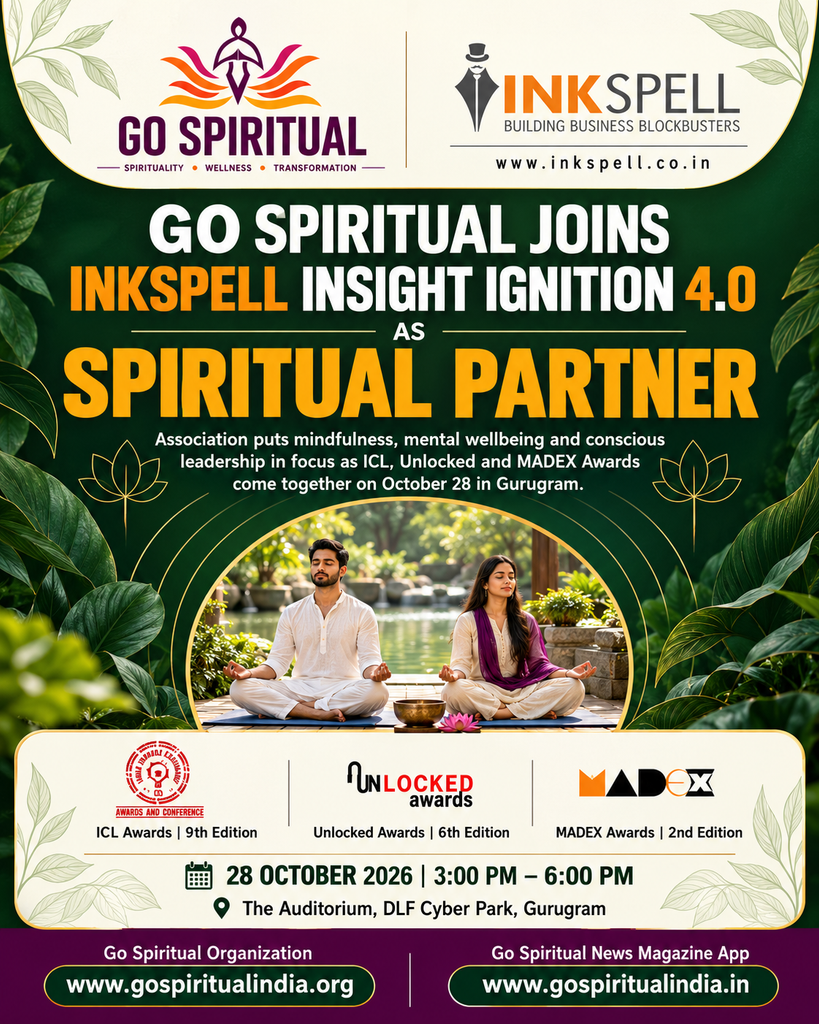
Go Spiritual Joins Inkspell Insight Ignition 4.0 as Spiritual Partner
Association puts mindfulness, mental wellbeing and conscious leadership in focus as ICL, Unlocked and MADEX Awards come together on October 28 in Gurugram
Mumbai: Go Spiritual, the spiritual and wellness organisation founded by Sonu Tyagi, has been named the Spiritual Partner for Inkspell Insight Ignition 4.0, organised by Inkspell Media. The event will take place on October 28, 2026, from 3:00 PM to 6:00 PM at The Auditorium, DLF Cyber Park, Gurugram, bringing together brands, agencies, marketing leaders, content creators and professionals from India’s content, digital, advertising and media industries.
The association continues Go Spiritual’s engagement with platforms connecting creativity, business and human wellbeing, following its association as Spiritual Partner for DigiFest 2026. Through Insight Ignition 4.0, the organisation will highlight the relevance of inner balance, compassion and responsible communication in industries shaped by demanding schedules, constant innovation and competition for audience attention.
Insight Ignition 4.0 will bring three flagship award programmes onto a common stage: the India Content Leadership Awards (ICL) 9th Edition, Unlocked Awards 6th Edition and MADEX Awards 2nd Edition. The programmes will recognise outstanding brands, agencies, campaigns and professionals across content, digital, marketing and advertising.
As Spiritual Partner, Go Spiritual’s association will underline a message central to its work: professional achievement and personal wellbeing deserve equal attention. For people working in creative and communication roles, this means recognising the value of reflection, maintaining healthy boundaries and approaching colleagues, audiences and business decisions with empathy.
The event will feature the felicitation of winners across the three award programmes, followed by an industry panel discussion. Senior industry voices will explore the intersection of creativity, technology, consumer behaviour, storytelling and business impact. The gathering will also offer opportunities to exchange ideas and build professional connections.
Commenting on the partnership, Sonu Tyagi, Founder of Go Spiritual and Approach Entertainment Group, said, “We are pleased to associate with Inkspell Insight Ignition 4.0 as Spiritual Partner. The people behind successful brands, campaigns and creative ideas often work under considerable pressure. While recognising their achievements, we should also recognise the importance of their mental wellbeing, inner balance and sense of purpose. Success becomes more meaningful when people can grow without losing their peace of mind.”
He added, “Spirituality has a practical place in professional life. It can guide how we respond to pressure, treat our colleagues, communicate with audiences and make decisions. For the media and marketing community, creativity carries responsibility because the stories we tell influence people. Mindfulness, compassion and ethical thinking can help us use that influence with greater care.”
Go Spiritual advocates an approach to spirituality that extends into everyday choices, relationships and social responsibility. Its work encourages people to connect spiritual awareness with kindness, non-violence, service and respect for living beings. Within professional environments, these values support conversations about considerate leadership, responsible content and a healthier approach to ambition.
The organisation’s wider initiatives address spiritual awareness, mental health and wellness, philanthropy, Ayurveda and holistic living, organic living, spiritual tourism, media, events and social causes. Through awareness-led campaigns and positive content, it seeks to make these subjects accessible to people across age groups and backgrounds.
Its Go Spiritual News Magazine & App offers content covering spirituality, mindfulness, yoga, meditation, wellness, inspirational stories, festivals, temples, pilgrimage destinations, relationships and community wellbeing. The organisation is also preparing to introduce the Go Spiritual Web TV & OTT platform, with a focus on spiritually uplifting and positive content.
Entries across the three award programmes at Insight Ignition 4.0 have been evaluated by a jury of senior industry leaders representing marketing, entertainment, financial services, technology, media and other sectors. By bringing these programmes together, the event will celebrate a broad range of work while creating space for discussion about the industry’s future.
Go Spiritual is the spiritual and social initiative of the Approach Entertainment Group, which brings together expertise across entertainment, media and communications. Approach Entertainment is an award-winning Celebrity & Talent Management, Films Productions, Advertising & Corporate Films Productions, Films Marketing, Events & Entertainment Marketing company. Approach Communications is an award-winning PR, Digital & Integrated Communications agency, while Approach Bollywood is a Bollywood & Entertainment Newswire, Portal & App.
Sonu Tyagi is an award-winning writer, director, producer, lyricist and media entrepreneur with an educational background in Psychology and professional training in Advertising Management, Journalism and Filmmaking. Before establishing Approach Entertainment Group, he worked with advertising agencies and media organisations. His work brings together creative communication, entertainment and a commitment to spirituality, mental health awareness and social causes.
Tyagi created and co-produced the spiritual film and web series Two Great Masters, featuring veteran actor Rakesh Bedi and exploring the teachings of Swami Vivekananda and Paramahansa Yogananda. Along with Approach Entertainment, he is also co-producing the international feature film Liberation and serves as Creative Producer on the satirical Hindi comedy Camp Decent, featuring Brijendra Kala, Rajpal Yadav, Sara Khan and Hemant Pandey. He has been honoured among the “Top Most Leaders in Mental Health” at the 7th World Mental Health Congress & Awards.
For More Information:
Go Spiritual / Approach Entertainment / Approach Communications
Phone: +91-9820965004 / +91-9716962242
Email: info@approachentertainment.com
Approach Entertainment: www.approachentertainment.com
Approach Communications: www.approachcommunications.in
The post Go Spiritual Joins Inkspell Insight Ignition 4.0 as Spiritual Partner first appeared on Go Spiritual .
News, go spiritual, sonu tyagi director, sonu tyagi films, sonu tyagi producer, sonu tyagi writer, spiritual, spiritual brands, spiritual brands in india, spiritual brands in mumbai, spiritual celebrity management, spiritual celebrity management agencies, spiritual events management, spiritual films productions, spiritual media, spiritual media agency, spiritual media marketing, spiritual news, spiritual pr, spiritual pr agencies in india, spiritual pr agencies in mumbai, spiritual pr agencies in new delhi, spiritual pr agency, spiritual sonu tyagi, spiritual start ups Go Spiritual
― Advertisement ―
