

[ad_1]
The July 31 deadline for filing income tax returns is approaching, but choosing the right ITR form is just as important as filing on time. Here’s a si…



 1/6
1/6The deadline to file Income Tax Returns (ITR) for the Assessment Year 2026-27 is July 31. It applies to salaried individuals, pensioners and other taxpayers who do not require an audit, mainly using ITR-1 and ITR-2 forms. The upcoming ITR will be filed to report income earned between April 1, 2025 and March 31, 2026. Before proceeding, taxpayers must note that the tax department has introduced some changes to the ITR forms this year. Individuals should ensure that they select the correct assessment year and the right form as per their financial history to avoid any penalties. (Image: AI)
 2/6
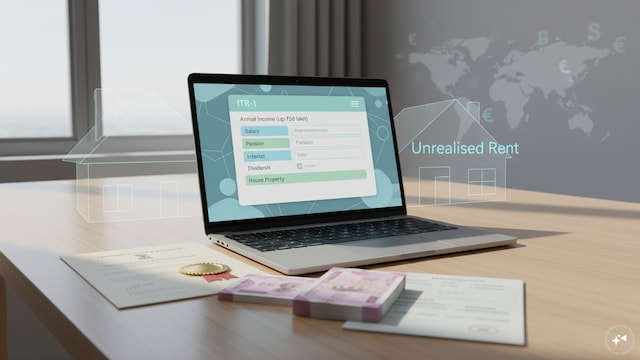
2/6Who is Eligible for ITR-1 form (Sahaj): ITR-1 can be used by resident individuals with annual income up to ₹50 lakh from salary, pension and other sources such as interest or dividends. Eligible taxpayers with long-term capital gains up to ₹1.25 lakh can also use it.The form now allows reporting of two house properties rather than just one and also includes a new field for “unrealised rent.” Additionally, it has removed Section 89A relief field linked to reporting retirement savings from other countries and foreign assets.(Image: AI)
 3/6
3/6Who is eligible for ITR-2 form: ITR-2 applies to individuals and Hindu Undivided Families (HUFs) who are not eligible for ITR-1. They also must not have income sources of “profits and gains from business or profession.” This form is mainly used by company directors or those holding unlisted equity shares. ITR-2 now also includes Section 89A relief field, which was eliminated from ITR-1 and 4.(Image: AI)
 4/6
4/6Who is eligible for ITR 3 form: ITR-3 is for individuals and HUFs having income from salary or pension, property, business or profession, capital gains, and other sources. It is used by taxpayers not eligible for ITR-1, ITR-2, or ITR-4, especially those with business or professional income. The form now includes a field to report foreign assets or retirement income. (Image: AI)
 5/6
5/6Who is eligible for ITR-4 (Sugam): ITR-4 applies to individuals, HUFs, and resident firms (other than LLPs) with presumptive business income under Sections 44AD, 44ADA, or 44AE. It also allows income from salary or pension, house property, interest, and dividends. (Image: AI)
 6/6
6/6Agricultural income up to ₹5,000 and capital gains under Section 112A up to ₹1.25 lakh can also be filed under this form. Like ITR-1, this form also supports reporting income from two house properties and includes “unrealised rent” reporting. Similarly, the field to report income under Section 89A has been removed from this form. (Image: AI)
[ad_2]
Source link

