
[ad_1]
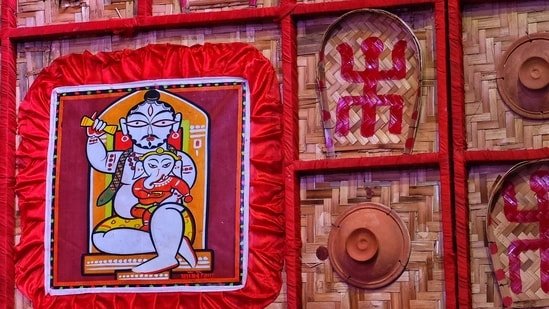
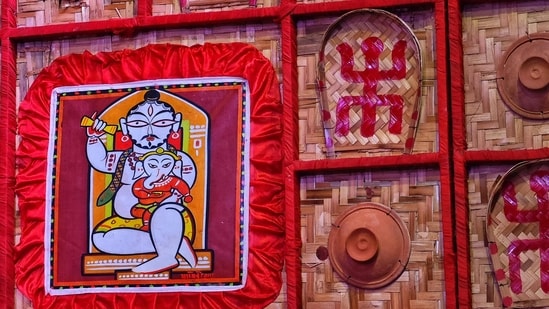
A sacred symbol seen outside homes, temples and puja spaces is once again drawing attention online. Spiritual reels discussing the meaning of the Swastik are gaining views across social media, with many people curious about why this ancient symbol continues to hold such deep importance in Sanatan Dharma.

A recent Instagram video shared by spiritual creator Acharya Pankit Goyal has sparked conversations around the spiritual significance of the Swastik and why it is still commonly used during rituals, festivals and new beginnings.
What does the Swastik symbol mean in Hindu traditions?
In Hinduism, the Swastik is considered one of the most auspicious symbols. The word comes from the Sanskrit term “Swasti,” which is associated with wellbeing, peace, positivity and prosperity.
For devotees, the symbol is believed to represent divine energy, balance and protection. It is commonly drawn at the entrance of homes, on puja thalis, temple walls and even account books during religious ceremonies and festivals.
Many spiritual practitioners believe the symbol is used to invite positive vibrations into a space and remove negative energy.
Why the Swastika is used during important rituals
The Swastik often appears during occasions such as Diwali, Navratri, Griha Pravesh and other pujas connected to new beginnings. Families traditionally draw it using kumkum, turmeric or vermillion before starting something considered sacred or important.
According to spiritual interpretations, the four arms of the symbol are believed to represent harmony and the continuous movement of life. Some also connect it to the four Vedas, four directions and spiritual balance within the universe.
For many devotees, placing the Swastik is less about ritual alone and more about creating a sense of positivity, faith and protection within the home.
Why younger audiences are becoming curious about sacred symbols
The growing online interest around symbols like the Swastik reflects a wider return toward spirituality among younger audiences. From astrology and temple visits to devotional music and Vastu practices, many people today are reconnecting with traditional Hindu practices in a more personal way.
Short-form reels and spiritual creators have also made these topics easier to understand for people who may not have grown up learning their deeper cultural meanings.
Many viewers now engage with spiritual content not only from a religious perspective, but also as a source of emotional comfort and grounding.
More than just a traditional symbol
For many Hindu believers, the Swastik continues to represent peace, blessings and spiritual harmony. While modern conversations around ancient symbols continue to evolve, its significance within Hindu traditions remains deeply rooted in faith and cultural identity.
As spirituality continues to trend online, sacred symbols like the Swastik are becoming part of a larger conversation around reconnecting with tradition, meaning and inner balance in everyday life.
[ad_2]
Source link

