
Last updated: July 2026
Underglow laws by state differ dramatically across the United States. While some states permit neon and LED underglow on vehicles with few restrictions, others ban it outright or impose strict rules on colors, brightness, and usage. This guide provides a complete 50-state breakdown of underglow regulations, helping drivers understand where their customized lighting is street-legal and where it might earn them a ticket.

What Is Vehicle Underglow?
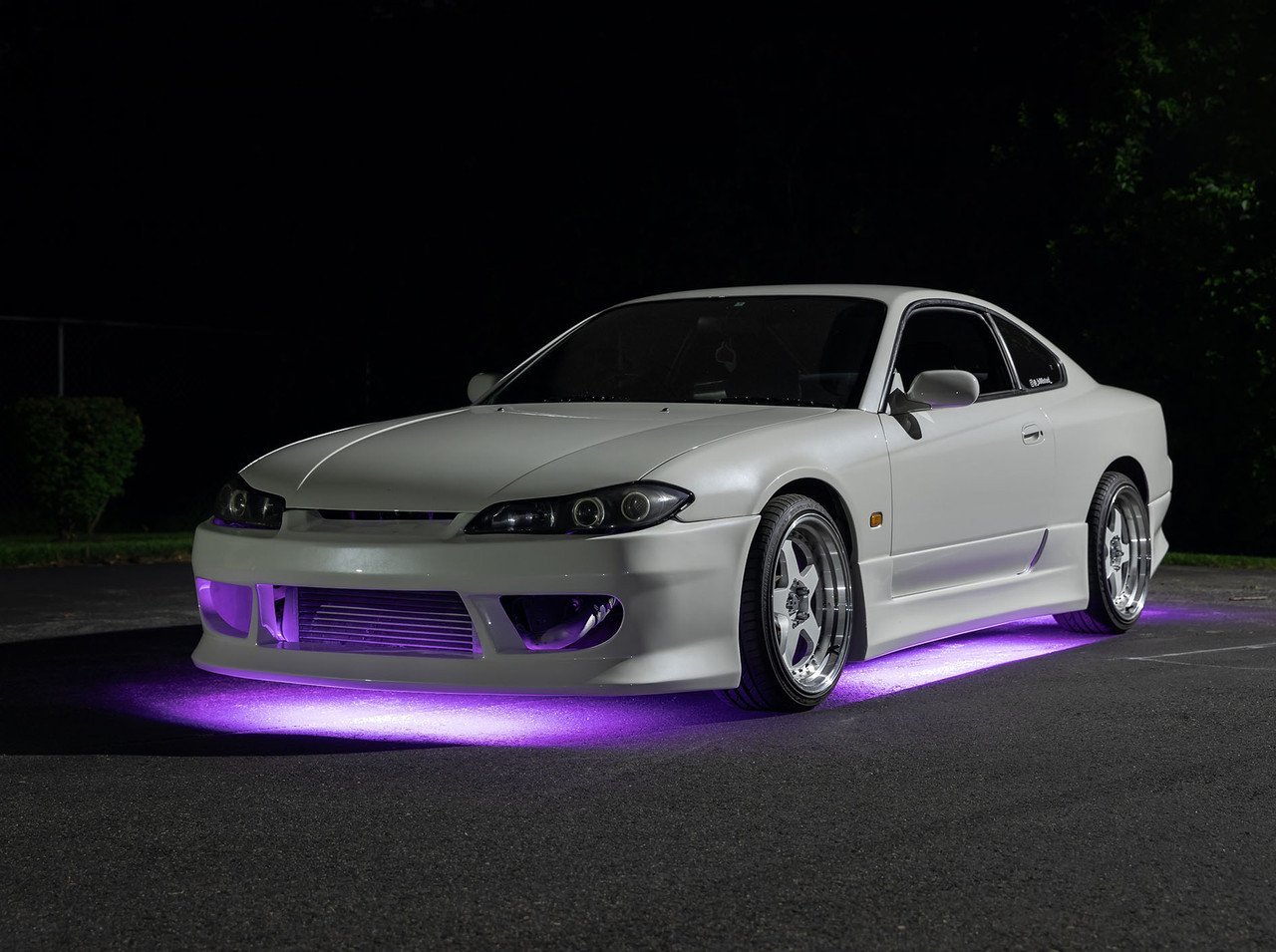
Vehicle underglow refers to neon or LED lighting installed underneath a car, truck, or motorcycle. The lights illuminate the ground beneath the vehicle, creating a glowing halo effect.
Popular in car enthusiast communities, underglow systems come in nearly every color. Drivers typically mount light tubes or LED strips along the chassis, controlled by switches or smartphone apps. The aesthetic traces back to street racing culture but has expanded into mainstream automotive customization.
Despite its popularity, underglow occupies a legal gray area in many jurisdictions. State legislatures have taken wildly different approaches to regulating these aftermarket modifications.
Why Do States Regulate Underglow Lighting?
States restrict underglow primarily to prevent driver confusion and maintain road safety. Law enforcement agencies argue that certain colors, especially red and blue, can be mistaken for emergency vehicles.
Amber and white lights also raise concerns. They may resemble turn signals, headlights, or other required safety equipment, creating dangerous misunderstandings on the road.
Some states worry about distraction. Flashing or overly bright underglow can divert attention from the road, especially at night. Other jurisdictions simply classify underglow as unnecessary modification, falling outside their definitions of legal vehicle equipment.
Underglow Laws by State: Complete 50-State Table
The following table summarizes underglow regulations across all 50 states. Laws change frequently, so drivers should verify current statutes before installation. When in doubt, consult your state’s vehicle code or a local attorney.
| State | Legal Status | Color Restrictions | Key Notes |
|---|---|---|---|
| Alabama | Legal | No red, blue | Lights must not flash |
| Alaska | Legal | No red, blue | Vehicle must be parked to use |
| Arizona | Legal | No restrictions | Not visible from front or rear preferred |
| Arkansas | Legal | No red, blue | Must not flash or rotate |
| California | Restricted | No red, amber visible from front | Lights must not be visible while driving |
| Colorado | Legal | No red, blue | Must not impair other drivers |
| Connecticut | Restricted | No red, blue, amber | Generally prohibited while driving |
| Delaware | Legal | No red, blue | Static lighting only |
| Florida | Legal | No red, blue | Lights must not flash |
| Georgia | Restricted | No red, blue, amber visible from front | Enforcement varies by county |
| Hawaii | Legal | No red, blue | Must be stationary, not flashing |
| Idaho | Legal | No red, blue | Cannot mimic emergency vehicles |
| Illinois | Restricted | Generally prohibited | Limited exceptions for shows |
| Indiana | Legal | No red, blue | White underglow often allowed |
| Iowa | Legal | No red, blue, amber from front | Lights must be steady |
| Kansas | Legal | No red front, blue restricted | Local ordinances may vary |
| Kentucky | Legal | No red, blue | Must not flash or rotate |
| Louisiana | Legal | No red, blue | Enforcement discretionary |
| Maine | Legal | No blue | Red may be restricted |
| Maryland | Legal | No red, blue | Lights must not distract |
| Massachusetts | Restricted | No red, blue, flashing lights | Underglow generally discouraged |
| Michigan | Restricted | Generally prohibited | Some colors allowed when parked |
| Minnesota | Legal | No red, blue | Must be steady, non-flashing |
| Mississippi | Legal | No red, blue | Cannot resemble emergency lights |
| Missouri | Legal | No red, blue | Local laws may be stricter |
| Montana | Legal | No red, blue | Must not flash or strobe |
| Nebraska | Legal | No red, blue | Lights must be stationary |
| Nevada | Legal | No restrictions | Very permissive laws |
| New Hampshire | Legal | No red, blue | Must not impair vision |
| New Jersey | Restricted | Generally prohibited | Strict enforcement reported |
| New Mexico | Legal | No red, blue | Cannot flash or strobe |
| New York | Restricted | No underglow visible while driving | Show use only when parked |
| North Carolina | Legal | No red, blue, amber from front | Must be steady lighting |
| North Dakota | Legal | No red, blue | Local ordinances apply |
| Ohio | Legal | No red, blue | Must not flash or move |
| Oklahoma | Legal | No red, blue from front | Enforcement inconsistent |
| Oregon | Legal | No red, blue | Must be stationary |
| Pennsylvania | Restricted | Generally prohibited | Some exceptions for car shows |
| Rhode Island | Legal | No red, blue | Must not flash |
| South Carolina | Legal | No red, blue, amber from front | Cannot mimic emergency vehicles |
| South Dakota | Legal | No red, blue | Steady lights only |
| Tennessee | Legal | No red, blue, amber visible from front | Lights must be steady |
| Texas | Legal | No red, blue from front | Very popular, widely used |
| Utah | Legal | No red, blue | Must not flash or rotate |
| Vermont | Restricted | Generally prohibited | Use when parked only |
| Virginia | Restricted | Generally prohibited | Strict vehicle equipment laws |
| Washington | Legal | No red, blue, amber from front | Must not distract drivers |
| West Virginia | Legal | No red, blue | Lights must be steady |
| Wisconsin | Legal | No red, blue | Cannot flash or strobe |
| Wyoming | Legal | No red, blue | Must not impair other drivers |
Which Colors Are Usually Prohibited?
Red and blue are banned in nearly every state. These colors are reserved for emergency vehicles like police cars, fire trucks, and ambulances. Using them can result in serious penalties, including impersonation charges.
Amber and yellow also face restrictions in many states, particularly when visible from the front. These colors resemble turn signals and hazard lights, creating confusion for other drivers.
White underglow occupies a middle ground. Some states allow it, while others restrict it because it can be mistaken for headlights. Green, purple, and pink typically face fewer restrictions, though flashing versions of any color are broadly prohibited.
What Are the Penalties for Illegal Underglow?
Penalties vary widely. In most states, illegal underglow results in a fix-it ticket. Officers issue a citation requiring you to remove or disable the lights and show proof of compliance.
Fines typically range from $50 to $500 for first offenses. Repeat violations or underglow that mimics emergency vehicles can trigger steeper fines, points on your license, or even misdemeanor charges.
In states like Virginia and New Jersey, where underglow is broadly restricted, enforcement tends to be stricter. Texas and Nevada, by contrast, have more permissive laws and lighter penalties. Always check your local statutes and recent case law, as enforcement priorities shift over time.
Do Local Ordinances Override State Law?
Yes, cities and counties can impose stricter rules than state law. A state may allow underglow, but your city might ban it entirely or limit usage to private property.
Urban areas with high traffic volumes often adopt tougher ordinances. Los Angeles, for example, enforces California’s already strict underglow laws more aggressively than rural counties.
Before installing underglow, research both state statutes and local municipal codes. Contact your city attorney’s office or local DMV if you need clarification.
How Can You Stay Compliant?
Choose colors carefully. Stick to green, purple, pink, or white if your state allows them. Avoid red, blue, and amber entirely unless you have written confirmation they are legal in your jurisdiction.
Install a kill switch. This allows you to turn off underglow instantly if you are pulled over or entering a stricter jurisdiction. Many kits include wireless controls for easy management.
Keep documentation. Save receipts, installation manuals, and any correspondence with law enforcement or the DMV. If questioned, you can demonstrate good-faith compliance efforts. Consider consulting a local traffic attorney before investing in expensive underglow systems.
The Bottom Line on Underglow Laws by State
Underglow laws by state reflect a patchwork of regulations shaped by safety concerns, enforcement priorities, and cultural attitudes toward vehicle customization. While most states permit underglow with color and brightness restrictions, a handful ban it outright or allow it only when parked. Drivers who understand their state’s rules, avoid emergency colors, and install compliant systems can enjoy this popular modification without legal trouble.
Frequently Asked Questions
Is underglow illegal in all states?
No. Most states allow underglow with restrictions. Only a handful, including Virginia and parts of Illinois, broadly prohibit it. The majority permit underglow as long as it avoids red, blue, and flashing patterns. Always verify your state’s current vehicle code.
Can I use red underglow if it is on the rear only?
Typically no. Most states ban red underglow entirely because it can be confused with brake lights or emergency vehicles, regardless of placement. A few states may allow red on the rear when parked, but enforcement varies widely. Check local statutes carefully.
Will underglow fail a vehicle inspection?
Possibly. States with strict vehicle inspection programs may flag underglow as non-compliant equipment. In states where underglow is restricted or must be off while driving, inspectors may require removal or disabling. Inspection standards differ by state and change periodically. [VERIFY current inspection rules in your state]
Are there federal laws governing underglow?
No. The federal government does not regulate underglow lighting. Vehicle lighting standards fall under state jurisdiction. Federal motor vehicle safety standards address required equipment like headlights and brake lights but do not cover aftermarket decorative lighting. State and local laws control underglow legality.
Can I drive across state lines with underglow installed?
Yes, but you must comply with each state’s laws as you travel. A system legal in Texas may violate New York law. Use a kill switch to disable underglow when entering restrictive states. Failure to comply can result in tickets, fines, or even impoundment in strict jurisdictions.

