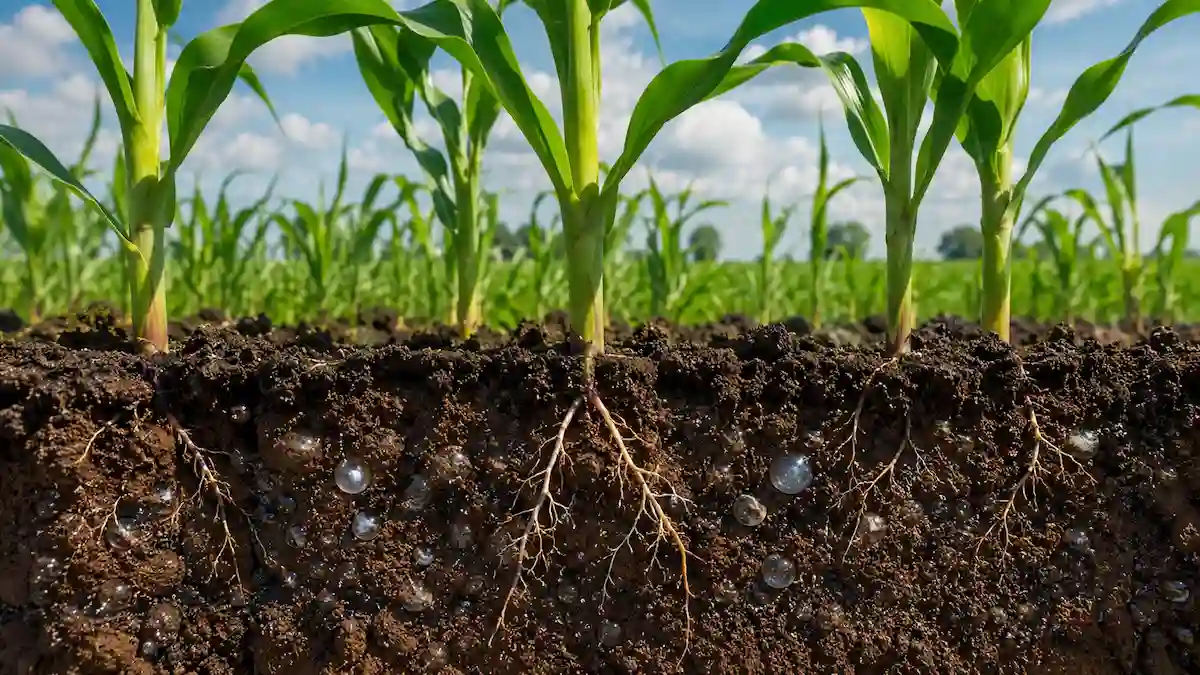

Attapulgite’s Agricultural Applications have gained attention alongside the growing use of attapulgite clay as a valuable soil amendment for improving agricultural performance. Soil quality remains one of the most important factors influencing crop productivity, affecting everything from water availability to nutrient uptake and root development. Farmers have to rely on soil amendments to meet rising production demands while managing resources more efficiently.
Among these solutions, attapulgite stands out for its unique physical and chemical characteristics. Its ability to retain moisture and improve soil structure creates conditions that support healthier plant growth. As a result, farmers use attapulgite to strengthen soil performance and support long-term productivity.


Why Soil Performance Is Important in Modern Agriculture
Modern agriculture has to increase productivity while managing rising input costs and limited resources. Fertilizer expenses remain a major concern, with a recent survey finding that up to 78% of farmers cannot afford all the fertilizer inputs needed for the 2026 crop year. Because of this, many growers are focusing on improving water-use efficiency and soil resilience to maximize the value of existing inputs.
At the same time, common soil challenges, like compaction and moisture stress, continue to limit productivity. These conditions can restrict root growth and weaken the soil’s ability to retain nutrients. To address these issues, farmers turn to attapulgite for its adsorption and soil-conditioning properties that create a more stable environment for crop growth.
The Science Behind Attapulgite’s Soil Benefits
The agricultural value of attapulgite stems from physical, chemical and biological properties that influence how soil functions. Understanding these mechanisms explains why the mineral can improve water management and overall soil health across farming systems.
Supporting Beneficial Soil Microorganisms
A healthy soil microbiome is vital to maintaining productive agricultural systems. For example, beneficial fungi and bacteria decompose organic matter and support the biological processes that sustain soil fertility. These microorganisms also form important relationships with plant roots, so that plants access a steady nutrient supply while resisting pests and diseases.
Microbial activity depends heavily on soil conditions. Improved moisture retention and a more stable root-zone environment create favorable conditions for beneficial microorganisms to thrive. By supporting a healthier habitat around plant roots, attapulgite can encourage active microbial communities that contribute to long-term soil health.
Moisture Retention and Water Management
Attapulgite is known for its ability to absorb and retain significant amounts of water within its porous structure. Its unique mineral composition and high surface area allow it to capture moisture that might otherwise drain beyond the root zone. Rather than releasing stored moisture immediately, attapulgite clay gradually makes water available as the surrounding soil conditions dry.

These water-management benefits are particularly valuable in regions affected by water scarcity or inconsistent rainfall. Attapulgite maximizes available water resources while reducing irrigation frequency and water loss through drainage. This improved moisture availability supports healthier crop development and can help crops better withstand short-term drought conditions.
To improve irrigation efficiency alongside moisture-retaining soil amendments, growers can use our Irrigation Water Requirement Calculator to estimate crop water needs more accurately.
Enhanced Nutrient Retention
Nutrient leaching occurs when water carries dissolved nutrients deeper into the soil profile, reducing the nutrients available for crop growth. This process often forces farmers to apply additional fertilizer to maintain productivity while also creating environmental concerns through groundwater contamination.
Attapulgite addresses this challenge through its adsorption and ion exchange capabilities, which allow it to be a stable reservoir of nutrients. By retaining nutrients closer to the root zone, attapulgite supports more efficient nutrient absorption and utilization by plants. Thus, nutrients remain available for longer periods, reducing fertilizer losses throughout the growing season.
Farmers can further optimize nutrient management by using our Fertilizer Calculator to estimate application rates based on crop and soil requirements.

Matching Attapulgite Solutions to Common Soil Challenges
Different soil conditions require different management approaches, as soil texture, climate and cropping practices can significantly influence field performance. For example, many agricultural operations face drought stress and inconsistent moisture distribution, which can limit water availability and reduce nutrient efficiency. These issues often lead to uneven crop development and lower productivity if left unaddressed.
Attapulgite’s soil-conditioning properties allow it to address multiple soil challenges simultaneously. Its ability to retain moisture helps support crops during dry periods, while its nutrient-holding capacity reduces losses caused by leaching. Before selecting any soil amendment, farmers should identify their primary soil limitations through field observations to ensure the chosen solution aligns with their specific agronomic needs.
Agricultural Applications of Attapulgite Clay
The properties that make attapulgite beneficial for soil health also support various agricultural applications. From improving field conditions to supporting livestock management, the mineral serves multiple functions across modern farming operations.
Seed Coatings and Treatments
Attapulgite clay is common in seed treatment formulations as a carrier and binding agent for crop protection materials. Its hydrophilic properties and inertness to pH variations enable it to develop strong adhesion and cohesion. These characteristics allow the material to bind effectively to seed surfaces while holding treatment components together.
This coating delivers nutrients or crop protection products directly during early plant development. By improving the attachment and distribution of treatment materials, attapulgite supports more consistent application across seed lots and minimizes product loss during handling and transportation. The result is improved seed flowability and more reliable treatment performance in the field.
Soil Conditioner and Amendment
Attapulgite is commonly incorporated into soil before planting or during field preparation, which allows it to become evenly distributed throughout the root zone. Farmers may apply it directly to fields and mix it into the soil through tillage or other cultivation practices. This approach ensures the material can interact effectively with soil particles, water and nutrients throughout the growing season.

Once incorporated, attapulgite clay can improve water-holding capacity and maintain more consistent soil moisture levels. Its unique structure also contributes to improved soil condition and stability while enhancing the soil’s ability to retain nutrients within the root zone. These benefits are especially valuable in sandy soils, which often struggle to hold water and nutrients, as well as degraded soils that have experienced declines in structure, fertility or organic matter.
Carrier for Fertilizers
Fertilizer manufacturers often use attapulgite as a carrier material. These characteristics distribute nutrients more evenly throughout fertilizer formulations while reducing the likelihood of nutrient losses during storage, handling and application. Its compatibility with various fertilizer ingredients also makes it a versatile component in agricultural nutrient management products.
Research has shown that attapulgite-modified organic fertilizer can effectively retain soil nutrients and promote microbial activity. Improved nutrient distribution can further increase fertilizer efficiency by delivering a more consistent nutrient supply to plants throughout the growing season.
Factors to Consider Before Using Attapulgite
While attapulgite offers numerous agricultural benefits, its effectiveness depends on how well it matches a farm’s specific conditions and management goals. Evaluating key factors before application can help farmers maximize results and make more informed soil improvement decisions.
- Start with soil testing: Analyze soil texture, nutrient levels and organic matter content to identify the primary limitations affecting crop performance.
- Consider soil type: Sandy and nutrient-poor soils often experience greater benefits from improved moisture and nutrient retention.
- Evaluate climate conditions: Rainfall patterns and irrigation availability can influence the value of attapulgite’s water-holding capabilities.
- Assess crop requirements: Different crops have varying moisture and nutrient demands, which makes it important to align soil amendments with production objectives.
- Determine appropriate application rates: Applying too little may limit benefits, while excessive application can increase costs without delivering proportional improvements.
Building Healthier Soil Through Science
Soil health remains one of the most important drivers of agricultural success. Through its ability to improve moisture management, attapulgite clay offers practical benefits across commercial farming and hobby farming operations. As growers look to strengthen productivity while supporting sustainable land stewardship, attapulgite deserves consideration as part of a broader strategy for improving long-term soil performance.

