
[ad_1]

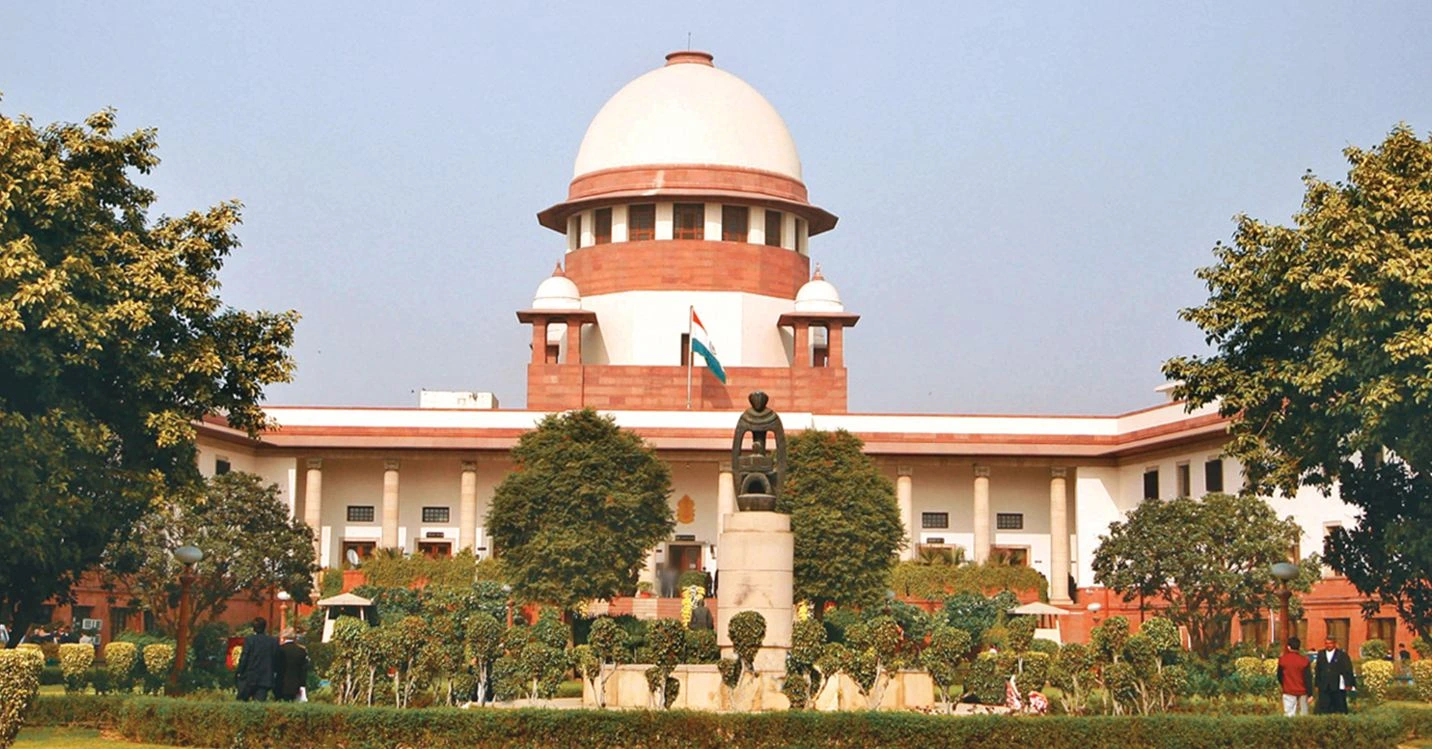
The Supreme Court has strongly criticised a lawyer for making abusive and scandalous remarks against judges on social media, noting that the statements amounted to an abuse of the legal process and undermined the dignity of the judiciary.
The Bench of Chief Justice of India Surya Kant and Justice Joymalya Bagchi made these observations on Monday, while hearing a batch of petitions filed by lawyers challenging their disqualification from contesting elections to the Madhya Pradesh State Bar Council after failing to meet revised eligibility criteria.
During the hearing, the Apex Court noted that one of the petitioners had posted derogatory comments targeting a committee constituted by the Court to oversee Bar Council elections, headed by former Supreme Court judge Justice Sudhanshu Dhulia.
Expressing serious displeasure over the conduct of the lawyer, the Bench observed that the petitioner had engaged in obnoxious campaigning by making false and baseless allegations. A litigant who engaged in such conduct was not entitled to equitable relief under Article 32 jurisdiction, it noted.
The Court further indicated that it may initiate proceedings for criminal contempt of court against the concerned lawyer, noting that the allegations were prima facie false, baseless, and intended to scandalise the institution.
The Apex Court warned that it would not allow the misuse of the judicial process by members of the legal profession. It further questioned why immediate action, including arrest, should not be considered in view of the offensive statements.
Senior Advocate Meenakshi Arora, appearing for the petitioners, clarified that the lawyer in question had been removed from the array of parties and was no longer a petitioner. She submitted that the remaining petitioners did not endorse or support the statements made by him.
Advocate Siddharth R Gupta contended that other petitioners should not suffer adverse consequences for the actions of one individual. He further argued that there could be no vicarious liability and that all should not be treated alike.
The Court, however, dismissed all the petitions and refused to relax the eligibility criteria for the elections, observing that similar eligibility restrictions had been enforced in Bar Council elections across various States. No exceptional grounds were made out to warrant judicial interference in the Madhya Pradesh elections, it added.
Terming the petitions as non-meritorious and ‘luxury litigation,’ the Bench cautioned against the misuse of judicial forums by members of the Bar.
[ad_2]
Source link

