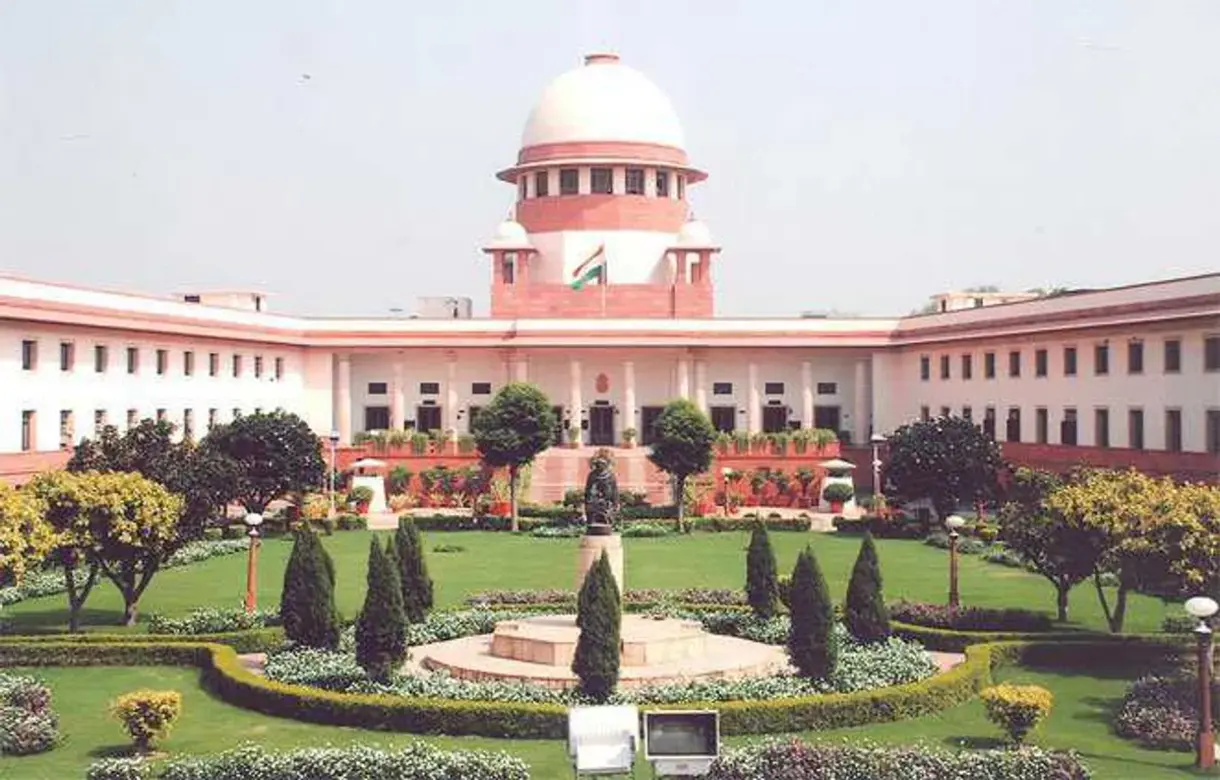


The Supreme Court has directed the immediate freezing of the bank accounts of Parsvnath Developers Limited, Parsvnath Hessa Developers Private Limited, and the personal bank accounts of their directors and senior officials over the continued failure of the Haryana-based real estate developer to comply with orders passed by the Haryana Real Estate Regulatory Authority (HRERA).
The Bench of Chief Justice of India (CJI) Surya Kant, Justice Joymalya Bagchi and Justice V Mohana also issued fresh bailable warrants against the two companies and their directors on Monday, directing them to appear before it on July 17. The Court made it clear that failure to comply with its directions or to appear on the next date of hearing would invite more stringent coercive measures, including the issuance of non-bailable warrants.
The directions were issued on a batch of writ petitions filed by Rita Tikku and other homebuyers of the Parsvnath Exotica residential project in Sector 53, Gurugram, alleging that despite paying the entire sale consideration nearly two decades ago, they had neither received possession of their flats nor the compensation awarded by HRERA.
The Court noted that the petitioners, who are now senior citizens, were allotted residential units in 2006 and executed Builder Buyer Agreements in early 2007. The total sale consideration for the flats was approximately Rs 1.78 crore, with possession contractually promised within 36 months, making it due in February 2013. Despite paying the entire consideration, the homebuyers found that construction remained substantially incomplete even after repeated site visits.
The Bench recorded that the petitioners approached HRERA in 2021, which passed orders directing the developer to compensate the allottees. As the developer did not challenge those orders, they attained finality and became legally enforceable. However, neither possession of the flats was delivered nor was the compensation paid. The Court observed that even the execution proceedings initiated before the regulatory authority had failed to secure compliance despite repeated show-cause notices issued to the company’s directors.
Taking note of the prolonged non-compliance, the Supreme Court observed that the statutory mechanism created under the Real Estate (Regulation and Development) Act, 2016, would lose its effectiveness if orders passed by regulatory authorities remained incapable of enforcement.
The Bench held, prima facie, that the present case raised issues extending beyond an individual dispute and highlighted systemic deficiencies in the implementation of the RERA framework, particularly in securing effective enforcement of final adjudicatory orders passed in favour of homebuyers.
The Court expressed serious concern over the complete failure to execute the coercive measures already issued against the builder. It noted that when recovery proceedings yielded no results, HRERA had issued bailable warrants, yet even the court bailiff was allegedly prevented from entering the company’s premises. The Bench further questioned why earlier non-bailable warrants issued by HRERA had not been executed and observed that the continued inaction reflected serious lapses in the enforcement machinery.
The Court also took exception to the conduct of the Haryana authorities and recorded its prima facie satisfaction that District Collectors and local police authorities had either failed to discharge their statutory obligations or had colluded with the builder by not ensuring implementation of HRERA’s directions. It observed that the case exposed broader concerns regarding the enforcement of regulatory orders under the RERA regime and the inability of the State machinery to protect the interests of homebuyers.
To prevent further prejudice to the allottees, the Bench restrained the creation of any third-party rights in respect of the Parsvnath Exotica project. It directed that the bank accounts of Parsvnath Developers Ltd., Parsvnath Hessa Developers Pvt. Ltd., and the personal accounts of their directors and officials remain frozen until further orders.
The Supreme Court further directed the Chief Secretary of Haryana, the Director General of Police, all District Collectors, all Police Commissioners in the State, and all concerned banks to ensure immediate compliance with its directions. It also emphasised the need for the State administration to be more responsive to the grievances of homebuyers and to effectively enforce orders passed under the Real Estate (Regulation and Development) Act.
During the proceedings, Senior Advocate Priya Hingorani, appearing for the petitioners, informed the Court that one of the homebuyers was a cancer survivor and submitted that the builder was presently operating from Chandigarh.
The Bench noted that the petitioners had been compelled to move from one forum to another for years despite securing favourable regulatory orders, observing that they had been left running from pillar to post while the developer had brazenly disregarded binding directions issued by HRERA.
The Court also took note of the fact that the Punjab and Haryana High Court had, in April 2025, set aside a Haryana Government notification empowering HRERA to issue recovery certificates, and that the validity of the High Court’s judgment is presently under challenge before the Supreme Court. The matter has been listed for further hearing on July 17.

