
Introduction
The Artificial Intelligence has made it possible to create fake videos and audio that exactly look and sound like very real, even though they are completely false and this technology we know as deepfakes. This Deepfakes can totally change a person’s face or create very realistic fake voice, video and place it into content that never actually happened in real.
In India, where most of the people are use digital platforms and AI tools, there has been increased in deepfake-related crimes, including fraud, fake political propaganda, financial scams, non-consensual explicit videos and cyberbullying. The victims’ who were affected by deepfakes crimes suffer from serious harm, not only to their social reputation but also to their emotions well-being and their trust. The impact is not just embarrassing, it can lead to blackmail, cause mental trauma, and it also violation their personal privacy.

In India, does not have a separate law to deal with deepfake crimes. However, victims are still protected under existing laws, like cyber laws, criminal laws, data protection rules as well constitutional rights. India needs clearer laws and stronger accountability for online platforms. At the same time, public need better awareness so that people can recognize and report this kind of deepfake crimes.
Understanding The Concept Of Deepfakes
Deepfakes are a type of artificial media which is created using of AI techniques such as deep learning, machine learning algorithms, and neural networks, especially Generative Adversarial Networks (GANs).
These deepfakes can create fabricated audio, video clips, as well images. This technology can also copy a person’s facial expression, movements, voice patterns to generate new content that closely imitates that individual. Unlike normal photo editing, deepfakes look very real, which making it difficult for the people to distinguish between fake and real.
This AI-generated deepfakes are used in many harmful ways, such as creating fake celebrity endorsements, influencing elections campaigns, creating fake videos, nor committing financial fraud by exactly copying someone’s voice. Therefore, the law must need to balance with new technology as well need to protect people’s identity, privacy, and dignity.
Key Issue and Challenges Faced by Victims of Deepfake
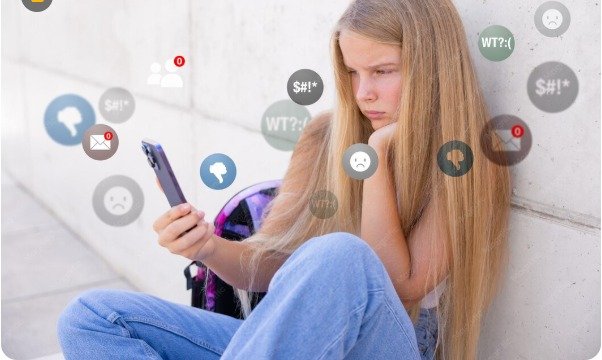
The victims of deepfakes crime facing so many challenges in their personal as well in their social lives. The fake video clips, images, nor duplicate voices can be created as well shared online platforms without their consent, these things, leading to defamation, harassment, and violations of privacy. This kind of content share quickly on social media, which can be damage a person’s reputation and creating emotional trauma for victims.
Some victims are also facing blackmail, stalking, or financial fraud, especially when deepfakes are used to impersonate them for illegal purposes. This kind of cases investigation may be difficult to catch the people who make these deepfakes because they can stay anonymous online or use encrypted several apps. Along with that, lack of public awareness about deepfakes crimes, many of people are don’t know how to identify or report against it, which makes the problem worse. As a result, the victims are feeling unsafe as well helpless.
Legal Framework for Deepfakes Crimes in India
Currently, India has not enacted a separate “Deepfake Act,” but various existing laws can be used depending on the nature of the harm caused. Therefore, Information Technology Act, 2000, is the primary statute which dealing with the cyber offences in India. In this IT Act there are some provisions which can be applied indirectly to deepfake crimes. There are few sections included:
- Section 66E: which is deal with violations of privacy and make it punishable to capture or transmit of a person’s private images without consent.
- Along with that, under Sections 67 and 67A: it covers the criminalize the publication and transmission of obscene or sexually explicit material in electronic form.
- Lastly, under Section 66D: it deals with cheating by impersonation through using computer resources, which can apply when deepfake audio or video is used for scam or blackmail.
The Bharatiya Nyaya Sanhita (BNS), 2023, which has been replaced by the Indian Penal Code (IPC), includes some provisions that can be applied for the deepfake-related crimes. It provides remedies for defamation, identity theft, and harassment. There are some sections under this Act that are:
- For example, under Section 319: cover cheating by impersonation, which applies when deepfakes are used to deceive or threaten someone.
- Section 336 deal with the forgery and defamation, it ensuring that individuals are protected from fraud activity.
- And Sections 354C and 354D it deals with the voyeurism and stalking.
Additionally, the Digital Personal Data Protection (DPDP) Act, 2023, it regulates the personal data is collected and used. Since deepfakes are often used to create someone’s facial images or biometric data, or voice samples, this misusing it can lead to penalties, and victims can claim for compensation.
Under Article 21 of the Indian Constitution, which guarantees that everyone has the right to life and personal liberty, and it has been interpreted to include the right to privacy and dignity. Using someone’s likeness without consent through deepfakes technology it directly violates this fundamental right.
Judicial Interpretation of Deepsfake
Indian courts have already treated digital image manipulation as a serious offence. There are some cases related to these deepfake crimes:
- State of West Bengal v. Animesh Boxi (2018): In this case, the Hon’ble Calcutta High Court dealt with the accused’s act of morphing a woman’s photograph and circulating it in sexually explicit form.
The Court held changing a woman’s photo into obscene material and sharing it violates her privacy and dignity, and this is punishable under Sections 66E and 67A of the Information Technology Act, 2000. Importantly, the judgment acknowledged that even if the technology is new, the law still can be applied to punish if it misuses.
2. Shreya Singhal v. Union of India (2015): Further, in the Hon’ble Supreme Court said that in the case of Shreya Singhal v. Union of India, (2015), while striking down Section 66A of the IT Act, clarified the scope of intermediary liability under Section 79. The Court held that social-media platforms are required to remove unlawful online content once they are receiving properly informed through the court orders or from the government authorities.
This allows victims of deepfakes to seek quick takedown of manipulated content, thereby these decisions show that courts already interpret cyber and criminal laws to cover AI-based impersonation.
Critical Analysis and Observations
The analysis shows that even though India does not yet have a specific law to deal with deepfakes crimes, but still existing laws can be used to protect victims. Through judicial interpretation of the IT Act, rules for social-media platforms, and constitutional rights to deal with the misuse of deepfake technology.
As a result, victims are no longer feel helpless just because the technology is new. Although, the current legal framework in India is sufficiently adaptable to combat AI-enabled impersonation and protect individual dignity and privacy, but having a separate law on deepfakes would helping in make things clearer and strong enforcement.
Remedies for Victims
Victims of deepfake impersonation can seek both criminal and civil remedies. In Criminally, complaint can be filed under the Information Technology Act, 2000 Act as well BNS for offences including defamation, privacy violations, or cheating by impersonation. Therefore, police can investigate through digital tracing methods.
In civil remedies include filing a defamation suits, nor seeking an injunction to prevent further sharing, and the Hon’ble Courts may also grant protection under the “Right to be Forgotten.” Ordering the remove of harmful online content.
Lastly, under the Digital Personal Data Protection Act, (DPDP), 2023, the victims can claim compensation for misuse of biometric data, and online platforms are legally required to remove such harmful content, when a complaint is raised, and if they failure to remove such content on online platforms, then they can be held legally liable for it.
Conclusion
Deepfakes are a modern legal challenge where artificial intelligence is using to misused for threaten people’s identity and dignity. While, in India doesn’t have any separate law about deepfake, but existing laws already provide some protection to victims. Under the Information Technology Act, (IT), 2000, the Bharatiya Nyaya Sanhita (BNS), 2023, the Digital Personal Data Protection Act, 2023, and the constitutional “rights to privacy”, victims can take actions for punishment against the offenders, remove fake content, and seek compensation for any damages. As AI technology continues to evolve, India’s legal system will likely develop more specific rules, but for now, these laws remain the key remedies for protect people’s personal identity in the digital age.

