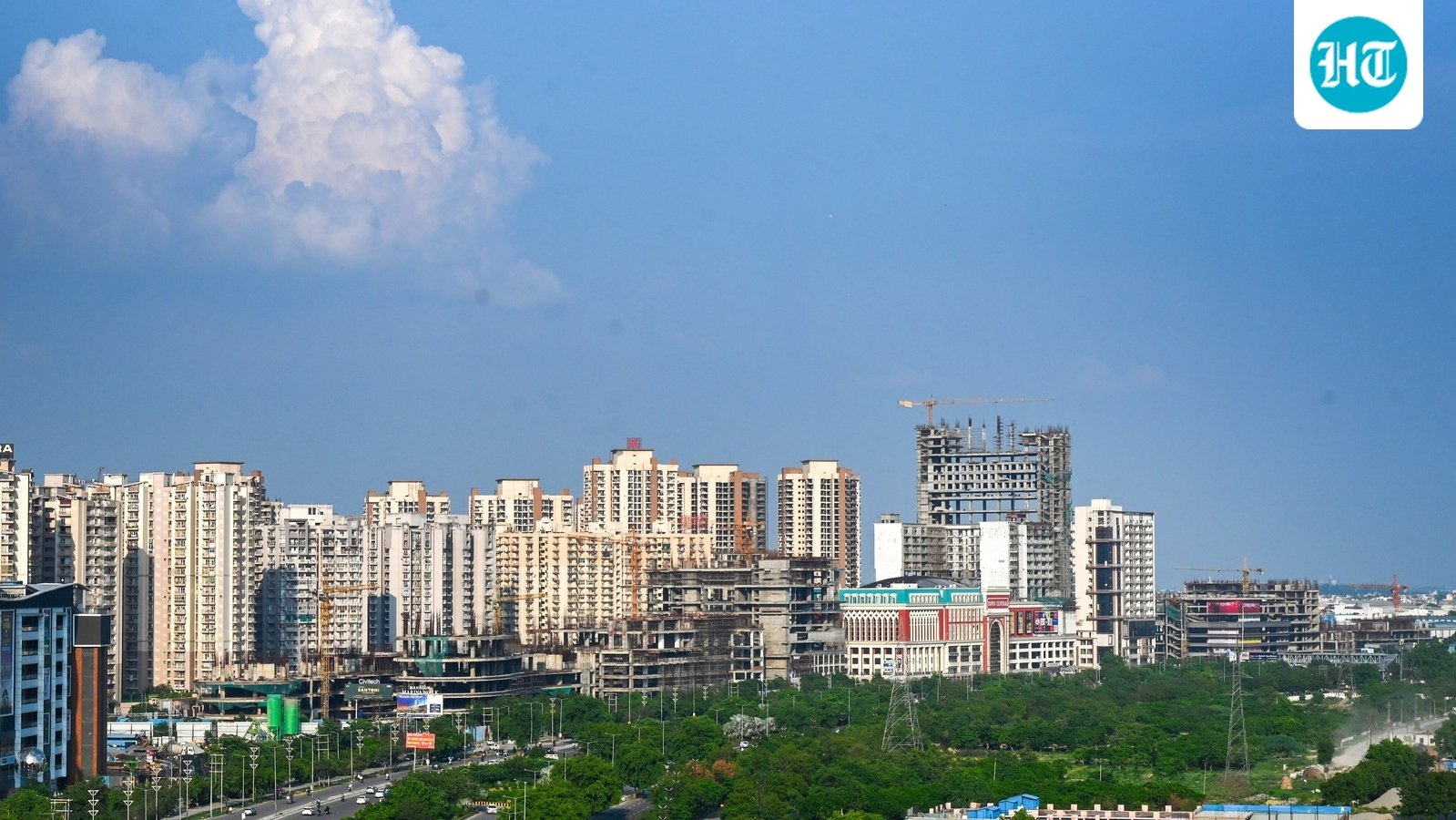

Move over, Bengaluru and Hyderabad. India’s property growth story has a new address. Powered by the Noida International Airport effect, mega infrastructure projects, expanding expressways, and a wave of Global Capability Centres (GCCs), Noida and Gurugram have emerged as the country’s biggest winners in capital appreciation.
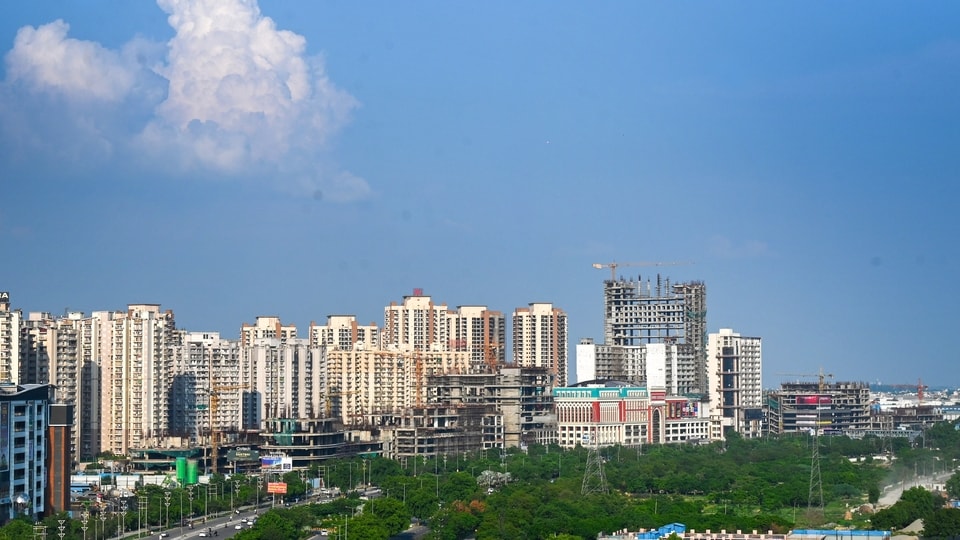
Over the past seven years, home prices in Noida have jumped 125%, while Gurugram has recorded a 117% rise, outpacing every other major residential market. Meanwhile, Bengaluru continues to dominate on rental returns, with sustained IT hiring, GCC expansion and robust housing demand keeping rental yields among the highest in the country.

For years, Bengaluru and Hyderabad were seen as the engines of India’s housing boom. But over the past seven years, an unlikely contender has stolen the spotlight. Noida, long viewed as Gurugram’s less glamorous neighbour, has emerged as the country’s top performer in capital appreciation, even outpacing Gurugram, according to a report by Anarock Research.
Backed by rapid infrastructure development, most notably the upcoming Noida International Airport, improved connectivity, strong job creation and rising demand from Global Capability Centres (GCCs), home prices in Noida have more than doubled, overtaking Bengaluru on a per-square-foot basis and reshaping India’s residential property rankings.
According to an Anarock Research report, average residential prices in Noida surged 125%, from ₹4,795 per sq. ft. in 2019 to ₹10,780 per sq. ft. in Q2 2026. Gurugram followed closely with 117% appreciation, with prices rising from ₹6,150 per sq. ft. to ₹13,350 per sq. ft. during the same period. Both NCR markets now command higher average residential prices than Bengaluru, where values increased 90% to ₹9,450 per sq. ft.
The report attributes the outperformance primarily to large-scale infrastructure investments, improved connectivity, rapid employment generation and sustained GCC-led demand. While a steady pipeline of premium and luxury housing has also supported price growth, it has not been the primary catalyst.
Mumbai strikes the balance
Among India’s major housing markets, Mumbai stands out for delivering both robust capital appreciation and healthy rental yields.
Average residential prices in the city climbed nearly 64%, from ₹17,845 per sq. ft. in 2019 to ₹29,270 per sq. ft. in Q2 2026, while rental yields improved to 4.3%.
According to the report, Mumbai’s performance reflects its status as a mature housing market characterised by high employment density, sustained inward migration and limited housing supply, a combination that continues to support both price appreciation and rental demand.
“Mumbai is a mature market with high employment density and inward migration, and also constrained housing supply. These factors helped it do well on both price growth and yields. The trend is likely to remain sustainable if these structural drivers continue,” the report said.
Bengaluru shines on rental returns
While Bengaluru and Hyderabad trailed Noida and Gurugram in capital appreciation, both cities emerged as leaders in rental income growth.
Bengaluru recorded the highest rental yield among major Indian cities at 4.6%, up from 3.6% in 2019, a gain of 100 basis points. Hyderabad’s rental yield also improved to 3.6%.
“Tech corridors in Bengaluru (4.6%), Pune (3.9%) and Hyderabad (3.6%) have reported among the highest rental yields, driven by sustained IT/GCC demand, inward migration and limited ready housing stock,” the report noted.
Meanwhile, Noida’s rental yield improved from 3.2% to 3.9%, while Gurugram’s increased from 3.5% to 4.3%, enabling both cities to deliver the rare combination of strong capital appreciation and rising rental returns.
Delhi and Mumbai, despite being mature residential markets, also witnessed improving rental economics. Delhi recorded 47% capital appreciation over the period, while rental yields increased from 2.2% to 3.2%.
Why Bengaluru lagged in price appreciation
Despite strong housing demand, Bengaluru’s capital appreciation has been relatively moderate compared to Noida and Gurugram.
According to the report, the city continues to benefit from steady IT- and GCC-led demand, but a significant share of new housing supply has shifted to outer growth corridors such as Hebbal, Airport Road and Devanahalli, where entry prices are lower, and appreciation tends to be more gradual.
The report also points to traffic congestion, limited availability of land in core locations and the city’s outward expansion as factors that have tempered citywide price growth, even as demand remains robust.
Hyderabad, on the other hand, has benefited from strong IT and GCC expansion, rising inward migration and improving infrastructure. Limited land availability in established locations such as the Financial District and Kokapet has further supported price appreciation by keeping supply constrained in premium micro-markets, the report noted.
Also Read: Class 10 marksheet, blood group to rent a flat? Bengaluru tenant shares bizarre landlord demands

