

Name
Anonymous
Name of the Organisation
Sandeep Gupta, Advocate, 3rd Floor, District Court Complex, Sector 43, Chandigarh – 160022, India.
Duration of Internship
July 2025
How did you apply?
I secured this internship through the assistance of the Training and Placement Cell (TPC) at Chandigarh University.
Coming from a non-legal background and having limited professional connections within the legal fraternity, I relied heavily on the opportunities and guidance provided by my institution during the initial stages of my legal education.
I remain sincerely grateful to the TPC for facilitating this opportunity, as it enabled me to gain practical exposure that might otherwise have been difficult to access independently.
The experience also reinforced the importance of institutional support in helping law students bridge the gap between academic learning and professional practice.
Through this internship, I was able to take another meaningful step toward understanding the realities of the legal profession and developing my practical skills.
First-Day Formalities, Infrastructure, and First Impression
Having previously interned under the same advocate during my winter break, I was already familiar with the chamber and the people working there. What stood out to me was that the warmth, guidance, and professionalism I had experienced during my first internship remained unchanged.
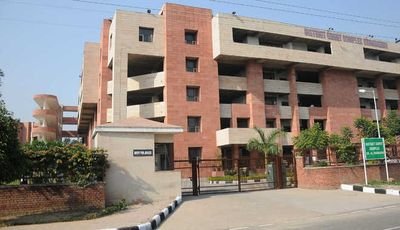
The initial formalities were completed smoothly, and I was made to feel comfortable from the very beginning. The District Court Complex, Sector 43, Chandigarh, offers an excellent professional environment for law students.
The premises are well-maintained, organized, and constantly active with court proceedings, making them an ideal place to observe the practical aspects of legal practice.
My first impression was overwhelmingly positive. The advocate and the chamber staff were approachable and encouraging, creating an atmosphere in which interns felt welcomed rather than intimidated.
The combination of a supportive work culture and exposure to court proceedings made the internship engaging and intellectually stimulating right from the outset.
Main Tasks
During the course of the internship, I was entrusted with a variety of tasks that provided meaningful exposure to both the litigation process and the practical aspects of legal practice.
I assisted with legal drafting, observed court proceedings, and accompanied the advocate in matters before different courts within the District Court Complex. These experiences helped me understand the procedural aspects of litigation and the day-to-day responsibilities of an advocate.
One aspect that I particularly appreciated was the advocate’s willingness to involve interns in activities beyond courtroom observation.
Rather than limiting our role to passive learning, he encouraged us to explore the court premises, track case listings, understand court functioning, and familiarize ourselves with the practical realities of litigation.
I was also given the opportunity to sit in on client consultations and counseling sessions, which provided valuable insight into client interaction, case assessment, and the professional responsibilities of an advocate outside the courtroom.
Despite mentoring several interns simultaneously, he ensured that each intern received adequate attention, guidance, and opportunities to learn. During both my winter and summer internships, I found his approach to mentorship to be remarkably patient, inclusive, and genuinely invested in the growth of his interns.
Work Environment
The work environment was one of the strongest aspects of the internship. The chamber maintained an ideal balance between professionalism and approachability. While there was a clear expectation that interns would be punctual, disciplined, and committed to their work, the atmosphere was never unnecessarily rigid or intimidating.
What particularly stood out was the advocate’s willingness to engage with interns and make them feel like active participants in the learning process rather than mere observers.
Questions were welcomed, discussions were encouraged, and guidance was readily available whenever required. This created an environment in which interns could learn with confidence and gradually develop both practical knowledge and professional skills.
Despite managing multiple interns simultaneously, the advocate ensured that each individual received adequate attention and meaningful exposure. The chamber fostered a culture of learning, curiosity, and mutual respect, making it an excellent place for law students seeking practical insights into litigation.
For students looking for a structured yet supportive internship experience, the work environment itself is a compelling reason to intern under him.
Good Things about the Internship
The most commendable aspect of this internship was the Advocate’s genuine commitment to mentoring law students. He understood that interns, particularly those in the early years of law school, are still developing their understanding of legal concepts and courtroom practice.
Rather than expecting them to already possess practical knowledge, he made a conscious effort to guide them through the fundamentals and bridge the gap between theory and practice. What distinguished this internship from many others was the level of exposure provided.
Whether it involved case files, pleadings, drafting work, client interactions, or court proceedings, every effort was made to ensure that interns understood not only what was being done but also why it was being done.
The Advocate frequently shared insights from his own professional journey, offering practical advice on navigating the challenges of the legal profession.
The chamber itself was intellectually vibrant and constantly active, with advocates, clients, and legal discussions creating a dynamic learning environment.
The Advocate’s willingness to invest time in interns despite a demanding workload was particularly noteworthy. In fact, the quality of mentorship and the learning opportunities provided were the primary reasons I chose to intern under his guidance on more than one occasion.
Bad Things about the Internship
It is difficult to identify any major shortcomings of the internship itself. However, prospective interns should be prepared for the realities of litigation practice.
The chamber often remained busy, with multiple clients, advocates, and ongoing matters requiring attention. In such an environment, interns are expected to be proactive and take responsibility for their own learning rather than waiting for instructions at every step.
Another aspect worth noting is that litigation does not guarantee an exciting or productive experience every single day.
Some days involve extensive discussions, court appearances, and drafting work, while others may be comparatively slow. Learning to remain attentive and extract value from both types of days is an important part of the internship experience.
Additionally, interns are expected to pay close attention to details. Information shared during discussions or while handling files may be referred to later, and interns are often expected to recall and understand those details.
While this can occasionally create pressure, it ultimately helps develop attentiveness, professionalism, and the ability to work effectively in a fast-paced legal environment.
Monthly Stipend
It was an unpaid internship
Details about the accommodation, commuting to the office
As I was residing in the Chandigarh University hostel during the internship period, I commuted to the office on a daily basis and did not require any separate accommodation. The distance was manageable, and the location was easily accessible through public transport and other commuting options.
For students from outside Chandigarh, finding accommodation near the District Court Complex, Sector 43, should not be difficult. The area is surrounded by numerous PGs, hostels, and rental accommodations catering to students and working professionals.
Another significant advantage is that the District Court Complex is located adjacent to the Chandigarh ISBT, Sector 43, one of the city’s major transport hubs. This makes the location highly convenient for interns traveling from neighboring cities or states and ensures easy connectivity throughout the internship period.
Anything else you want to share?
If there is one lesson I took away from this internship, it is that law is best understood not merely through textbooks, but through observation, interaction, and practical exposure.
As a law student, I found immense value in witnessing how legal principles are translated into real-world solutions for clients and how advocates navigate both legal and human complexities on a daily basis.
Beyond the technical aspects of law, the internship helped me develop greater confidence in interacting with professionals, understanding courtroom etiquette, and appreciating the responsibilities that accompany legal practice.
The experience also reinforced the importance of curiosity and initiative; the more questions I asked and the more actively I engaged, the more I learned.
Whenever time permitted, interactions with fellow interns and discussions on ongoing cases often proved to be as educational as the formal tasks themselves. Overall, the internship provided a well-rounded learning experience and further strengthened my interest in pursuing a career in litigation.
It is one of the few internships that not only teaches the law but also helps students understand the profession behind it.
Share your internship experience here and get a chance to win Rs. 1500! Details here.
Disclaimer: Internship Experiences are opinions shared by individual law students are personal and subjective. Internship Experiences are NOT Lawctopus’ official views on the internship. We also do not edit internship experiences (except to enhance readability) to ensure that the intern’s voice remains intact.
Disclaimer: Organisations should not influence interns to write internship experiences on Lawctopus or make writing one mandatory for an internship certificate. These practices can lead to the organization getting blacklisted. In case of such instances, interns are requested to inform at contact@lawctopus.com

