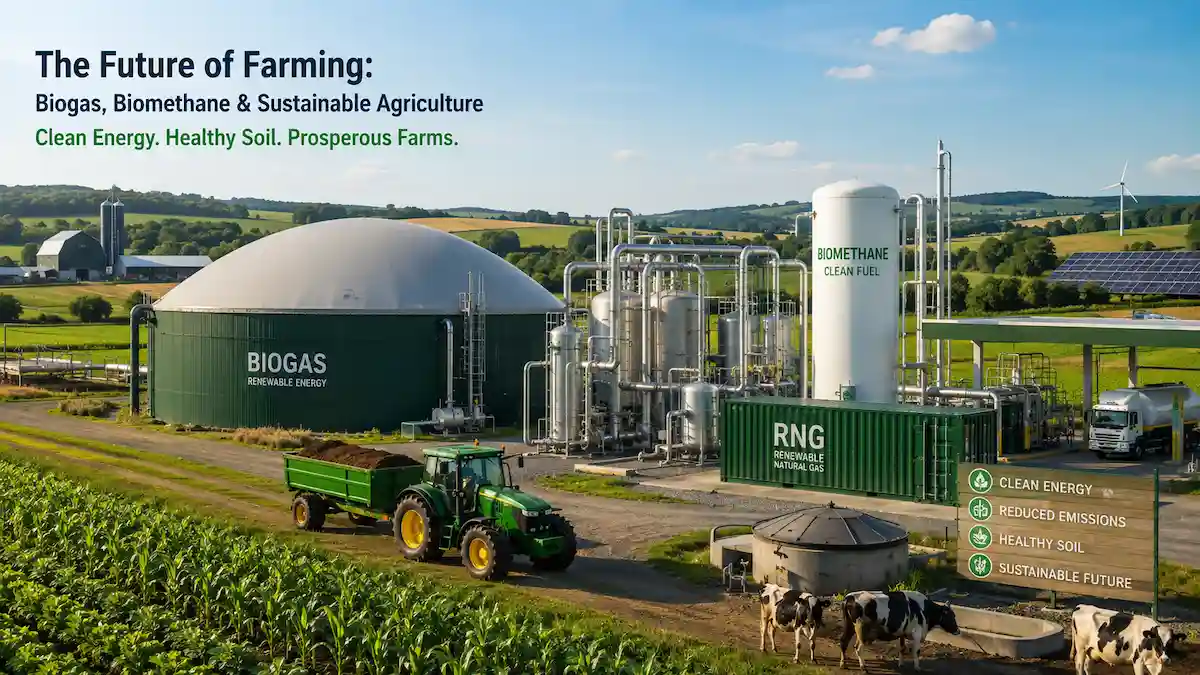

Biogas digesters and membrane systems have undergone significant changes over the years, advancing in ways that help farmers adapt to climate change and embrace digital tools. Implementing and adapting to new equipment is worth the effort, especially when it offers such notable environmental benefits. These methods will help you achieve the most efficient and sustainable experience from your newly enhanced biogas digesters, turning waste into an invaluable asset.
Diversify Your Feedstock With Co-Digestion
Biogas digesters, like people, require varied diets to operate effectively. This is called co-digestion, which involves giving them more than manure. Recent advancements allow them to accept many organic materials, enabling you to capitalize on more resources from your property than before. Using more feedstocks will also make it easier to balance the carbon-to-nitrogen ratio, making the combination of animal manure and agro-industrial waste a more viable biofertilizer.


You could see productivity improvements of 25% to 400% compared to using a single feedstock. Because they accept more varied inputs, you could pull feedstocks from sewage sludge, agricultural waste and more. This allows you to reduce waste burdens on nearby companies, such as breweries and other food processors. Their organic waste can be reused, helping reduce carbon emissions from multiple sources.
Optimize the Digestion Process With Smart Monitoring
To ensure the biogas digester remains stable, its contents need oversight and support. Sensor-based technologies have made this easier, so you can see how the microbes are behaving. These can measure metrics like volatile fatty acid levels, alkalinity and temperature, enabling automated microadjustments that best suit the environment. These changes could prevent the mixture from souring and causing production delays.
For example, monitors could detect corrosion or reduced BTU content, which is directly related to hydrogen sulfide in many digesters. Hydrogen sulfide can reduce biogas quality by diluting methane and corroding equipment.

Knowing the machinery’s status at all times can mitigate your risk and eliminate costly downtime and long-term maintenance. It will also mitigate adverse environmental impacts by reviewing factors such as methane production and raising teams’ awareness of fugitive emissions.
Upgrade Biogas to Biomethane With Advanced Membranes
Renewable natural gas (RNG) is a chemically similar product to the fossil fuel with far fewer negative consequences. Biogas can be upgraded to RNG using modern skid-mounted upgrading units that process biogas after digestion.
Instead of using fossil fuels for tools and vehicles, farms can opt for RNG generated by a machine already on the property. Skids are such powerful tools that they are even being incorporated into energy plants worldwide to supplement fossil fuels.
These skids are installed within a digester. They transform raw biogas by removing impurities and compressing it into pipeline-quality RNG. This process separates the elements, increasing the methane content.

This process could have numerous environmental advantages since methane is 25 times more potent than carbon dioxide at trapping heat in the atmosphere over a 100-year period. Capturing and upgrading it into RNG could help farms reduce emissions while creating a usable fuel source.
Maximize Value From Digestate With Nutrient Recovery
What remains after the digester does its work is a valuable resource — not waste. Promote more circular, closed-loop practices on the farm by finding ways to use the digestate. Most use it as a biofertilizer, making other parts of the workflow more sustainable by replacing chemical-based alternatives. All you have to do is install a digestate separator and processor.
Farmers can further improve soil health by following proven organic manure production practices to make the most of nutrient-rich digestate.
Biogas plants are incorporating modern screw presses that use 4.5 times less power than conventional centrifuges and recover 60% more solids for reuse. This advancement is critical for getting the most out of leftovers, and teams can turn them into pellets to make them easier to handle. These boons could help farms adopt more organic principles and minimize reliance on traditional fertilizers that pollute the environment.
Integrate Into the Circular Economy for Maximum Value
To achieve the greatest positive environmental impact from your systems, consider them a small part of a larger, green ecosystem. Your farm is connected to the community, and the biogas digester and its output could contribute to carbon reductions across the region.
Innovations like carbon markets and renewable energy credits enable farms to receive compensation for their generation potential. The Renewable Fuel Standard and the Low Carbon Fuel Standard are examples that organizations can leverage to support the biogas sector’s development at a compound annual growth rate of 8.8% by 2035.
Eventually, the additional revenue could help companies invest in more expensive decarbonization tools, such as on-site renewables or water filtration systems — all enabled by the capabilities of an advanced biogas digester.
Embracing Advancements for Better Biogas
Every choice to implement a new technology or strategy is a win for sustainability and the efficiency of your biogas digesters. Whether it’s using digestate as fertilizer or signing up for a carbon-reducing credit, these all let the industry at large know the positive impact these machines can have. Eventually, these habits will set the standard for operations, helping farmers mitigate climate risk and survive volatility.

