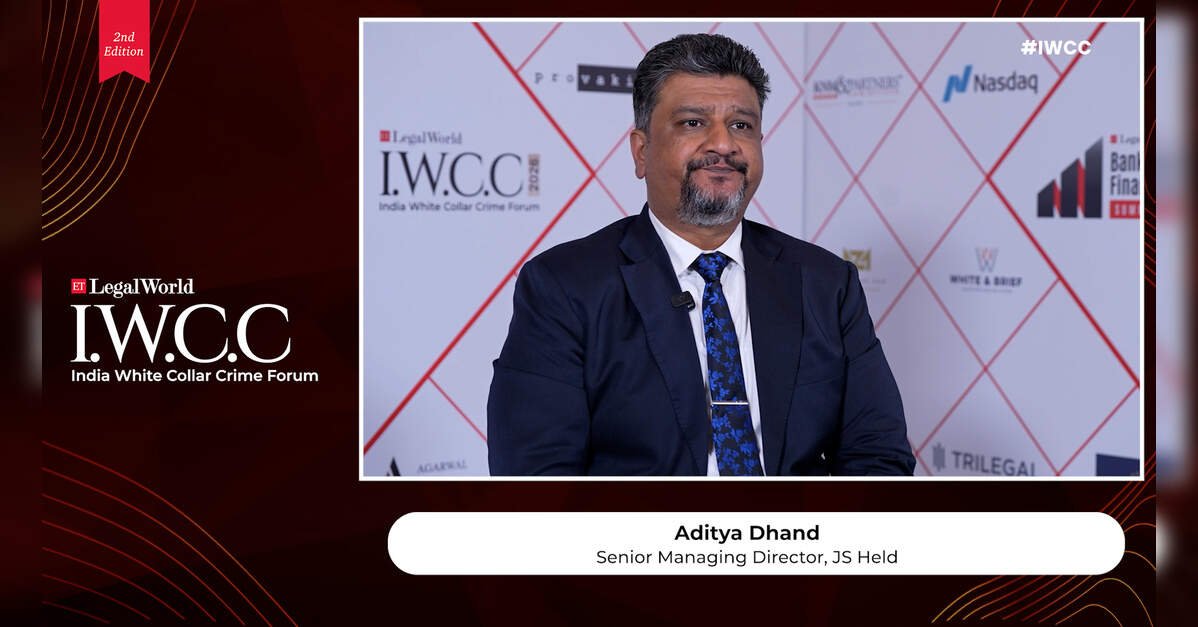


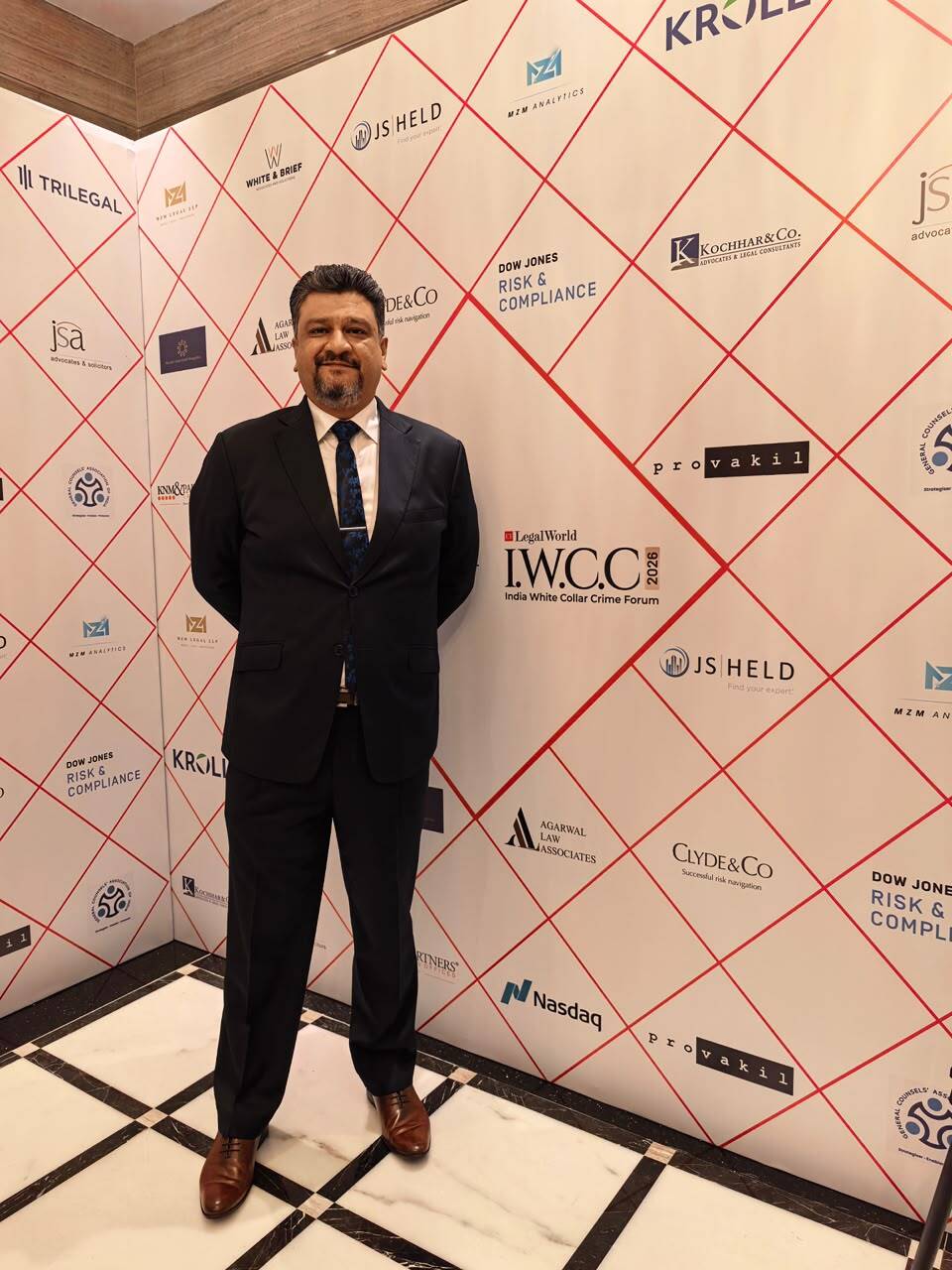
Aditya Dhand is a Senior Managing Director for J.S. Held India Private Limited. He is a veteran of the Indian Navy and a former Amazon employee, with expertise spanning many areas, including business intelligence, investigations, risk mitigation, and operations.
Aditya has completed numerous projects in risk assessment and mitigation, fraud detection, and market entry strategy. He specializes in conducting complex investigative assignments involving due diligence, white-collar crimes, forensic audits, business continuity risk management, and asset tracing. He has assisted clients, including global private equity funds, asset management firms, and law firms, on matters in India, the UAE, Bangladesh, and Sri Lanka.
Aditya is responsible for driving the growth and management of J.S. Held’s operations in India, covering business development, project management, and all aspects of client outreach and coordination for India’s practice.
Q. What is the one message you hope business leaders take away from today’s discussions?
Aditya Dhand: Okay, that’s a very relevant question in today’s day and age. The main change that has happened, let’s say in the last decade, is that now you have far more news that travels fast; bad news travels even faster. So any case of fraud or malpractice is no longer an internal issue and quickly gets amplified into reputational damage, which stretches beyond borders at times.
So the message would be to not look at the past, how it’s been dealt with, but look into the future and take all these things very seriously now.
Q. With AI, deepfakes, and digital fraud on the rise, are investigators keeping pace with increasingly sophisticated financial criminals?
Aditya Dhand: We at JSL are at the cutting edge of using AI to catch cybercrime, to catch financial crimes. And we are one step ahead of the cybercriminals. However, in all these crimes, the weakest link turns out to be the human element. That is why awareness and training are very important.
Q. Based on your experience in cross-border investigations, what is the biggest challenge in tracing assets and gathering evidence across jurisdictions?
Aditya Dhand: The challenge is, first of all, the availability of information in different jurisdictions. You know, you have advanced countries where data is available very easily. And if you go a little bit into regions like Africa, the digitization of the data is much less, and it’s difficult to find. That is one aspect. The second aspect is admissibility in court. Whatever you’re finding finally is going towards some litigation or investigation.
The different courts around the globe have different standards for accepting evidence. In some instances, in some jurisdictions, fruit of a poison tree is acceptable; in some it is not. So that is the challenge.
Q. What are the most common due diligence failures that eventually lead to major white-collar crime investigations?
Aditya Dhand: I would say the biggest failure that we come across is failure to comply with your own standard operating procedures and rules. Compliance sets in. The rules are set with great earnest, the procedures are made. However, over time, people start taking them casually, and the management is under the impression that they are being followed, but actually they are not being followed
Q. If you could recommend one immediate step that every board or CEO should take to better protect their organisation from white-collar crime, what would it be?
Aditya Dhand: I would say lead by example, because the board sets the culture for the entire company. It is very difficult to go and monitor every person in every company, especially for a large conglomerate. So setting the example goes a long way, even more than probably having technology or AI.
[The views and opinions expressed in this interview are solely those of the interviewee in their personal capacity and do not necessarily reflect the views of their organization, ETLegalWorld, or its affiliates.]