
[ad_1]

WhatsApp has banned more than 9,400 accounts linked to digital arrest scams in India starting January this year over a 12-week period as part of its coordinated enforcement effort with government agencies.
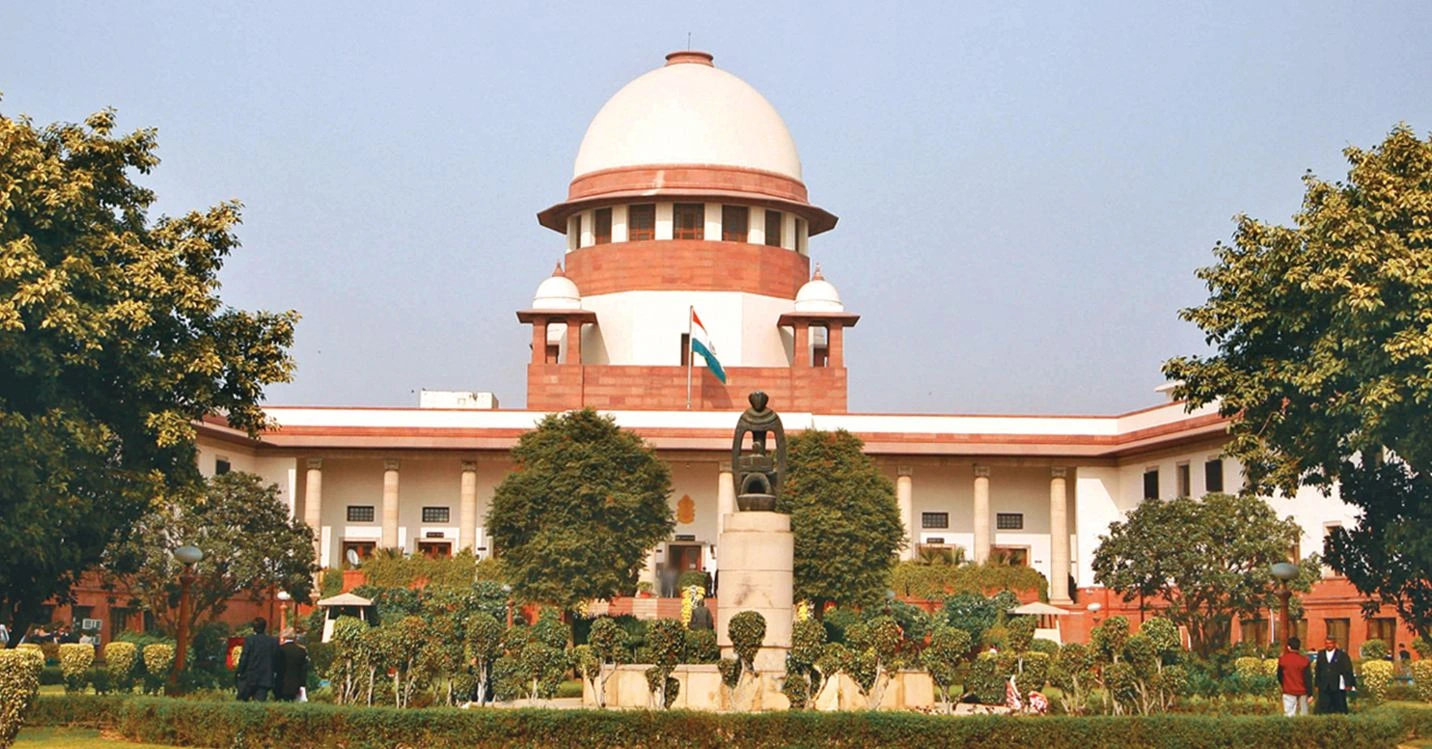
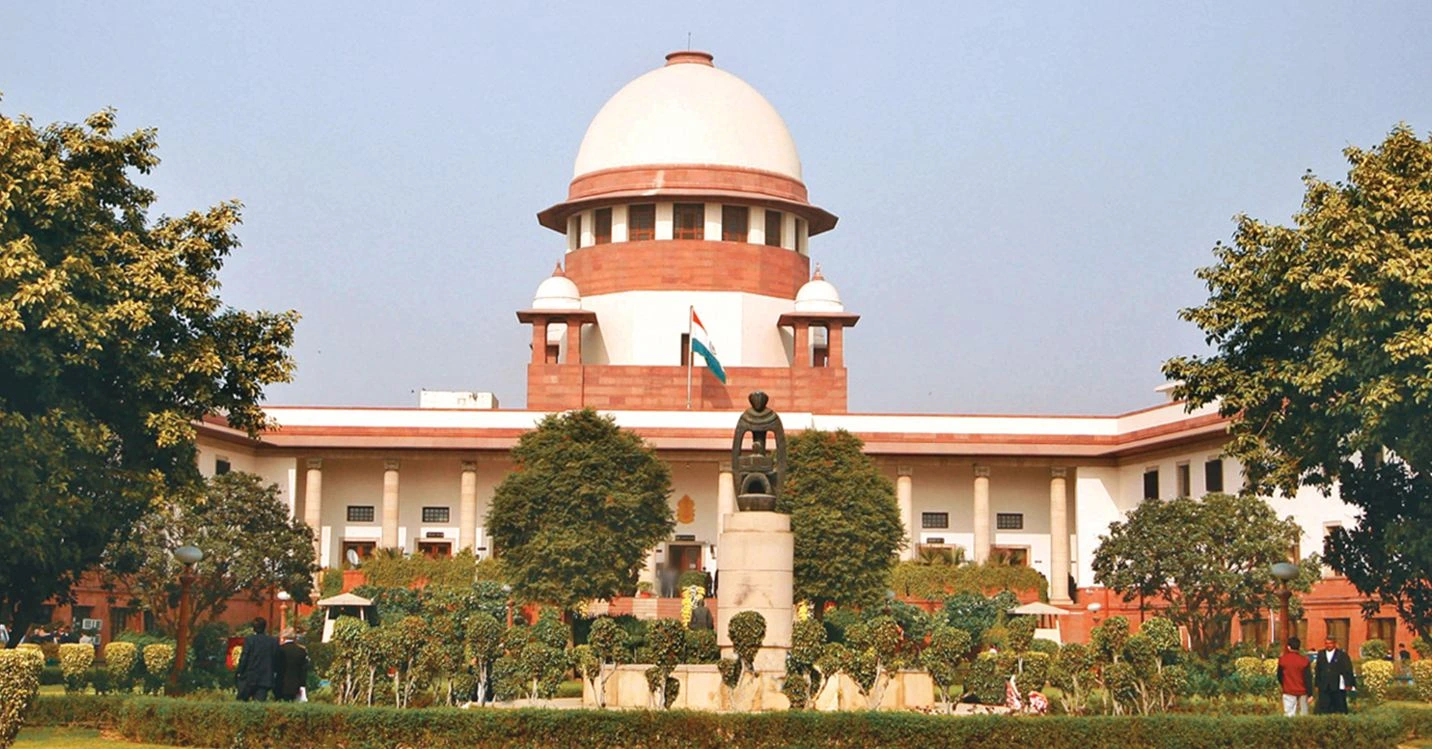
The details were disclosed in the affidavit placed before the Supreme Court by Attorney General R Venkataramani in an ongoing suo-motu proceedings examining the rise of such scams, where fraudsters impersonate police, investigative agencies, or courts to extort money.
WhatsApp said its probe found that many of these shady operations originated from scam centres in Southeast Asia, particularly Cambodia. The perpetrators used display names such as “Delhi Police,” “Mumbai HQ,” “CBI,” and “ATS Department,” along with official-looking logos, to create a false sense of authority.
To tackle the issue, the platform has introduced several enforcement tools, including systems to detect logo impersonation, tracking of account display names (pushnames), and a large language model designed to identify evolving scam patterns. It has also developed a database of known scam assets to detect repeat offenders more efficiently.
The company stated that its action followed a focused investigation triggered by inputs from the Indian Cyber Crime Coordination Centre, the Ministry of Electronics and Information Technology, and the Department of Telecommunications. It emphasised that such inputs are used to map and dismantle entire criminal networks rather than address isolated complaints. While government agencies flagged around 3,800 accounts, WhatsApp’s internal analysis led to a much wider crackdown.
The enforcement drive targeted not only operators directly running scams but also accounts promoting them within groups and channels, along with linked assets sharing common technical or behavioural indicators.
In addition, WhatsApp said it is rolling out user-facing safeguards, including warnings for suspicious first-time messages, visibility of account age for unknown contacts, suppression of profile photos in high-risk interactions, and enhanced caller identification for unknown numbers. These measures, it said, are expected to significantly reduce such scams on the platform.
At the same time, the company acknowledged that many frauds rely on off-platform systems such as payment channels and international criminal networks, requiring coordinated multi-jurisdictional law enforcement action beyond platform-level interventions.
The Supreme Court is examining the issue through suo-motu proceedings initiated in October 2025 after a senior citizen couple reported being defrauded of Rs 1.5 crore by scammers posing as officials of the Central Bureau of Investigation, Intelligence Bureau, and the judiciary. The fraudsters allegedly used phone and video calls, along with forged court orders, to coerce payments under the threat of arrest.
Taking note of similar incidents reported across States, the Court sought responses from the Central government and directed the Central Bureau of Investigation to probe the matter, while also seeking assistance from the Attorney General.
[ad_2]
Source link

