
[ad_1]

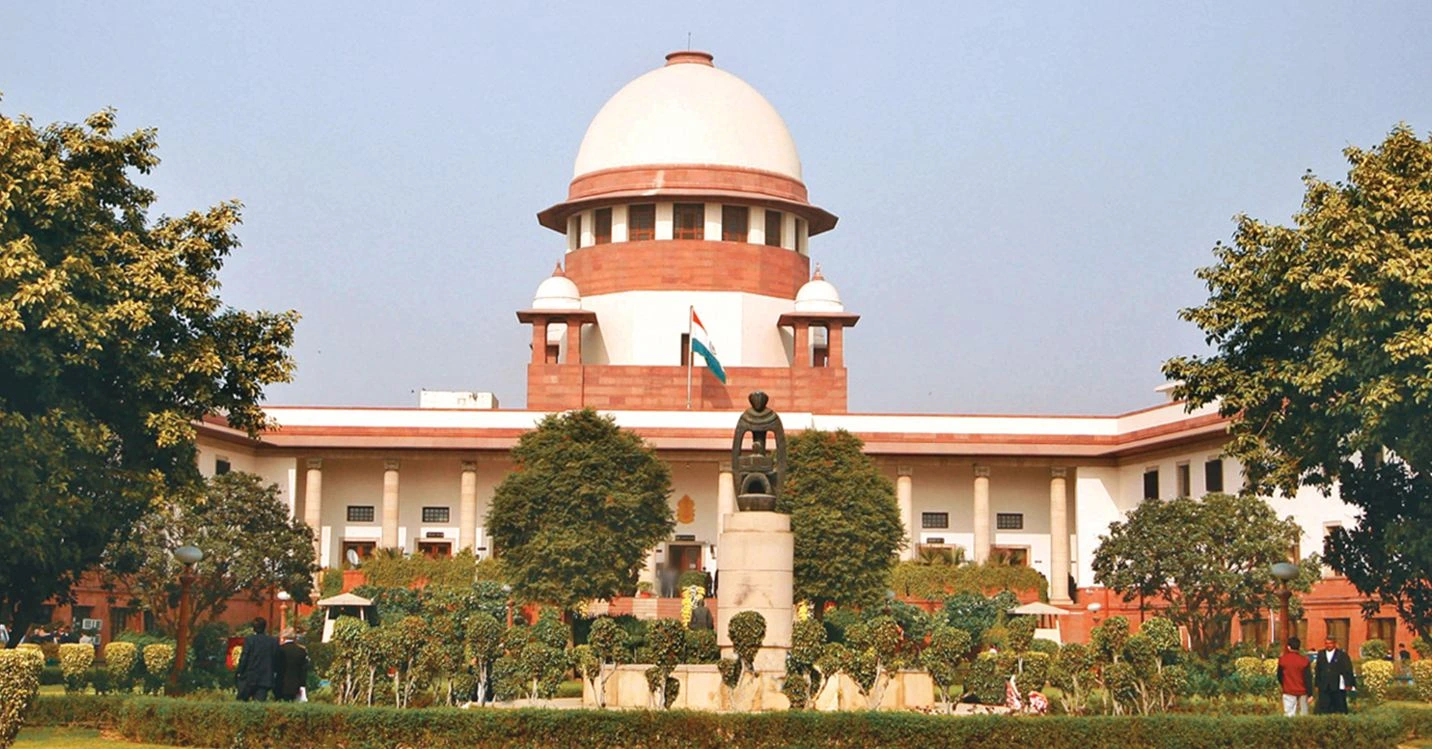
The Supreme Court of India has urged the Union government to consider enacting a law that formally recognises paternity leave, highlighting the need for a more balanced approach to parental responsibilities.
The observation came from a Bench comprising J B Pardiwala and R Mahadevan while deciding a case related to maternity benefits for adoptive mothers. In its ruling, the Court pointed out that the current legal framework does not adequately address the role of fathers in childcare.
The Bench noted that the absence of a statutory provision for paternity leave represents a gap in the country’s social welfare laws. It suggested that the government examine the issue and frame appropriate legislation, taking into account the needs of both parents as well as the best interests of the child.
These observations were made in the context of the Court striking down a restrictive provision under the Code on Social Security, 2020, which had limited maternity leave for adoptive mothers to cases where the child was below a certain age. The Court held that such a restriction was unconstitutional and clarified that adoptive mothers are entitled to maternity leave regardless of the age of the child at the time of adoption.
Emphasising the importance of shared parenting, the Court observed that childcare responsibilities should not rest solely on mothers. Recognising paternity leave, it noted, would help create a more equitable framework by enabling fathers to actively participate in early childcare and support their partners.
The Court’s remarks signal a broader push towards modernising India’s social security regime to reflect evolving family dynamics and the need for greater gender equality in caregiving roles.
[ad_2]
Source link

