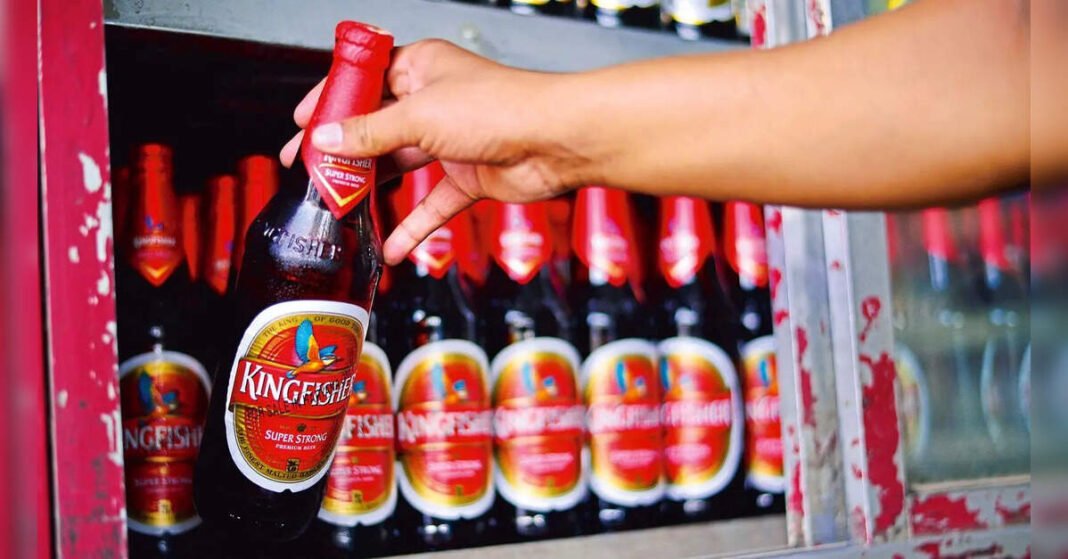
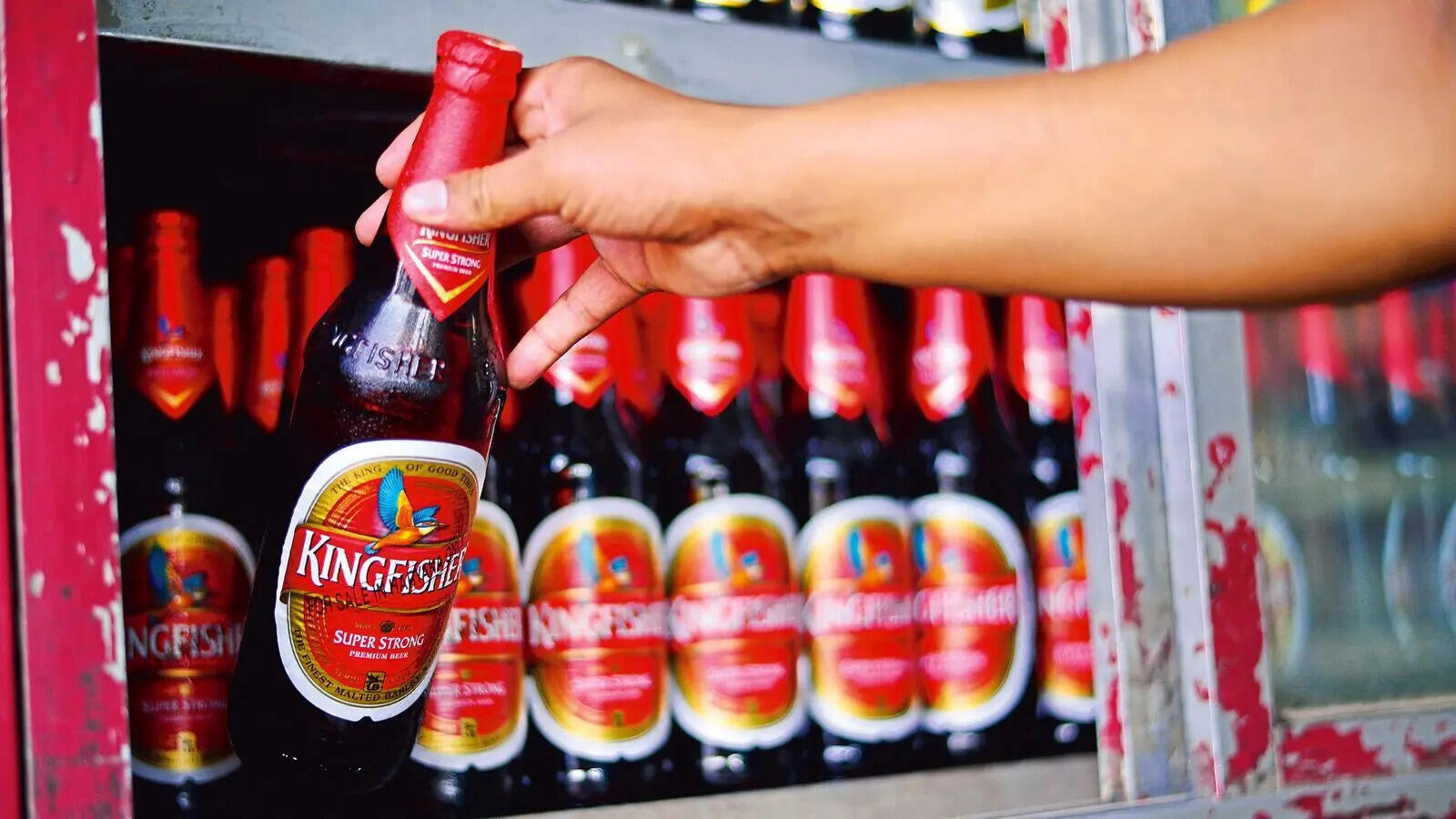
Few advertising refrains in India trigger such instant recognition as “Oo La La La Le O.” Long before listeners see a logo or read a tagline, the tune alone has been enough to summon the Kingfisher brand. That instinctive association is now backed by law. In early February 2026, United Breweries Limited secured trademark registration for the iconic Kingfisher jingle, formally converting a cultural cue into a protected intellectual property right and underscoring India’s accelerating shift toward non-traditional trademarks.
The registration was granted under Trade Mark Application No. 6834005, covering an Instrumental Melody (Sound Mark) in Class 32 for beers and non-alcoholic beverages and Class 33 for alcoholic beverages other than beer. The mark is registered from 31 January 2025 and remains valid until 31 January 2035, with the option of renewal every ten years thereafter. Legally, this ensures potentially perpetual protection for a sound that has been associated with the Kingfisher brand since 1996.
Sound Marks Under Indian Trademark Law
Indian trademark law, governed by the Trade Marks Act, 1999, does not restrict protection to visual marks alone. Any mark capable of graphical representation and of distinguishing goods or services may be registered. Sound marks fall within this framework, but the evidentiary burden is high. Applicants must demonstrate that the sound functions as a source identifier and is not merely decorative or descriptive.In this case, the Registry appears to have been persuaded by nearly three decades of continuous and consistent use. According to United Breweries, the jingle has “developed an unmistakable and enduring association with the Kingfisher brand,” effectively functioning as a trademark long before it was formally registered.
Vikram Bahl, Chief Marketing Officer at United Breweries Limited, captured this rationale when he stated, “Some brand assets go beyond visuals and words, they live in memory and emotion. The Kingfisher Jingle is one such asset.” From a legal standpoint, that emotional recall is precisely what establishes acquired distinctiveness.
Acquired Distinctiveness and Source Identification
Sound marks are rarely inherently distinctive. Their registrability typically depends on evidence of acquired distinctiveness, meaning the public associates the sound exclusively with one commercial source. Neha Munjral, Chief Legal Officer of United Breweries Limited, articulated this principle clearly, noting that “the jingle, even without the mention of the brand, has an immediate association with Kingfisher. It is therefore a quintessential trademark, which was waiting to be registered.”This ability to trigger brand recall in isolation aligns with the core trademark test of whether a mark identifies origin rather than merely enhancing recall. The Registry’s acceptance indicates that the Kingfisher jingle satisfied this test beyond reasonable doubt.
India has witnessed relatively few sound mark registrations, with earlier examples including the Yahoo yodel of Yahoo, the Nokia tune of Nokia, and corporate sound marks in the financial services sector such as ICICI Prudential. These registrations were largely confined to technology and services industries, where audio cues play a central role in consumer engagement.
United Breweries’ registration is legally notable as the first sound mark in the alcoholic beverages category in India, a sector traditionally subject to stringent advertising and regulatory controls. The development signals that even in regulated industries, non-traditional trademarks can secure protection where distinctiveness and goodwill are clearly established.
Part of a Broader Shift Toward Sensory Trademarks
The Kingfisher sound mark also fits into a wider legal trend. In late 2025, the Trade Marks Registry permitted India’s first olfactory trademark for a rose-scented tyre, holding that the scent was capable of precise graphical representation and distinctiveness. Together, these developments reflect a growing institutional willingness to recognise trademarks that appeal to senses beyond sight.
For trademark owners, the message is clear. Indian trademark law is no longer confined to words and logos. Sounds, scents, and other sensory cues can now qualify for protection if they meet statutory requirements.
With registration in place, United Breweries enjoys exclusive rights to use the jingle in relation to the registered goods and to restrain unauthorised use of similar sound cues. While enforcement of sound marks may require nuanced evidence of consumer perception, the registration itself significantly strengthens the brand’s legal position.
Ultimately, the Kingfisher jingle’s transition from advertising refrain to registered trademark reflects a maturing trademark ecosystem. As branding becomes increasingly multisensory, Indian trademark law is evolving to ensure that what consumers hear and remember can be protected just as robustly as what they see.