

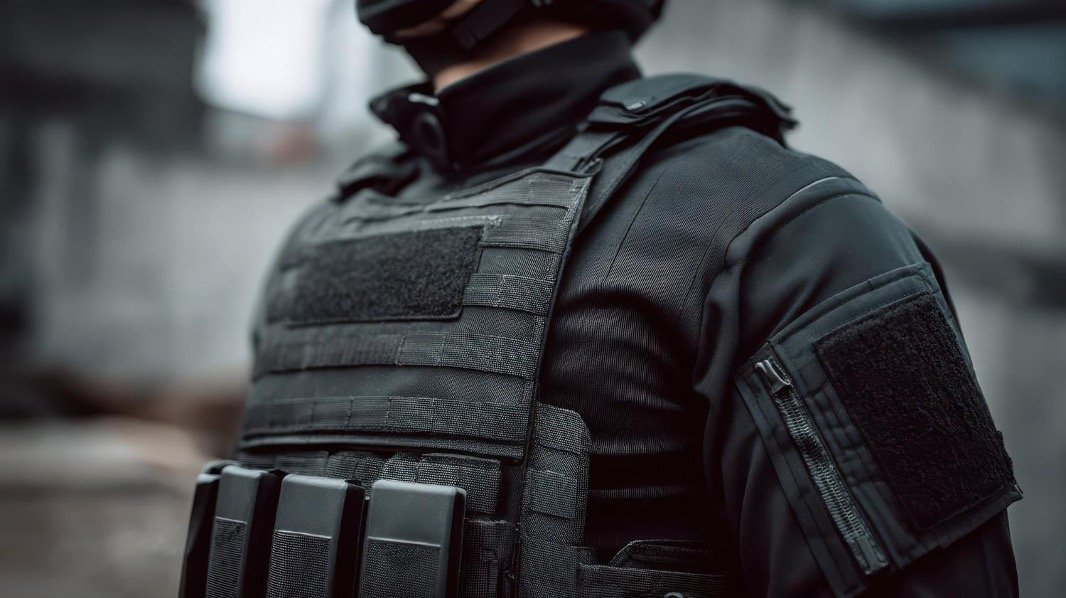
Personal safety has always been a fundamental concern in societies governed by the rule of law. While governments establish legal frameworks to maintain order and protect citizens, individuals and organizations often seek additional ways to reduce personal risk. Over time, advances in materials science and manufacturing have made various forms of protective equipment more accessible to professionals and civilians alike.
Among these developments, body armor has emerged as one of the most widely recognized forms of personal protective equipment. Originally developed for military use, modern body armor has evolved into lightweight and versatile systems used by law enforcement officers, security professionals, journalists working in conflict zones, and certain civilians concerned with personal safety.
As access to this technology has expanded, legal questions surrounding its ownership, sale, and use have also become increasingly relevant. For lawyers, policymakers, and compliance professionals, understanding the legal landscape surrounding body armor is essential for navigating issues related to public safety, liability, and regulatory oversight.
The Legal Foundations of Personal Protection
Most legal systems recognize the right of individuals to take reasonable steps to protect themselves from harm. In many jurisdictions, this principle is embedded within self-defense laws that allow individuals to respond to imminent threats using proportionate measures.
Protective equipment such as body armor typically falls into a different category from weapons because its primary purpose is defensive rather than offensive. Instead of enabling force, it is designed to reduce the risk of injury.
However, the defensive nature of body armor does not remove it from legal scrutiny. Legislators and regulatory bodies often examine how such equipment may affect public safety, particularly if it becomes widely available without appropriate oversight.
As a result, the legal status of body armor varies depending on jurisdiction, with different countries and states adopting their own regulatory approaches.
Federal and State Regulations in the United States
In the United States, body armor ownership is generally legal for most adults. Federal law does not prohibit civilians from purchasing or possessing body armor, provided they are not convicted violent felons.
Under federal statute, individuals convicted of violent felonies are restricted from possessing body armor unless they receive specific authorization for employment purposes. This restriction reflects concerns that individuals with a history of violent crime could misuse protective equipment during unlawful activities.
Beyond federal regulations, individual states may impose additional rules governing the sale or use of body armor. Some jurisdictions regulate how body armor can be purchased, while others impose penalties for using such equipment during the commission of a crime.
These state-level variations mean that individuals considering protective gear must understand the laws applicable within their jurisdiction. Legal professionals frequently advise clients to review local regulations before purchasing or using protective equipment.
Access and the Expanding Market for Protective Equipment
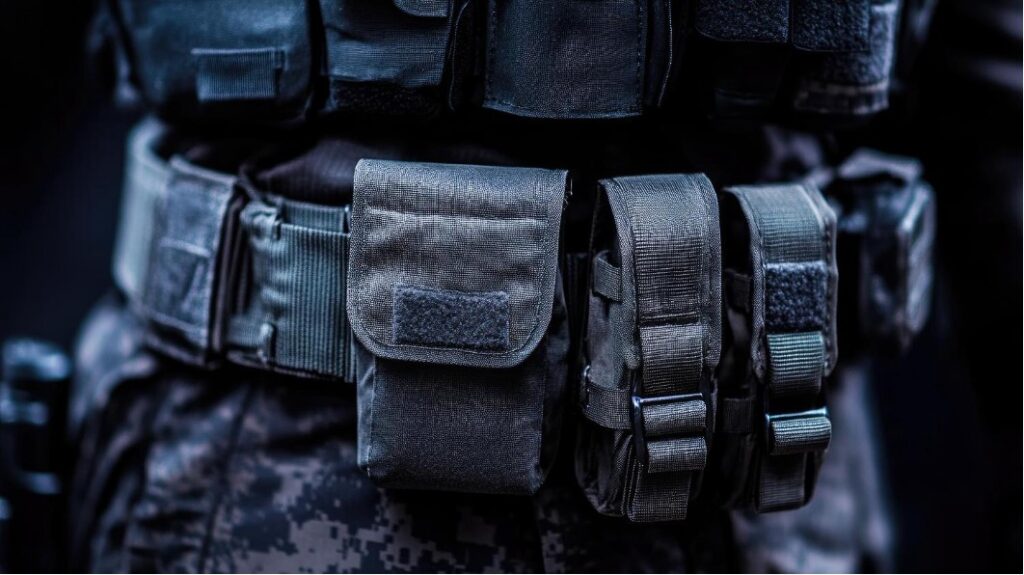
Technological innovation has significantly expanded the market for body armor. Modern systems are designed to be lighter, more flexible, and more comfortable than earlier versions, allowing users to wear them for extended periods.
Manufacturers have developed a wide range of products tailored to different needs, from professional security applications to personal safety use. As a result, individuals researching safety equipment may explore different options when determining where to buy body armor, often turning to specialized manufacturers that focus on protective gear for security professionals and responsible civilian users. The growing availability of body armor raises important legal considerations, particularly regarding how such equipment is marketed, sold, and distributed.
Regulatory compliance in this area may involve verifying purchaser eligibility, maintaining proper documentation, and ensuring that sales comply with applicable laws.
Liability and Legal Responsibility
For organizations that incorporate body armor into their operations, liability considerations are also an important factor. Private security firms, investigative agencies, and certain media organizations may authorize employees to use protective equipment when operating in potentially hazardous environments.
Employers in these industries must develop policies governing how protective gear is issued, used, and maintained. These policies typically address training requirements, equipment maintenance, and compliance with relevant regulations.
Failure to implement appropriate policies can expose organizations to legal risks. If employees are injured or equipment is used improperly, companies may face civil liability claims related to negligence or inadequate safety procedures.
Legal advisors often assist organizations in establishing comprehensive risk management frameworks that incorporate both training and equipment guidelines.
Ethical and Policy Considerations
The growing availability of body armor has also prompted broader policy discussions about the balance between personal protection and public safety. Some policymakers argue that access to defensive equipment enhances individual safety, particularly for people working in high-risk environments.
Others express concern that widespread availability could complicate law enforcement operations if individuals engaged in criminal activity attempt to use protective gear. These debates illustrate the complexity of regulating technologies that serve both legitimate and potentially problematic purposes.
Legal scholars and policymakers frequently examine these issues through the lens of constitutional rights, public safety priorities, and regulatory oversight in rapidly evolving markets. Research and policy analysis from the Bureau of Justice Statistics also contribute valuable data that helps inform discussions about crime trends, law enforcement challenges, and public safety policy.
The Role of Legal Professionals
For lawyers and compliance professionals, body armor regulation represents an evolving area of law that intersects with criminal justice, commercial regulation, and workplace safety. Attorneys may advise clients on regulatory compliance, liability risks, and the legal implications of purchasing or distributing protective equipment.
Advances in materials science have made body armor more accessible, raising new legal questions about responsible ownership and public safety. As these technologies evolve, legal professionals play an important role in helping clients understand applicable laws and ensure that protective equipment is used in compliance with existing regulations.