
[ad_1]

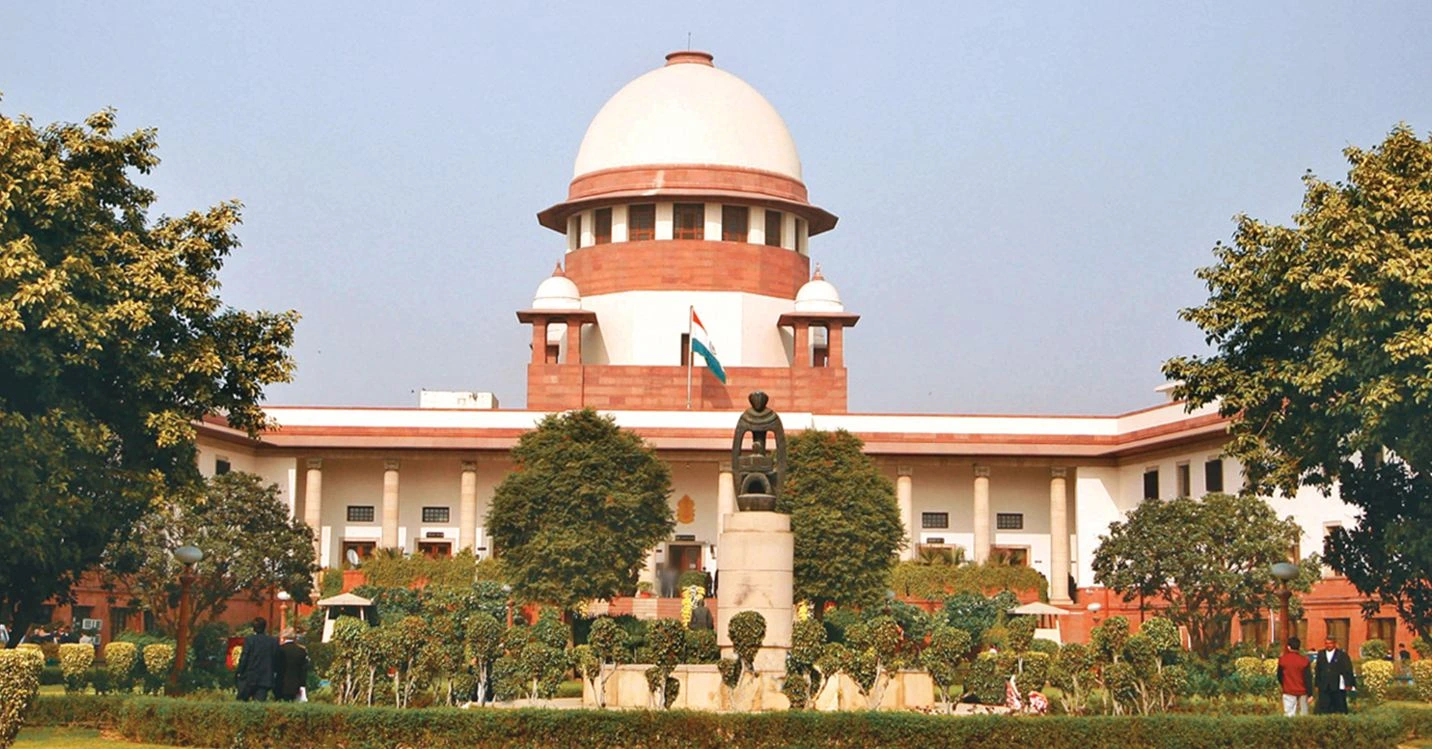
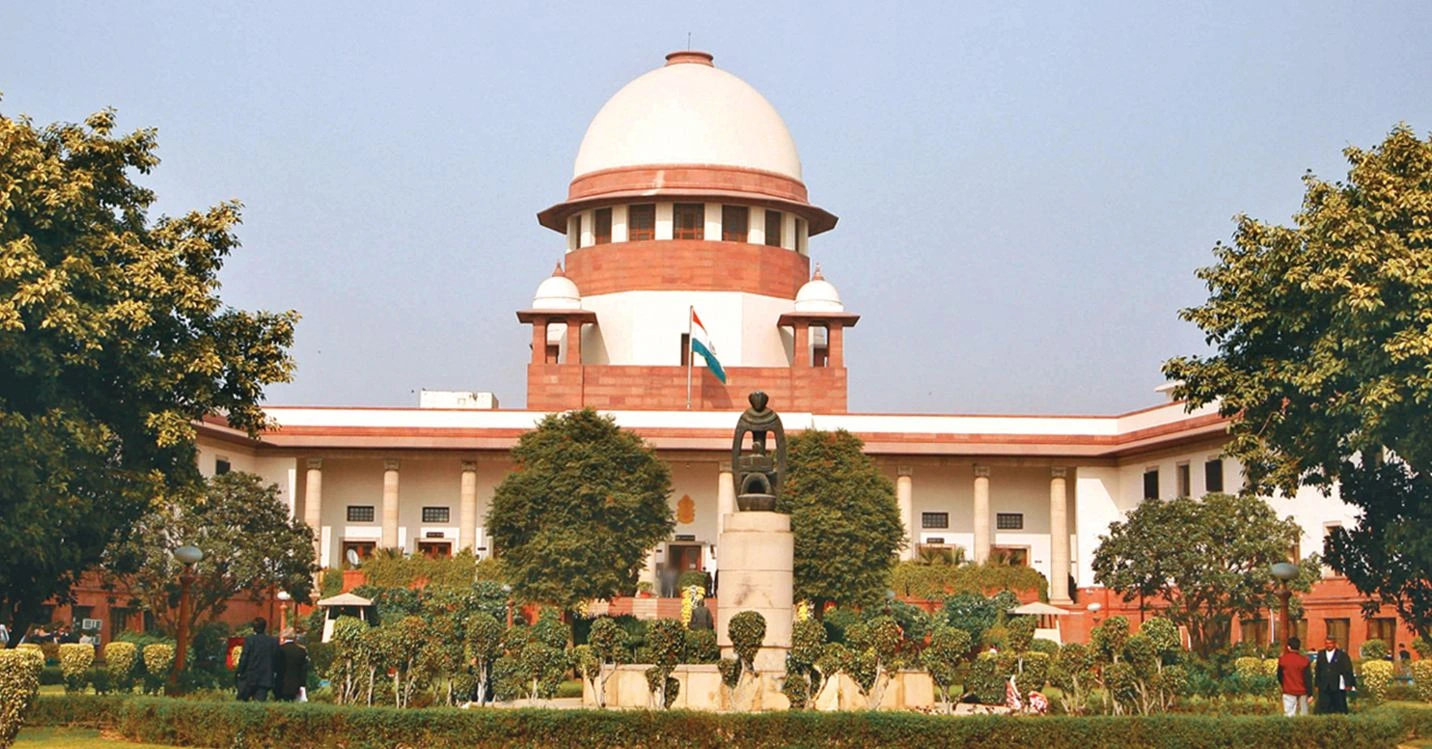
The Supreme Court recently expanded the horizon of fundamental rights by declaring that the right to safe and motorable roads is an integral part of the Right to Life under Article 21 of the Constitution.
A bench of Justice JK Maheshwari and Justice AS Chandurkar in its order dated April 13, 2026 issued comprehensive directions aimed at enhancing road safety across the country. They observed that National Highways constitute only 2% of India’s road network but account for nearly 30% of all fatalities.
This disproportionate mortality rate is what led the Bench take a suo-motu cognisance to issue a slew of mandatory, pan-India directions to transform highways from “corridors of peril” into safe transit zones.
The Court noted that the “loss of even a single life to avoidable hazards represents a failure of the State’s protective umbrella.” The court then issued a direction to the Ministry of Road Transport, National Highways Authority of India (NHAI) and States and Union Territories to make travel safe for the citizens.
The court in its observation stated that immediate demolition of all unauthorized dhabas, eateries, or commercial structures on the highway, no heavy or commercial vehicles are permitted to park on the highway carriageway or paved shoulders. They must use designated bays or way-side amenities.
The top court also issued directions to develop Advanced Traffic Management System, which uses real-time alerts, GPS-time stamped photos, and integrated eChallans. The court has also ordered the formation of Highway Safety Task Forces in every district within 15 days to monitor and audit safety protocols.
Expanding the horizon of Article 21, the court has said that Right to Life will not only protect the life of its citizen but also to provide safe environment to live with dignity for its citizens.
This order was passed when a suo motu case came before the apex court where lives were lost due to road accidents in the state of Rajasthan and Telangana due to failures in road infrastructure.
By framing “commuter safety” as an integral facet of the Right to Live with Dignity under, Article 21, the Supreme Court has effectively removed “lack of funds” or “administrative constraints” as valid excuses for poor road safety. The court has exercised its power under Article 142 of the Constitution and issued interim directions.
The Court explicitly stated that no pecuniary (financial) constraint can outweigh the sanctity of human life, placing a positive mandate on the State to ensure highways are not just built, but safely maintained.
[ad_2]
Source link

