


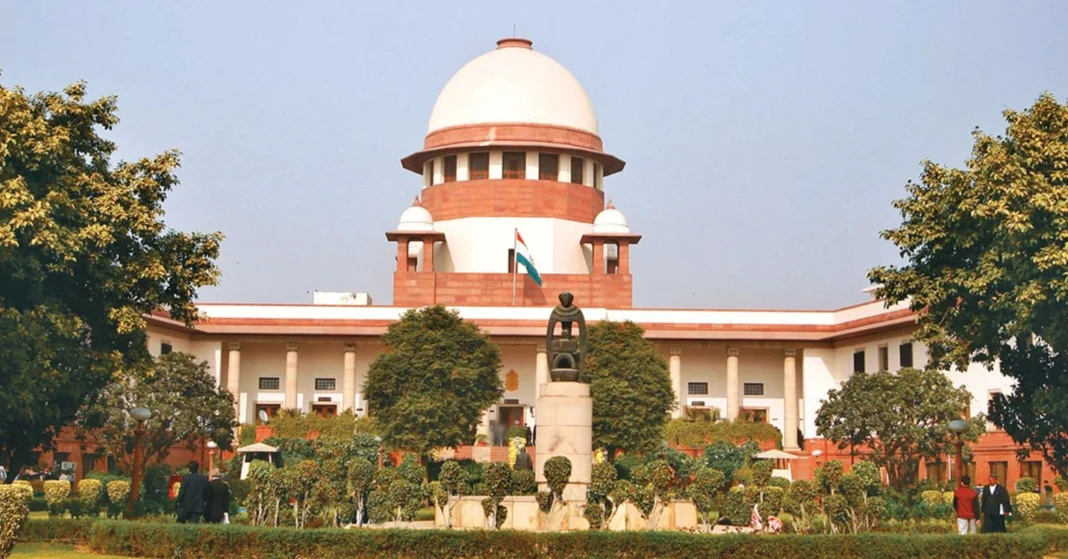
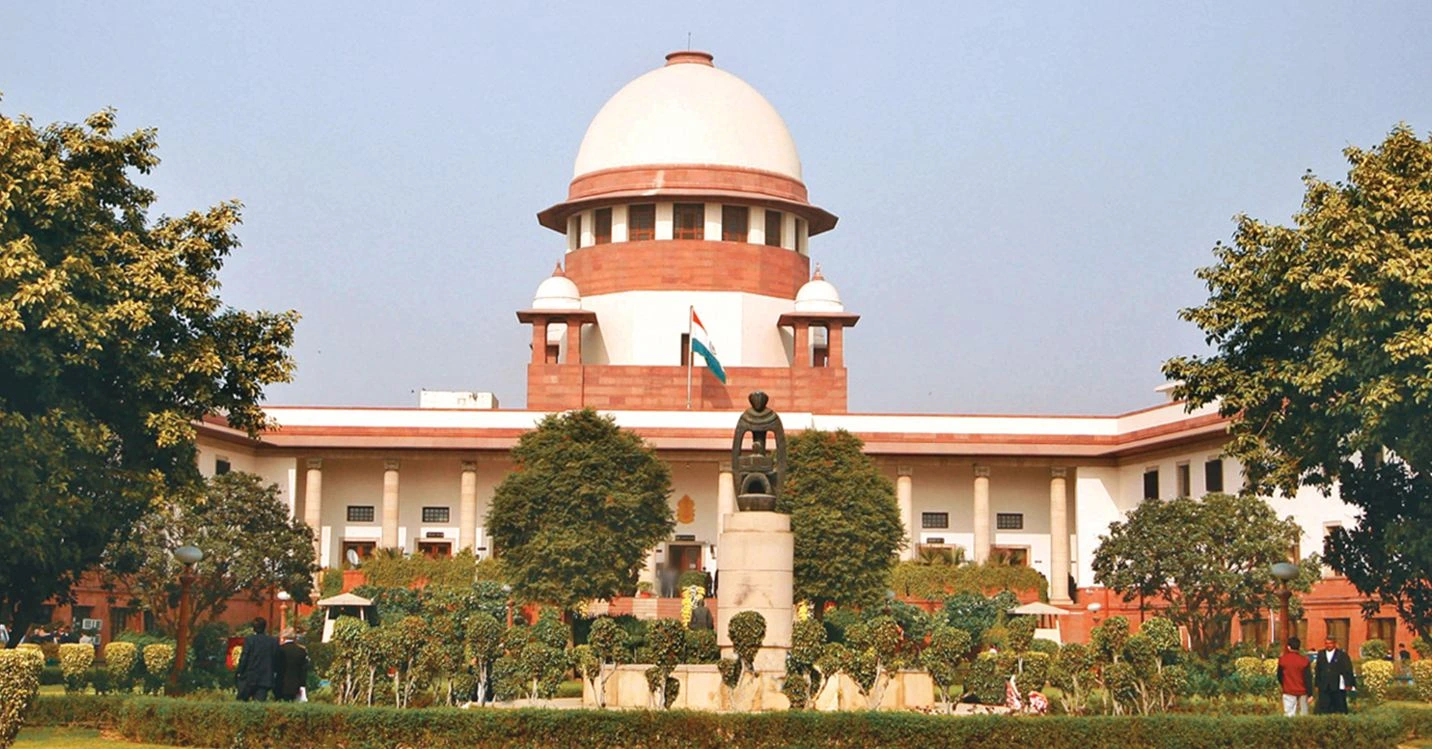
The Supreme Court of India has declined to entertain a plea challenging restrictions placed on the entry of Christian missionaries into certain tribal villages in Chhattisgarh. By doing so, the top court left undisturbed an earlier decision of the Chhattisgarh High Court, which had upheld the authority of local village bodies to pass such measures.
The dispute stemmed from resolutions adopted by several Gram Sabhas in the Kanker district. Signboards were reportedly installed in these villages stating that pastors and individuals associated with religious conversions would not be permitted entry. Local bodies maintained that the steps were aimed at protecting tribal traditions and preventing conversions allegedly carried out through inducement or coercion.
A petition was filed questioning the legality of these restrictions, arguing that they violated constitutional guarantees, including the right to freely practise and propagate religion. However, the High Court found that the Gram Sabhas were acting within their powers under the Panchayat (Extension to Scheduled Areas) Act (PESA). It observed that constitutional protections under Article 25 are subject to public order and do not safeguard conversions achieved by force, fraud, or allurement.
When the matter was brought before the Supreme Court, a Bench of Justices Vikram Nath and Sandeep Mehta refused to interfere with the High Court’s ruling. The Court indicated that appropriate statutory remedies were available and that the petitioner could pursue those avenues instead of seeking direct intervention under writ jurisdiction.
With this decision, the Supreme Court effectively reinforced the position that tribal self-governing bodies in Scheduled Areas have a degree of autonomy to act in the interest of preserving local customs, provided their actions remain within the framework of the law.