


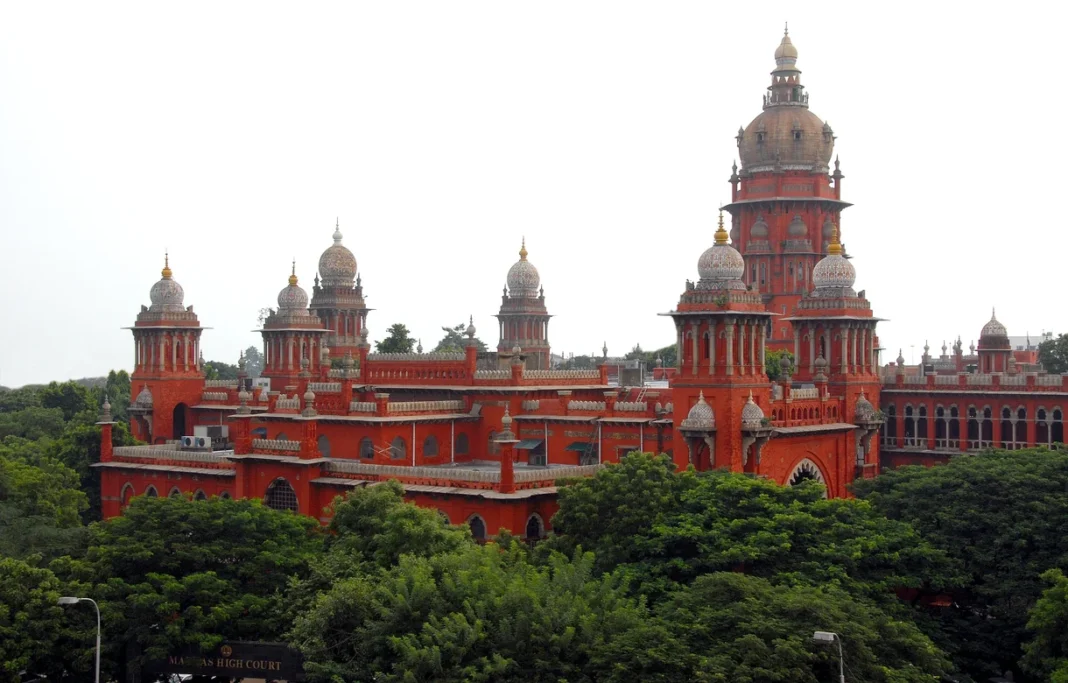
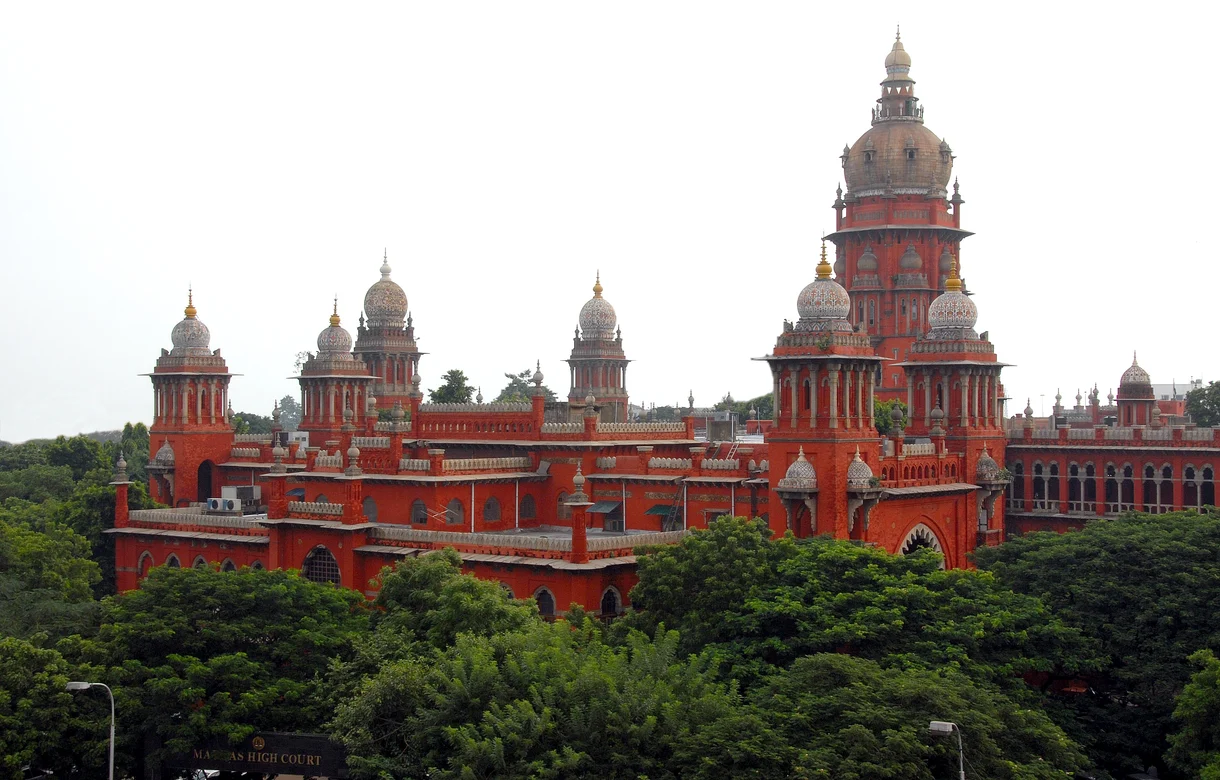
The Madras High Court has clarified that when religious events are conducted under state supervision, they must reflect constitutional values and not reinforce caste distinctions. The ruling came in response to a challenge against the inclusion of caste identifiers in invitations issued for a temple festival managed by the Hindu Religious and Charitable Endowments (HR&CE) Department.
Justice Bharatha Chakravarthy observed that any state involvement in religious administration carries a constitutional responsibility. The Court stressed that caste-based distinctions undermine the guarantee of equality enshrined in Article 14 of the Indian Constitution. It noted that the State should work toward eliminating caste divisions rather than allowing them to persist in official or quasi-official functions.
The petition was filed by N Samaran, who objected to caste names appearing on festival invitations connected with Arulmigu Kandhasamy Thirukovil. The petitioner also sought regulatory measures concerning the manner in which individuals were permitted to carry the temple deity during processions.
Although the authorities submitted that invitations for the present year had already been printed and that caste names were not formally endorsed by the temple administration, the Court directed that from future festivals onward, caste suffixes must not be included in invitation materials. Only personal names, without caste markers, should be used.
However, the Court declined to issue directions regarding the handling of the idol during processions. It reasoned that such matters are typically managed by volunteers and temple authorities, and judicial intervention in that aspect was unnecessary.
Through this judgment, the Court reinforced the principle that state-linked religious activities must adhere to constitutional mandates of equality and should not contribute to sustaining caste-based divisions.


