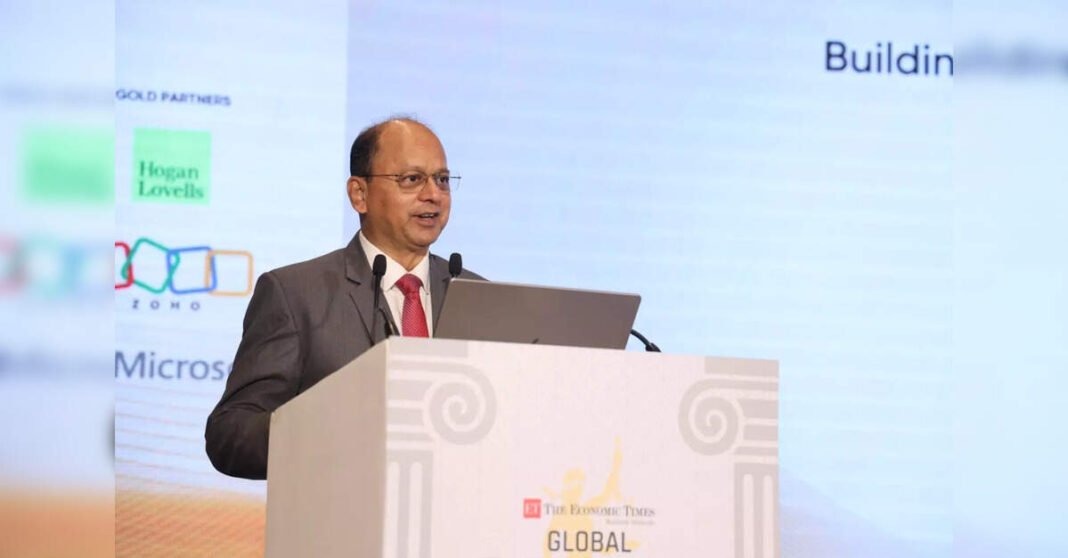
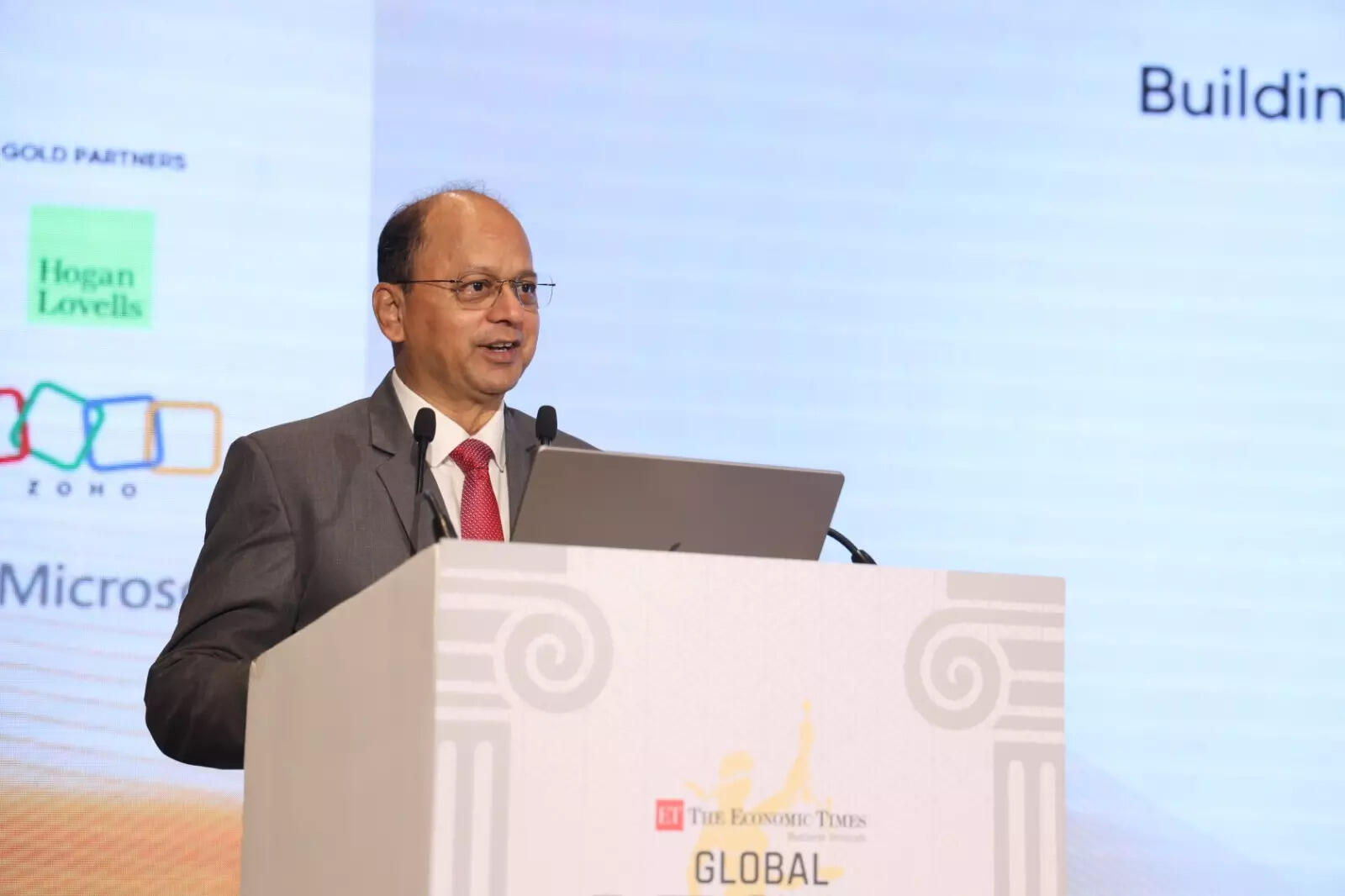
The rapid integration of technology into the justice system is reshaping how courts function, but the core principles of judicial reasoning and human empathy must remain central, said Justice Ravindra Vithalrao Ghuge, Judge, Bombay High Court, during his inaugural keynote address at the ET Global Legal Convention 2026. Speaking on the theme “Reimagining Justice in the Digital Age: Building Trust in a Technology-Driven Judicial System,” Justice Ghuge emphasised that while digital tools can enhance efficiency and accessibility, they must complement, rather than replace, the human foundations of justice.Reflecting on the judiciary’s response during the COVID-19 pandemic, Justice Ghuge noted that Indian courts continued to function without interruption despite nationwide lockdowns. “During the COVID pandemic, the courts in India did not close even for a single day. This is a remarkable achievement for a country of 145 crore people,” he said, describing how virtual hearings, video conferencing facilities, and protective courtroom arrangements enabled the justice system to remain operational at a critical time.
Justice Ghuge also highlighted how technological evolution has transformed legal practice over the decades. Where lawyers once relied on physical law libraries and manual references, digital databases and online platforms now provide instant access to judgments and legal precedents. “Earlier, lawyers would climb ladders to retrieve law reports from shelves. Today, the younger generation simply clicks a mouse and the judgment appears instantly,” he remarked, illustrating the dramatic shift in legal research and court processes.
However, he cautioned that technological advancement must not erode the human and constitutional foundations of the judiciary. According to him, while artificial intelligence can assist in legal research, data analysis, and administrative efficiency, it cannot replace judicial discretion. “Technology can augment the judicial mind, but it cannot replace the conscience,” he said, stressing that empathy, moral reasoning, and contextual understanding remain essential elements of judicial decision-making.
Justice Ghuge further underscored that trust in the justice system is built through accessibility, transparency, and fairness. Initiatives such as e-filing systems, digital case management, online cause lists, and live-streaming of court proceedings are helping make the judiciary more accessible to citizens across the country. “Every citizen has a right to see what happens in courts. Transparency builds trust,” he noted, highlighting how live-streaming and digitization are strengthening the principle of open justice.
Concluding his address, Justice Ghuge called for closer collaboration between judges, lawyers, technologists, and policymakers to ensure that digital transformation strengthens the justice delivery system while safeguarding constitutional values. As courts embrace technology, he said, the ultimate goal must remain clear: building a justice system that is efficient, transparent, and deeply humane.
The third edition of ETLegalWorld’s Global Legal Convention 2026 brings together India’s top legal minds for a deep dive into how digital technology is transforming the profession. The two-day event began on March 13 and will conclude on March 14, 2026, at the Four Seasons Hotel in Mumbai.
Panel sessions aligned today will explore CEO-GC partnerships in legal markets, regulatory compliance burdens, AI ethics in law, AI for disclosures, legal-business alignment, global board expectations, AI governance, women leaders, cross-border deals, policy influence, and M&A challenges.