

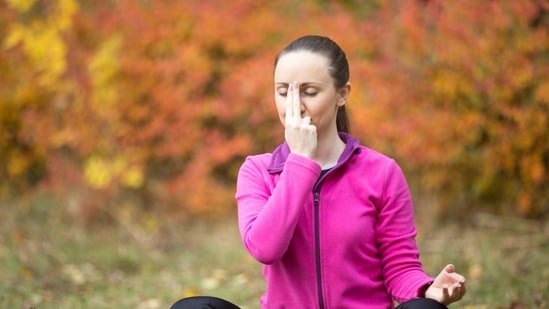
Are you feeling stressed or anxious? Breathing techniques can come to your rescue. Because they are involuntary, you don’t pay much attention to them, but when done with intention, they are powerful in calming you down during stressful situations, whether it is an exam, a client presentation, tight deadlines, or everyday stressors. Conscious breathing helps to reduce anxiety and improve focus.

Just a few minutes of intentional breathwork can ease stress, and when practised daily, it offers significant long-term benefits.
HT Lifestyle reached out to Palak Dengla, chief physiotherapist at Aster RV Hospital, Bengaluru, who shared some breathing techniques that can help improve focus and calm the mind when emotions feel overwhelming.
She stated that it is critical to regulate stress through proper breathing technique. Prolonged stress poses a serious threat to your health. She said, “Elevated cortisol levels caused by chronic stress promote low-grade inflammation, a silent contributor to major health issues such as hypertension, type 2 diabetes, thyroid imbalances, chronic neck and back pain, digestive disturbances, insomnia, and fatigue.”
But breathing can help break the cycle between inflammation and the nervous system. How? Palak explained, “Slow, conscious breathing shifts the body from sympathetic overdrive to parasympathetic calm, lowering stress hormones, improving circulation, and enhancing recovery.”
5 powerful breathing techniques
1. Diaphragmatic breathing (abdominal breathing)
- Inhale through the nose, letting the abdomen rise.
- Uses the diaphragm correctly, reduces blood pressure and heart rate and promotes relaxation.
- Also known as belly breathing.
2. Box breathing
- Inhale, hold, exhale, and hold- each for 4 counts.
- Calms the nervous system, reduces stress, stabilises heart rate, and improves focus; great for high-pressure situations.
3. Alternate nostril breathing
- Breathe in through one nostril, out through the other, then switch.
- Leads to emotional and neurological balance, along with balancing the brain hemispheres.
4. 4-7-8 breathing
- Inhale for 4 counts, hold for 7, exhale for 8.
- Activates parasympathetic calm via the vagus nerve, reduces anxiety, and promotes deep relaxation.
5. Humming (Bhramari-inspired) breathing
- Inhale normally, exhale with a gentle hum.
- Improves sinus ventilation, stimulates vagal tone for deep relaxation.
When to do breathing exercises?
The physiotherapist outlined the benefits of slow breathing techniques, which include improved heart rate variability and oxygen delivery, enhancing memory, focus, cognitive clarity, and productivity. She also shared the best times to practice these techniques to gain maximum benefits:
- 5 minutes on waking
- 5 minutes before sleep
- 2–3 minutes during stress
Note to readers: This article is for informational purposes only and not a substitute for professional medical advice. Always seek the advice of your doctor with any questions about a medical condition.