

[ad_1]

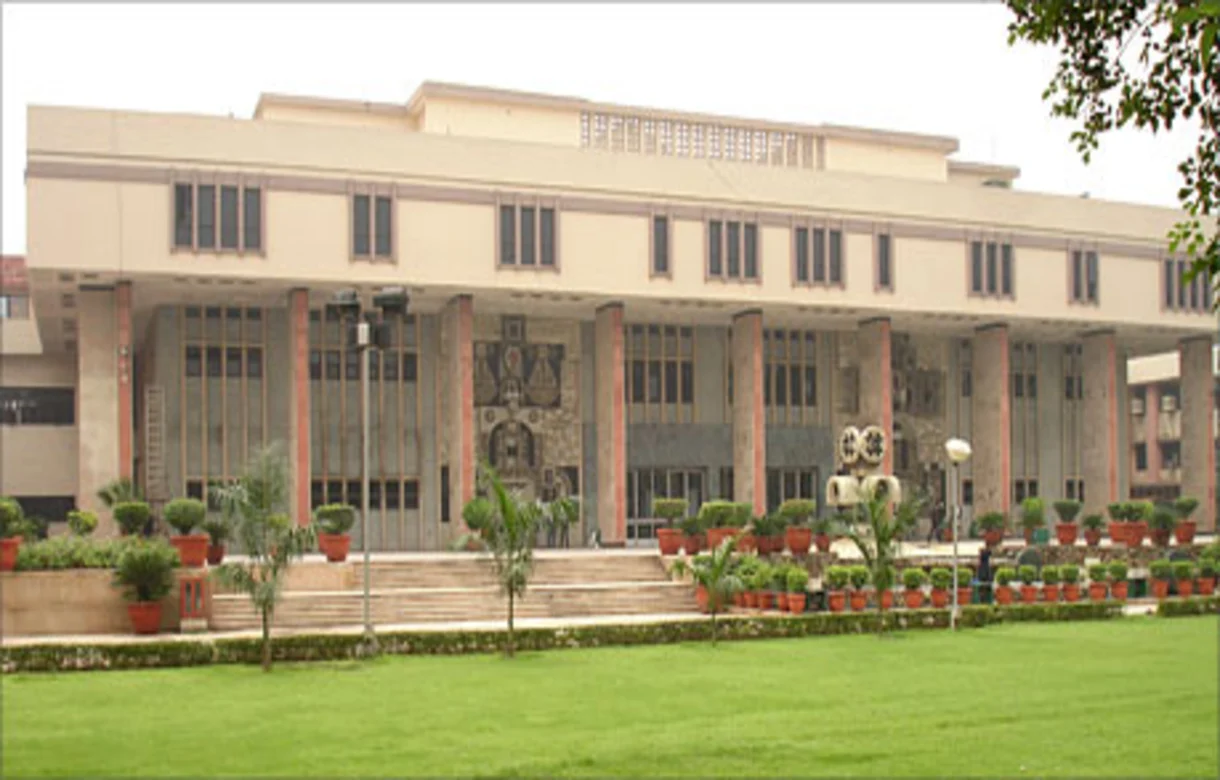
The Delhi High Court on Monday declined the petition filed by Aam Aadmi Party (AAP) national convenor Arvind Kejriwal and others seeking the recusal of Justice Swarana Kanta Sharma from hearing the liquor policy case.
Justice Sharma held that the allegations of bias were not supported by any evidence. She observed that judges were presumed to act impartially, and that anyone seeking recusal must show clear and reasonable grounds to rebut that presumption. In this case, the applicants failed to meet that standard.
The Court held that the plea was based on suspicion and conjecture rather than demonstrable facts. It cautioned that accepting such claims could erode public trust in the judiciary and create an undesirable precedent.
Justice Sharma said that the petitioner had put the institution of judiciary on trial, adding that she chose the path to resolve the controversy. The judge said she had written the order without being affected by anything. The strength of the judiciary was in its strong resolve to decide the acquisitions, she noted.
Over the issue of attending events organised by the Akhil Bharatiya Adhivakta Parishad (ABAP), she observed that these were professional and academic interactions related to law. She said participation in events, such as programmes on new criminal laws, on women’s day, or the interaction with younger members of the bar, could not be treated as evidence of ideological bias, especially when similar engagements were common among judges.
Addressing concerns about her children being part of the Central government’s panel counsel, the judge said that the petitioner should clearly demonstrate the conflict of interest in the case being heard. The litigant failed to show the impact of that on the decision-making power of this court.
Justice Sharma observed that family members of judges could not be restricted from pursuing legal careers. This would amount to taking away their fundamental rights, she noted, adding that none of her children was associated with the liquor policy case.
The High Court also rejected the argument that a litigant’s apprehension alone was sufficient for recusal. A lie, even if repeated a thousand times in court or on social media, would not become the truth. Truth did not lose its force merely because a lie was repeated several times, it added.
The Court observed that the plea appeared to question the integrity of the institution itself and warned against attempts to influence proceedings through unverified claims or public narratives. It also pointed out that no allegations of bias were raised when earlier orders in related matters were favourable to the applicants.
It further pointed out that statements made by political figures outside court could not be a ground for seeking recusal, as the judiciary had no control over such remarks.
Noting that the threshold for establishing a reasonable apprehension of bias had not been met, the High Court dismissed the applications. It added that stepping aside without valid reasons would affect the credibility of the judicial process and amount to a failure to discharge judicial duty.
A trial court had discharged Kejriwal and several others in the excise policy case earlier this year. The Central Bureau of Investigation challenged that decision before the High Court, where the matter is currently pending.
The High Court had issued notice in the appeal, stayed certain directions against the investigating officer, and made preliminary observations on the trial court’s findings. Following this, Kejriwal and other accused, including Manish Sisodia and Vijay Nair, sought the judge’s recusal.
[ad_2]
Source link

