


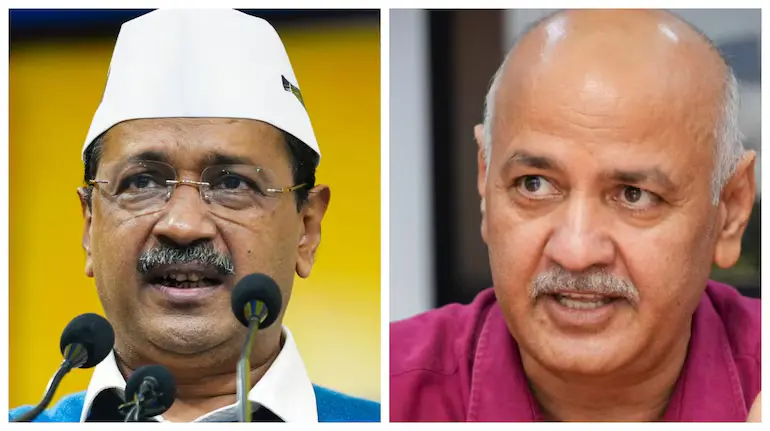

A Special Court in Delhi has brought the Central Bureau of Investigation’s prosecution in the excise policy matter to a close, discharging all twenty-three accused persons, among them former Delhi Chief Minister Arvind Kejriwal and former Deputy Chief Minister Manish Sisodia.
The proceedings arose from allegations surrounding the formulation and implementation of the now-scrapped 2021–22 Delhi excise policy. The Central Bureau of Investigation had alleged irregularities, criminal conspiracy and corruption in the design of the policy, asserting that it conferred undue benefits upon certain private stakeholders.
In a detailed order, the trial court declined to frame charges, holding that the material placed on record did not disclose sufficient grounds to proceed to trial. The judge underscored that criminal law demands more than suspicion or political controversy; it requires cogent and legally admissible evidence capable of establishing a prima facie case. In the absence of such substantiation, continuation of proceedings would amount to an abuse of process.
The court is understood to have found notable inconsistencies within the prosecution’s case theory, particularly with respect to the alleged conspiracy. It observed that statements relied upon by the investigating agency did not, when scrutinised collectively, establish a coherent chain of circumstances implicating the accused in criminal wrongdoing. Mere inference, the court emphasised, cannot substitute for proof.
The discharge order effectively terminates the case at the trial stage, unless overturned in appellate proceedings. The CBI has indicated that it may seek further judicial review of the ruling.
For Kejriwal and Sisodia, the decision represents a significant legal reprieve in a matter that has dominated political discourse for months. The court’s reasoning reiterates a foundational principle of criminal jurisprudence: that the liberty and reputation of individuals cannot be imperilled absent credible evidence meeting the threshold prescribed by law.