


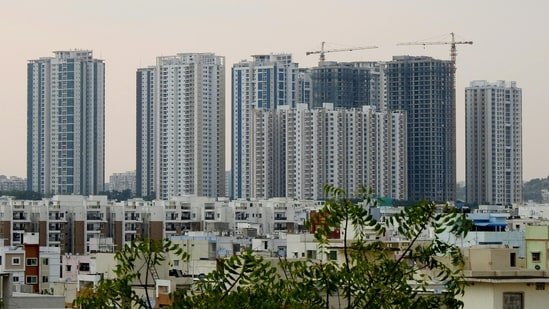

Amid the ongoing US-Israel-Iran conflict and rising inflation concerns, home purchase decisions are slowing as buyers adopt a wait-and-watch approach, brokers say. At the same time, discussions on social media show prospective homebuyers questioning whether it is prudent to take on long-term home loans amid rising oil prices and inflation concerns. “Buying a flat at the brink of war… worth the commitment?” a Reddit user asked.

A Bengaluru-based entrepreneur, who had been actively looking to buy a ₹4–5 crore villa in the tech capital, recently chose to postpone the purchase by a few weeks following the latest geopolitical developments.

“Decision-making has slowed slightly in the last few days,” said a Bengaluru-based broker involved in the transaction. “There are multiple concerns right now, from the impact of artificial intelligence on jobs to broader economic uncertainty and the current geopolitical situation. When these events happen, buyers sometimes take a short pause before proceeding,” the broker said.
Buyers weigh the risk of loans and inflation
In online discussions, several potential buyers are debating whether the current global environment makes it risky to commit to large property purchases. In one of the discussions on Reddit, a user asked whether buying a home during a period of rising oil prices and geopolitical uncertainty was financially prudent. “Oil prices have now crossed $100 per barrel… historically, this means inflation is coming,” the user wrote, questioning whether real estate purchases like homes should be postponed.
Another user shared a more specific dilemma about purchasing a ₹1.63 crore apartment in Undri in Pune. The 28-year-old prospective buyer said he was planning to make a ₹70 lakh down payment and finance the rest through a home loan at about 7.2% interest, while earning roughly ₹1.6 lakh per month in take-home salary. “Buying a flat at the brink of war… worth the commitment?” the user asked.
Also Read: Dubai real estate: Will mid-segment properties face pressure amid the US–Israel–Iran war?
Will inflation push up construction costs?
Real estate experts say rising energy prices, particularly for LPG, diesel, and electricity, could gradually push up construction costs across the real estate sector, which may eventually be reflected in property prices.
According to Kanika Gupta Shori, founder and COO of Square Yards, energy inflation directly affects multiple parts of the construction value chain. “LPG, diesel and electricity influence several cost heads, including cement production, steel manufacturing, brick kilns, transportation of materials and on-site construction activities,” she said. “When energy prices rise, developers experience input cost pressure, which often translates into higher project costs.”
Shori noted that developers may initially try to absorb part of these cost increases to avoid affecting demand, particularly in price-sensitive housing segments. However, if higher energy prices persist for a longer period, the impact typically begins to show in the pricing of new projects and upcoming launches.
“From a data perspective, construction cost indices usually respond with a lag of one to two quarters after sustained increases in energy prices,” she said, indicating that the effect may become visible over the coming months if the current trend continues.
Can real estate act as a hedge against inflation?
At the same time, experts say real estate has historically acted as a partial hedge against inflation, especially in cities where housing demand is supported by employment growth and urbanisation. Shori explained that rising land prices and construction inputs often support property values over time.
Other factors, such as limited ready-to-move-in housing supply in high-demand micro-markets and rising rental values in major employment hubs, also help sustain property prices during inflationary cycles, she said.
“For end-users with stable income and a long-term holding horizon, buying earlier can sometimes help protect against future price escalation and rising construction costs,” she said. However, she cautioned that financing conditions remain an important factor in such decisions. “In such situations, buyers need to balance two things: rising property prices and the cost of borrowing through home loans.”
(Disclaimer: This report is based on user-generated content from social media. HT.com has not independently verified the claims and does not endorse them)