


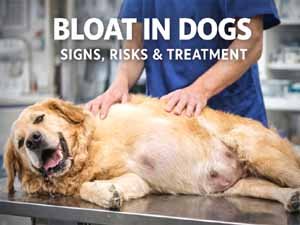
Not only humans but also the dogs suffer from bloating. Bloat in dogs is an extremely painful and dangerous condition for these animals. Bloating can happen anytime and any dog can become bloated due to various reasons. So, it is very important to recognize the symptoms of bloating and take necessary steps for preventing it.
What is bloat in dogs?
Bloat in dogs is a very uncomfortable and painful condition for dogs in which food or gas stretches a dog’s stomach and cause abdominal pain. Bloating is typically more common in large dog breeds or in deep-chested dogs. Actually, any dog breed of any size can develop bloat.
A dog’s stomach begins to expand during boating, or distend, and cuts off blood flow to the abdomen as well as the stomach itself. Bloat in dogs may also cause injury or death of the stomach wall. Bloating can also put pressure on the diaphragm, a thin muscle that separates the chest from the abdomen. And this can cause difficulty breathing in dogs.
When severe cases of bloat occurs, a dog’s stomach flips, or twists, and fills with gas. This is called gastric dilatation and volvulus (GDV). Bloat in dogs with GDV cuts off blood flow to a dog’s stomach and the lower half of their body. And this make it impossible for food to pass into the intestine. A dog’s stomach can rupture in extreme cases of GDV, and the spleen can also be injured.
However, all the cases of bloat in dogs are medical emergencies, and require veterinary intervention for determining the severity. And a dog with GDV will die within hours if untreated. And if treated immediately, they are often curable.

Symptoms
There is no single symptom of bloat in dogs. The most common symptoms of bloat in dogs include abdominal swelling, rapid heart rate, dry-heaving (also called retching), sudden anxiety, pacing, and inability to get comfortable or constantly moving around the room/house, positioning the body in a downward-facing pose, panting and drooling, collapse, pale gums etc.
Causes
Once again, there is no single cause of boat in dogs. Actually, it is unknown why bloat and GDV occurs in dogs. Bloat can cause and can affect in any dog. Although, there are some reasons or suspected risk factors that can increase the chance of bloat in dogs.
Bloat can happen if your dogs ingest large amounts of food or water too quickly. Heavy dogs typically suffer by bloating as compared to light weight dogs. Male and older dogs also suffer more than the younger and female dogs. Large breed and the dogs with deep chest suffer more. Some dogs with family history of bloating also suffer from bloating.
Treatment
Bloat is absolutely curable if caught in time. Although, the treatment of bloat in dogs depend on the severity, and there are no home remedies for bloat in dogs. Dogs with simple bloat are usually hospitalized to receive of intravenous fluids and medication for pain or nausea as needed. Sometimes, the dogs are also walked to stimulate movement of the gastrointestinal tract to help move the gas and food quickly through the body.
A dog with GDV requires more intense care including IV fluids, pain medications and antibiotics, trocharization, electrocardiogram, and even surgery if needed.
After diagnosis and treatment, dogs with simple bloat tend to bounce back into their normal lives and routines one to two days after receiving fluids and taking frequent walks. However, follow your vet’s recommendation and instruction regarding your dog’s care. Hope this guide has helped you! Consider sharing it with your friends and family members if you find it helpful. Good luck & may God bless you!