
Last updated: July 2026
To fold an official letter properly, use the standard tri-fold method: place the document face-up, fold the bottom third upward, then fold the top third down over it. This creates three equal panels with the letterhead visible when opened. For legal documents, always fold with the text facing inward to protect confidential information during mailing.

The way you fold and mail legal correspondence matters more than most attorneys realize. A poorly folded document can jam automatic mail sorters, delay delivery, or project unprofessionalism. Courts, opposing counsel, and clients notice these details.
This guide covers the standard methods for folding legal documents, specialty techniques for different envelope sizes, and the unwritten rules that separate careful practitioners from careless ones.
Why Proper Folding Matters for Legal Mail
Legal documents carry deadlines, confidential information, and professional reputation. Incorrect folding can cause multiple problems.
Mail processing machines read addresses through envelope windows. If your fold places text instead of the address in the window, the letter goes to manual processing. That adds 1-3 days to delivery time. When you are mailing a notice with a response deadline or a court filing with a postmark requirement, those days matter.
Folding also affects confidentiality. Legal correspondence often contains privileged attorney-client communications, settlement terms, or personal information. Folding with text facing outward risks exposure if the envelope tears or opens during transit.
Finally, presentation signals competence. A crisp, properly folded letter in a matching envelope suggests attention to detail. A wrinkled, unevenly folded document stuffed into an envelope suggests the opposite.
How Do You Fold an Official Letter Using the Standard Tri-Fold?
The tri-fold is the universal standard for 8.5 x 11 inch letters going into standard #10 business envelopes (4.125 x 9.5 inches). Here is the step-by-step process.
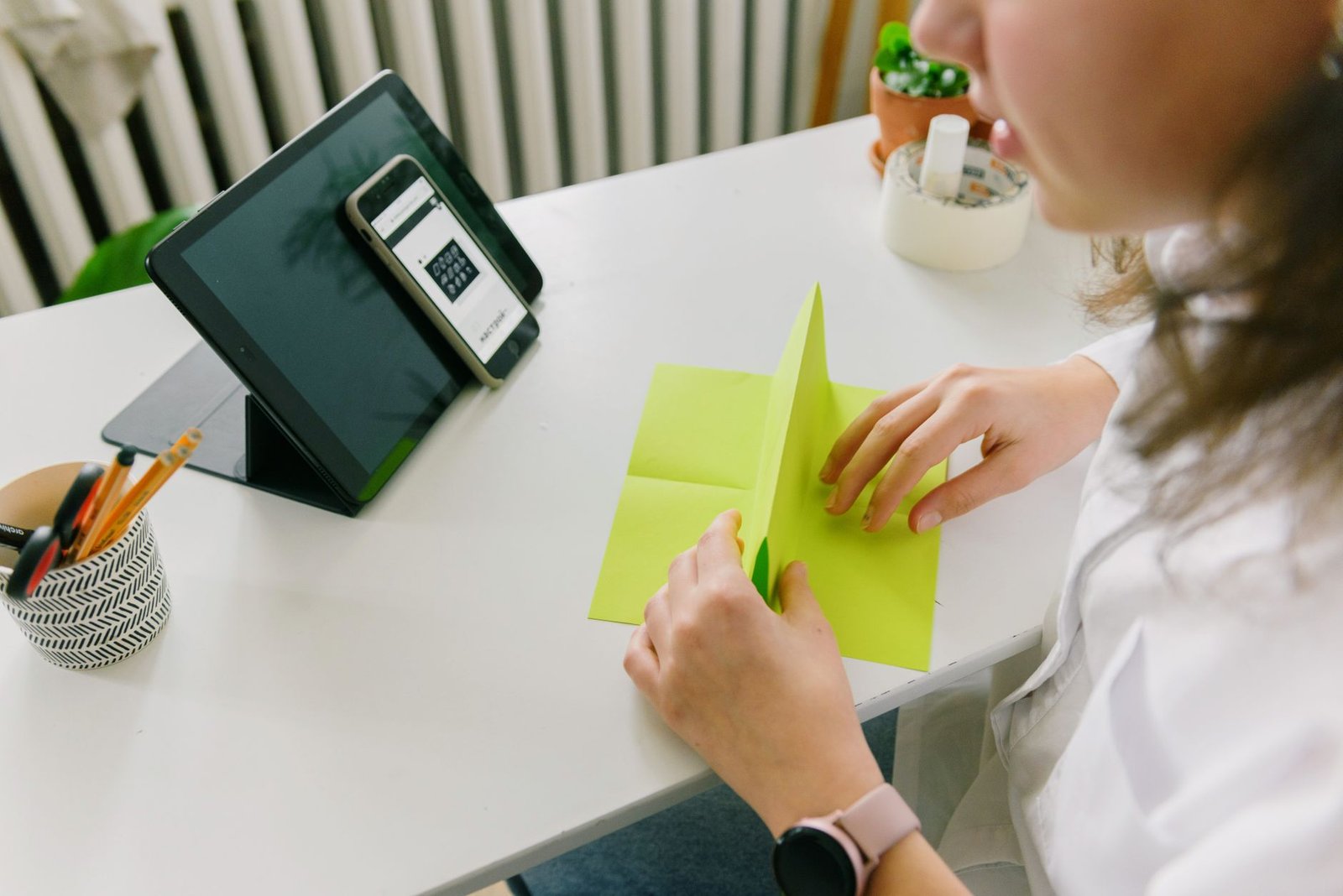
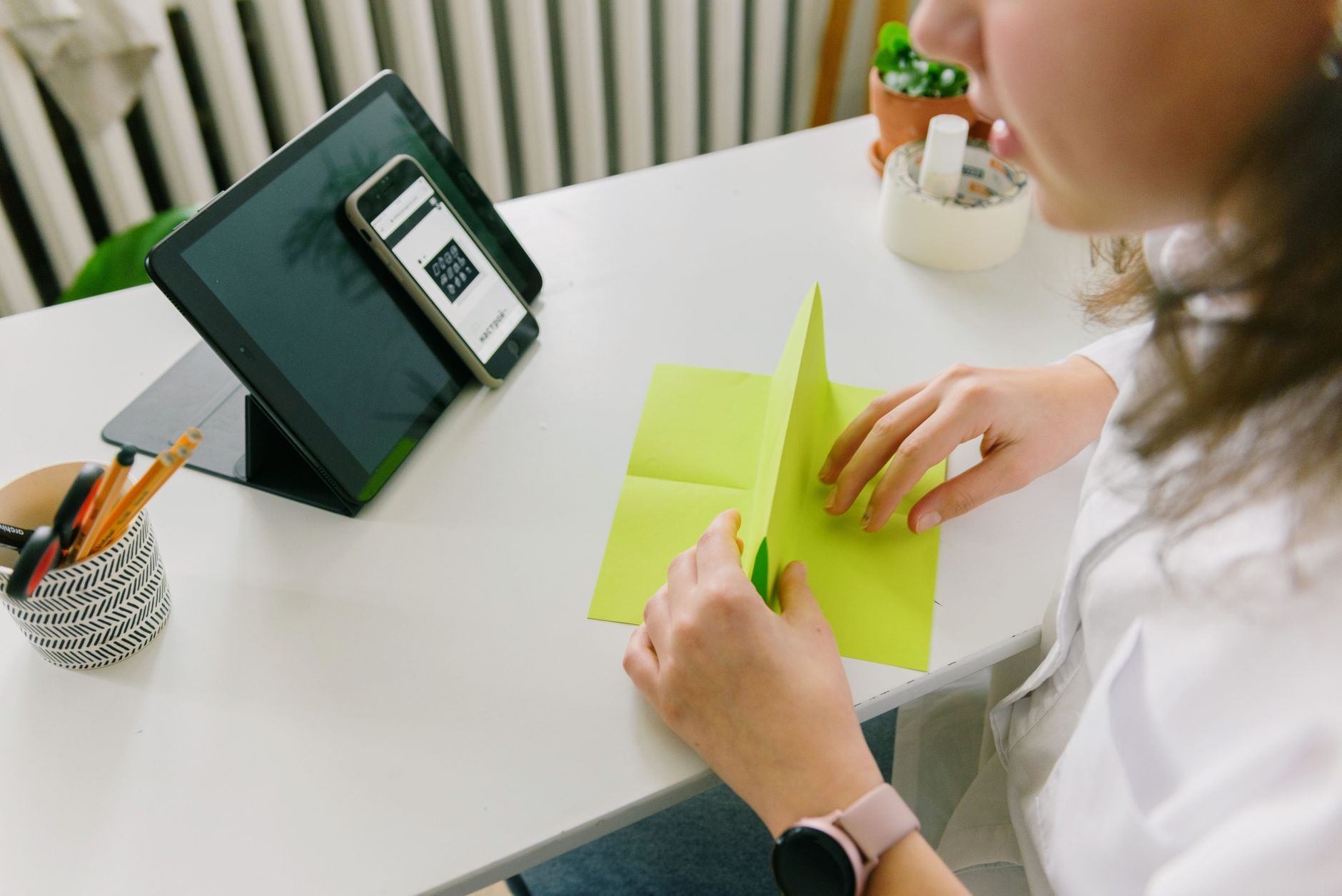
Place the document face-up on a flat surface with the letterhead at the top. Bring the bottom edge up so it sits about one-third from the top, leaving a slight margin. Crease firmly with your thumb or a bone folder.
Now fold the top third down over the first fold. The letterhead should be the last thing you see before the final fold, and the first thing visible when the recipient opens it. Crease this fold firmly as well.
The finished letter should measure approximately 3.67 inches tall and fit easily into the envelope with the open edge inserted first. The recipient pulls the letter out, unfolds the top flap first, then the bottom, and sees your letterhead right-side up.
For multi-page letters, stack all pages in order before folding. Never fold pages individually. The packet should feel like a single document.
Folding Techniques for Different Envelope Types
Not all legal mail fits the standard tri-fold pattern. Different envelopes require different approaches.
| Envelope Type | Dimensions | Fold Method | Best Use |
|---|---|---|---|
| #10 Business | 4.125 x 9.5 inches | Standard tri-fold | Most legal correspondence, demand letters |
| #9 (Reply) | 3.875 x 8.875 inches | Tri-fold with tighter margins | Return envelopes, brief replies |
| 6 x 9 Booklet | 6 x 9 inches | Single horizontal fold or Z-fold | Contracts, multi-page filings |
| 9 x 12 Flat | 9 x 12 inches | No fold (flat mailing) | Court pleadings, documents requiring original signatures |
| Window Envelope | Varies | Fold so address shows in window | Billing statements, form notices |
For 6 x 9 envelopes, fold the page in half horizontally with the letterhead on the outside. This works well for short contracts or letters you want to arrive looking less formal.
Flat mailers avoid folds entirely. Use these for documents headed to court, original agreements requiring wet signatures, or anything with exhibits and attachments. Mark the envelope “DO NOT BEND” for added protection.
What About Window Envelopes for Legal Notices?
Window envelopes save time for high-volume mailings like collection notices, billing statements, or form correspondence. The address prints directly on the letter, and the fold positions it in the window.
Most legal billing software and practice management systems include window envelope templates. The address block sits 3-4 inches from the top and at least 0.5 inches from the left edge. When you tri-fold the letter, that block appears centered in the window.
Always print a test copy first. Fold it and insert it into an envelope to confirm the entire address shows through the window with no obstruction. Even a slight margin error can hide the ZIP code or apartment number.
One caution: some courts and jurisdictions discourage or prohibit window envelopes for service of process. The theory is that window envelopes look like junk mail and may not convey the seriousness of legal notice. Check local rules before using them for court filings or formal service.
Special Considerations for Court Filings and Service
When mailing documents to courts or serving opposing parties, additional rules apply beyond basic folding technique.
Many jurisdictions require flat filing for original court documents. Folded pleadings can be rejected by clerks or damage document scanners. If you must fold a court document for mailing, include a cover letter explaining that an unfolded original has been or will be filed.
For service of process, certified mail and registered mail require specific envelope labeling. Fold the document using the standard method, but leave enough room on the envelope face for the green certified mail receipt. Do not cover the address or barcode with the receipt.
Enclose a certificate of service or proof of mailing with the original, but do not fold them together. The certificate should remain flat and separate so the court clerk can easily detach and file it.
Common Mistakes That Delay Legal Mail
Even experienced legal professionals make folding and mailing errors. Here are the most common mistakes.
Folding with text facing outward exposes confidential content if the envelope opens. Always fold so the printed side faces inward. The blank back of the last page should be the outside surface.
Uneven folds create bulky envelopes that jam in mail sorters. Take time to measure and crease evenly. A ruler or folding template helps for high-volume mailings.
Overstuffing envelopes causes tears and delays. If your letter with enclosures exceeds 0.25 inches thick, move up to a larger envelope or flat mailer. Forcing thick documents into standard envelopes damages both the document and the envelope.
Forgetting to check postage for weight and size costs time and credibility. Legal mail often weighs more than standard letters due to multi-page documents and enclosures. Weigh everything before stamping or using a postage meter.
Using the wrong envelope for the document type signals carelessness. A formal demand letter deserves a business envelope, not a leftover invitation envelope. Match your supplies to the importance of the communication.
Modern Alternatives: When to Skip Physical Mail Entirely
Electronic filing and service have reduced the volume of physical legal mail, but they have not eliminated the need to know how to fold an official letter properly.
Federal courts and most state courts now require e-filing for most document types. Service via email or electronic service platforms has become standard in many jurisdictions. These methods eliminate folding concerns entirely and provide instant proof of delivery.
However, some documents still require physical delivery. Original signatures on certain contracts and affidavits, service on unrepresented parties without email addresses, and mailings to clients or third parties often go through postal mail. Knowing proper folding technique remains relevant.
For high-stakes or time-sensitive physical mail, consider premium services. FedEx, UPS, and USPS Priority Mail provide tracking, faster delivery, and sturdier packaging than standard first-class mail. Many accept flat envelopes, eliminating the need to fold documents at all.
Practical Tips for Law Office Mail Procedures
Consistent mail procedures prevent errors and save time. Here are best practices for legal offices handling regular outbound correspondence.
Create folding templates or use commercial folding guides. These plastic or cardboard templates mark exactly where to fold for different envelope sizes. Staff can fold consistently without measuring each time.
Invest in a tabletop folding machine if you handle high mail volume. These machines fold letters uniformly at adjustable settings. They cost $200-$2,000 depending on capacity and speed.
Designate a clean, flat workspace for mail preparation. Folding on cluttered desks leads to crooked folds and mixed-up enclosures. A dedicated mail station with supplies organized by envelope type reduces errors.
Implement a two-person check for important mailings. One person prepares and folds, another verifies the addressee, enclosures, and postage before sealing. This catches mistakes before they leave the office.
Keep a mail log for time-sensitive and certified items. Record the date mailed, method, recipient, tracking number, and deadline. This creates evidence of timely mailing if delivery is later disputed.
Frequently Asked Questions
Should legal documents be folded with the text facing in or out?
Always fold legal documents with the text facing inward to protect confidential information. The blank back of the page should be the outer surface when folded. This prevents exposure of privileged content if the envelope tears or opens during transit.
Can you fold court pleadings before mailing them?
Check local court rules first. Many courts prefer or require flat filing for original documents to prevent damage to scanning equipment. If you must fold for mailing, use a tri-fold method and consider including a note that the original will be filed flat.
What is the best fold for window envelopes?
Use a standard tri-fold positioned so the address block shows completely through the window. Print a test copy first and verify the entire address, including ZIP code, is visible without obstruction. The address block typically sits 3-4 inches from the top of the page.
Do law firms use folding machines or fold by hand?
Both methods are common. Small firms and solo practitioners typically fold by hand for occasional mailings. Larger firms with high-volume billing or client communications often use automatic folding machines to ensure consistency and save time. Machines cost $200-$2,000 depending on features.
Is it unprofessional to send legal letters without folding them?
Not at all. Flat mailing in 9 x 12 envelopes is often more professional for important documents like contracts, demand letters, or court filings. Flat mail arrives crisper and signals the significance of the contents. Reserve folded mail for routine correspondence.
Conclusion
Knowing how to fold an official letter correctly is a small skill with outsized impact in legal practice. The standard tri-fold method works for most business correspondence, while specialty folds and flat mailing serve different document types and purposes.
Proper folding protects confidentiality, ensures timely delivery, and projects professionalism. Whether you are mailing a demand letter, serving a complaint, or sending a client update, taking time to fold and package documents correctly demonstrates the care and competence clients expect from their legal counsel.
LEGAL DESIRE NEWSLETTER
Where the legal industry reads first.
Enjoyed this article? Get the biggest legal industry updates, deals, appointments, insights and expert interviews in your inbox, free.
No spam. Unsubscribe anytime.

