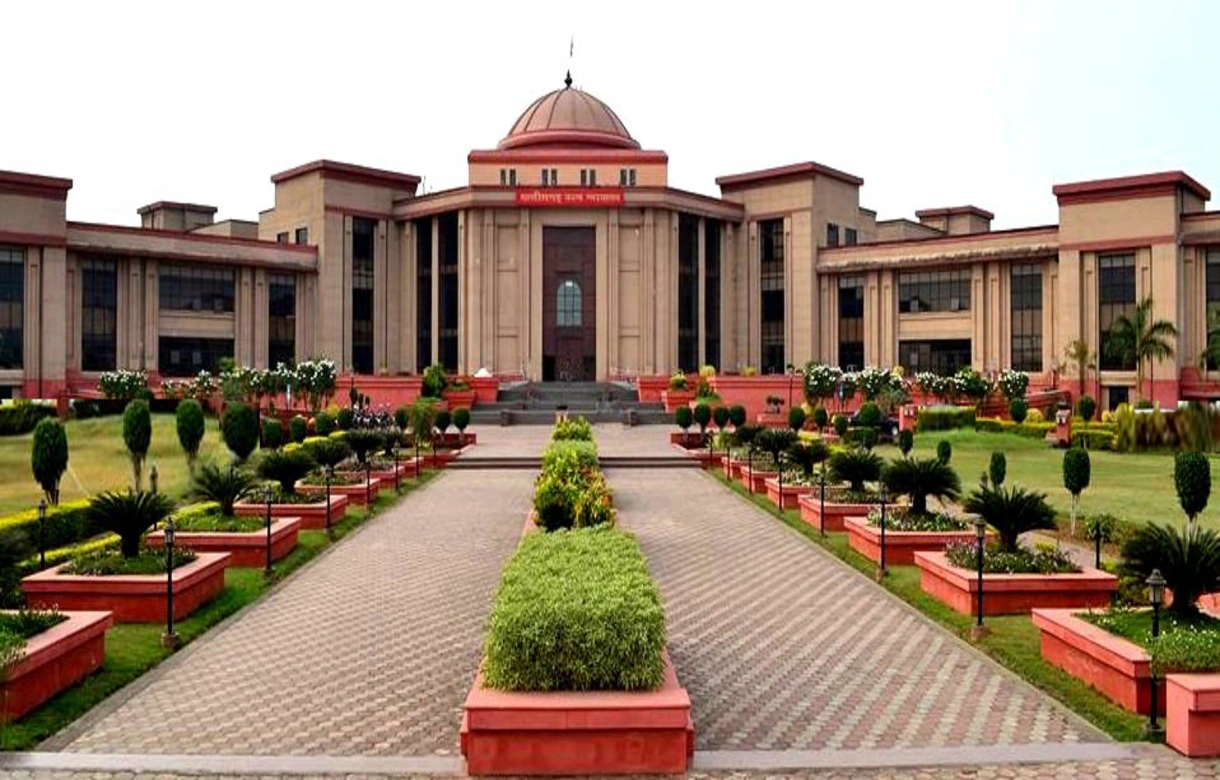

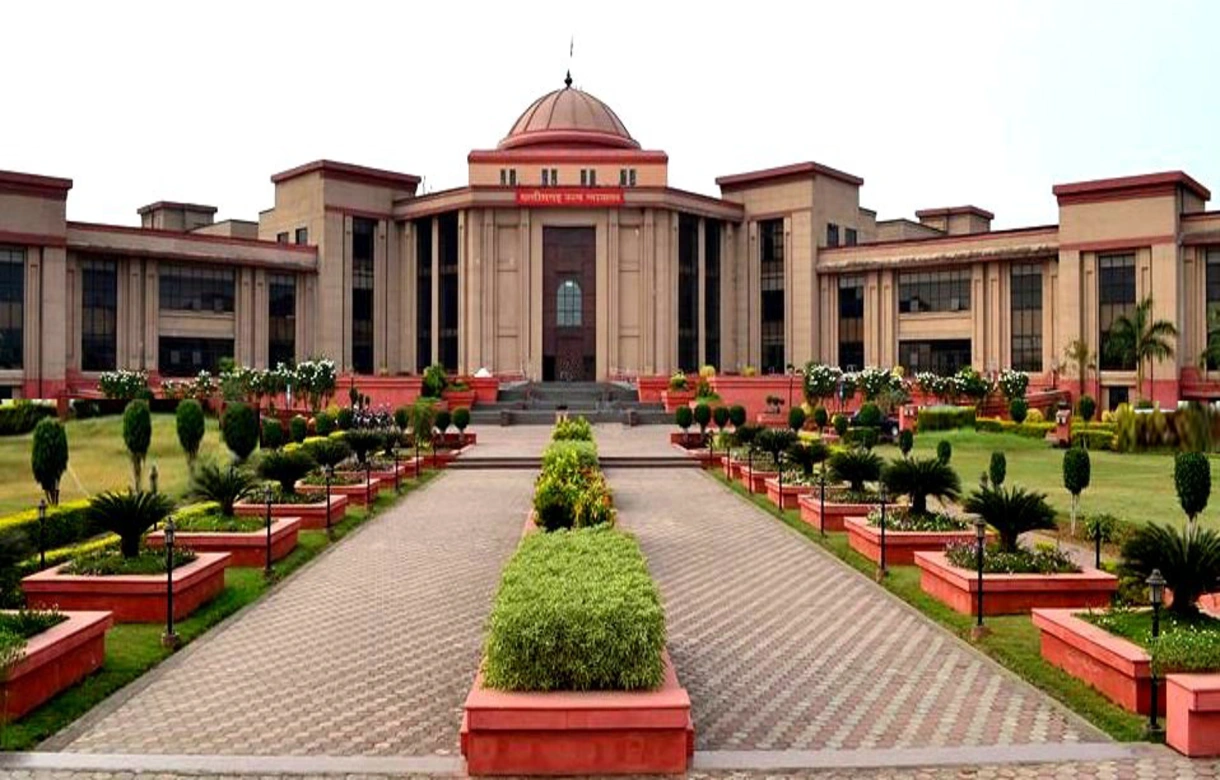

The Chhattisgarh High Court has dismissed a petition challenging a state government circular directing government schools to recite Saraswati Vandana, Gayatri Mantra, Guru Mantra and other prayers during morning assemblies, holding that the challenge was premature as there was no evidence that students were being compelled to participate.
A single Bench of Justice Amitendra Kishore Prasad passed the order while hearing a petition filed by former Chhattisgarh Waqf Board chairman Abdul Salam Rizvi, former Minority Department chairman Mahendra Chhabda and Bilaspur-based social activist Shafique Ahmed, who questioned the constitutional validity of the School Education Department’s circular dated June 12.
The Court held that a plain reading of the circular did not reveal any mandatory or coercive direction requiring students to take part in the prescribed recitations against their religious beliefs or conscience.
Dismissing concerns over the school prayer circular, the Court noted that a careful review of the order reveals no coercive language forcing students to violate their personal faith or conscience. The Bench emphasized that the directive does not interfere with fundamental, constitutionally protected freedoms of religion.
The High Court also rejected the argument that the circular violated Article 28(1) of the Constitution, which prohibits religious instruction in educational institutions wholly funded by the State.
The Court clarified that the expression “religious instruction” under Article 28(1) has a limited scope and applies to the teaching of religious customs, rituals and modes of worship. It observed that moral instruction, unconnected with any particular religious denomination, is not prohibited and remains an important part of education aimed at promoting citizenship, social harmony and the rule of law.
The impugned circular directs government schools to include the National Anthem, National Song, Deep Mantra, Saraswati Vandana and Guru Mantra during morning assemblies. It also provides for reading biographies of eminent personalities, reciting the Bhojan Mantra before mid-day meals, and the Gayatri Mantra and Shanti Mantra before students disperse for the day.
The petitioners argued that the circular failed to provide any exemption mechanism for students unwilling to participate in the prayers and violated the constitutional principle of religious neutrality by prescribing prayers associated with one religion while excluding others.
Opposing the plea, the State government submitted that the prescribed verses represented India’s civilisational heritage and universal moral values rather than religious instruction. It argued that the initiative was intended to inculcate discipline, gratitude, environmental awareness and social harmony, adding that the circular had already been implemented without any complaints from students, parents or teachers.
Accepting the State’s submissions, the High Court held that the petitioners had approached the Court solely on the basis of apprehensions and had failed to establish any actual infringement of constitutional rights.
Dismissing the challenge, the Court observed that the petition was entirely premature. The Bench pointed out that the legal action was driven by anticipation of a problem rather than any actual wrongdoing or grievance.
While dismissing the petition, the Court granted liberty to the petitioners to file a fresh challenge in the future if any constitutional violation arises, provided it is supported by cogent and relevant material.

