
[ad_1]


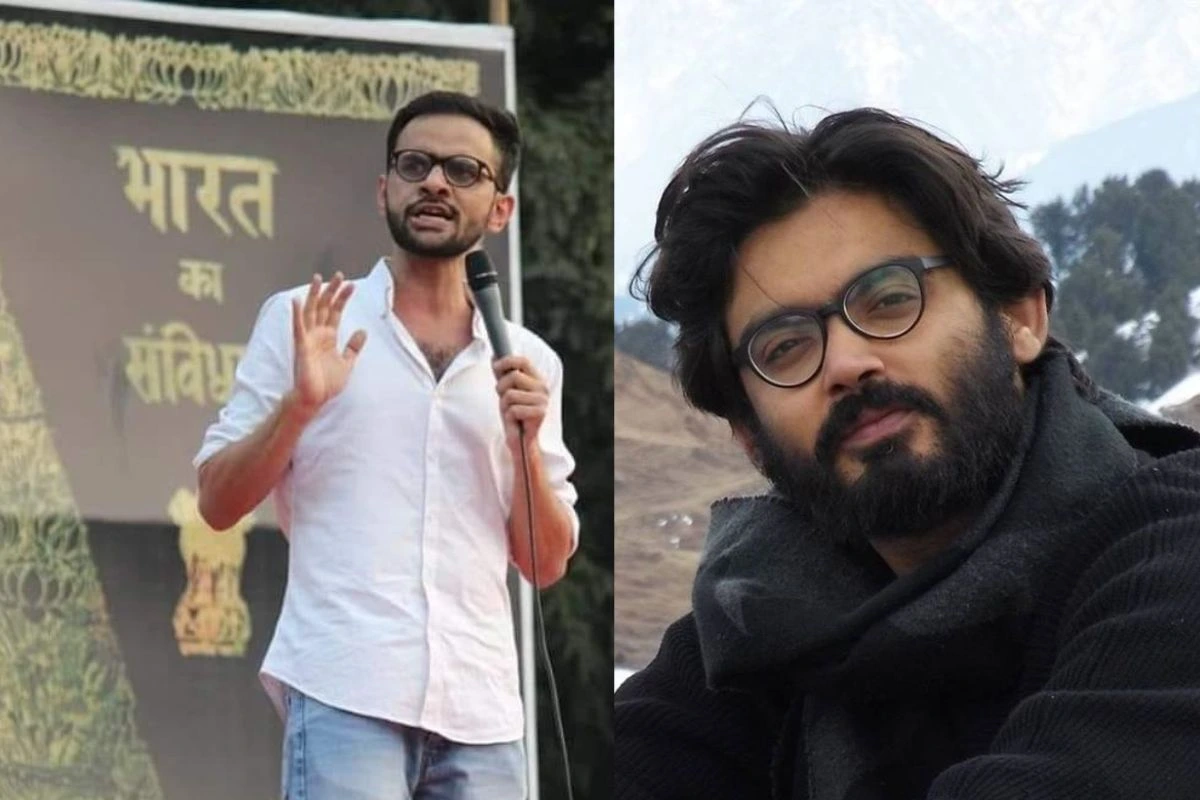
A Delhi court on Saturday rejected the bail applications of former JNU scholar and activist Umar Khalid and activist Sharjeel Imam in the Delhi riots larger conspiracy case.
Additional District Judge Sameer Bajpai of Karkardooma courts dismissed the bail pleas filed by Khalid and Imam, who are accused in the alleged larger conspiracy behind the 2020 Northeast Delhi riots in a case registered under the provisions of the Unlawful Activities (Prevention) Act, 1967.
The two accused, who are in jail, had moved the trial court for bail for the second time. After hearing arguments in the matter, the Court had reserved its order before ultimately rejecting their applications.
In their bail pleas, the accused argued that there had been no significant progress in the case even six months after the Supreme Court’s earlier observations and proceedings in the matter. They also contended that both Khalid and Imam have remained incarcerated for nearly six years.
The fresh bail applications were filed after a subsequent Bench of the Supreme Court expressed reservations over the legal reasoning adopted by an earlier Bench while refusing bail to Khalid and Imam and referred the issue relating to the grant of bail under the UAPA in cases involving prolonged delay in trial to a larger Bench.
They submitted that arguments on charge remain incomplete, charges have not yet been framed, and they have remained in judicial custody for nearly six years without commencement of trial, thereby violating their right to personal liberty under Article 21 of the Constitution.
Senior Advocate Trideep Pais, appearing for Khalid, submitted that while rejecting the earlier bail pleas, the Apex Court had observed that Khalid and Imam could seek fresh bail after one year or upon examination of protected witnesses, whichever occurred earlier.
According to Pais, subsequent judicial developments, particularly the Supreme Court’s observations in the Andrabi case and the order granting interim bail to co-accused Tasleem Ahmed and Khalid Saifi while referring the perceived conflict in UAPA bail jurisprudence to a larger Bench, constitute a significant change in circumstances warranting fresh consideration of Khalid’s bail plea.
Pais further argued that the Apex Court itself had observed in the Tasleem Ahmed case that the trial was unlikely to conclude in the immediate future. He submitted that there was no allegation that Khalid was present at the site of the violence, no recovery of money, weapons or other incriminating material had been effected from him, and the prosecution case rested substantially on witness statements.
He also referred to judicial precedents, including Union of India v. K.A. Najeeb and Vernon Gonsalves v. State of Maharashtra, to contend that statutory restrictions on the grant of bail under the UAPA could not override constitutional guarantees where the trial was unlikely to conclude within a reasonable time.
Appearing for Imam, Advocate Talib Mustafa submitted that the activist had also undergone prolonged incarceration of nearly six years without any substantial progress in the proceedings. He argued that the legality of imposing an embargo restraining the accused from filing fresh bail applications for one year was itself pending consideration before a larger Bench of the Supreme Court.
[ad_2]
Source link

