
[ad_1]

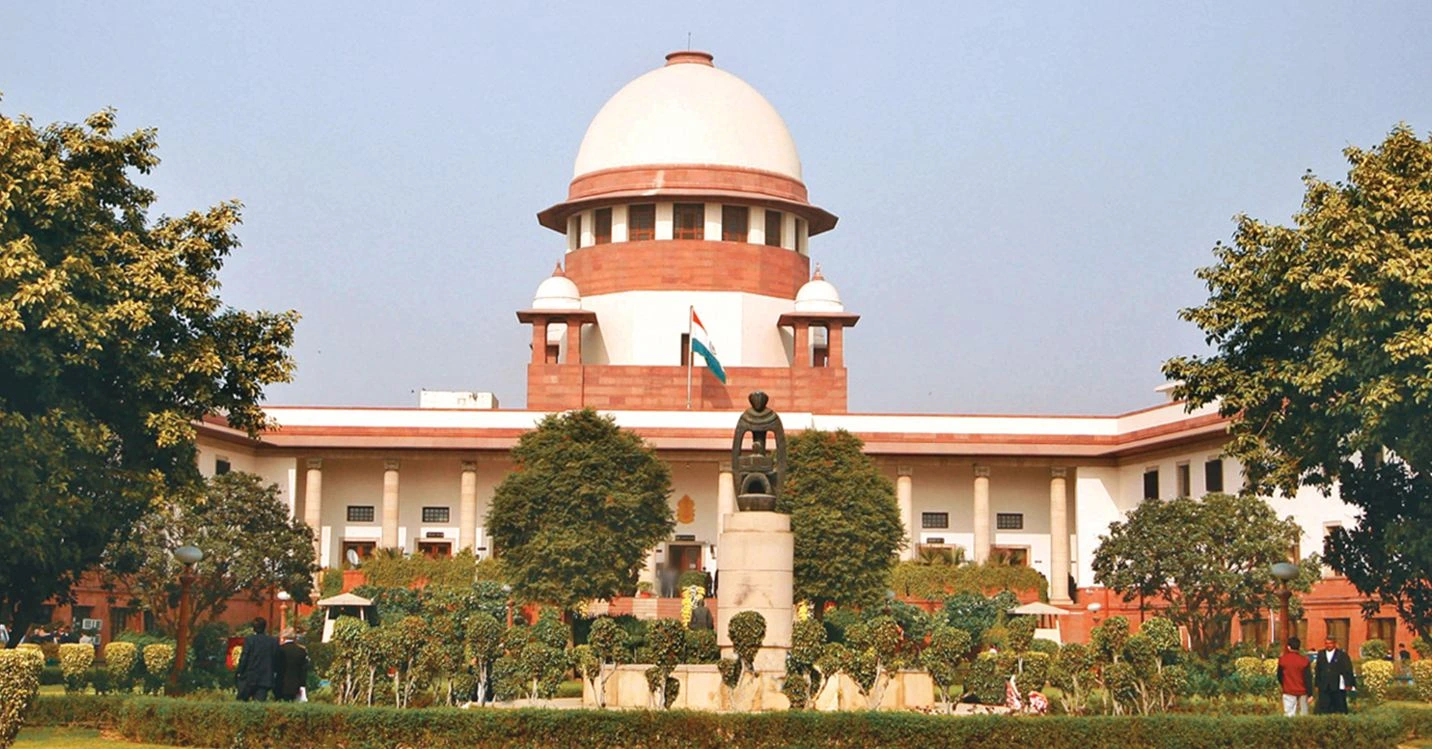
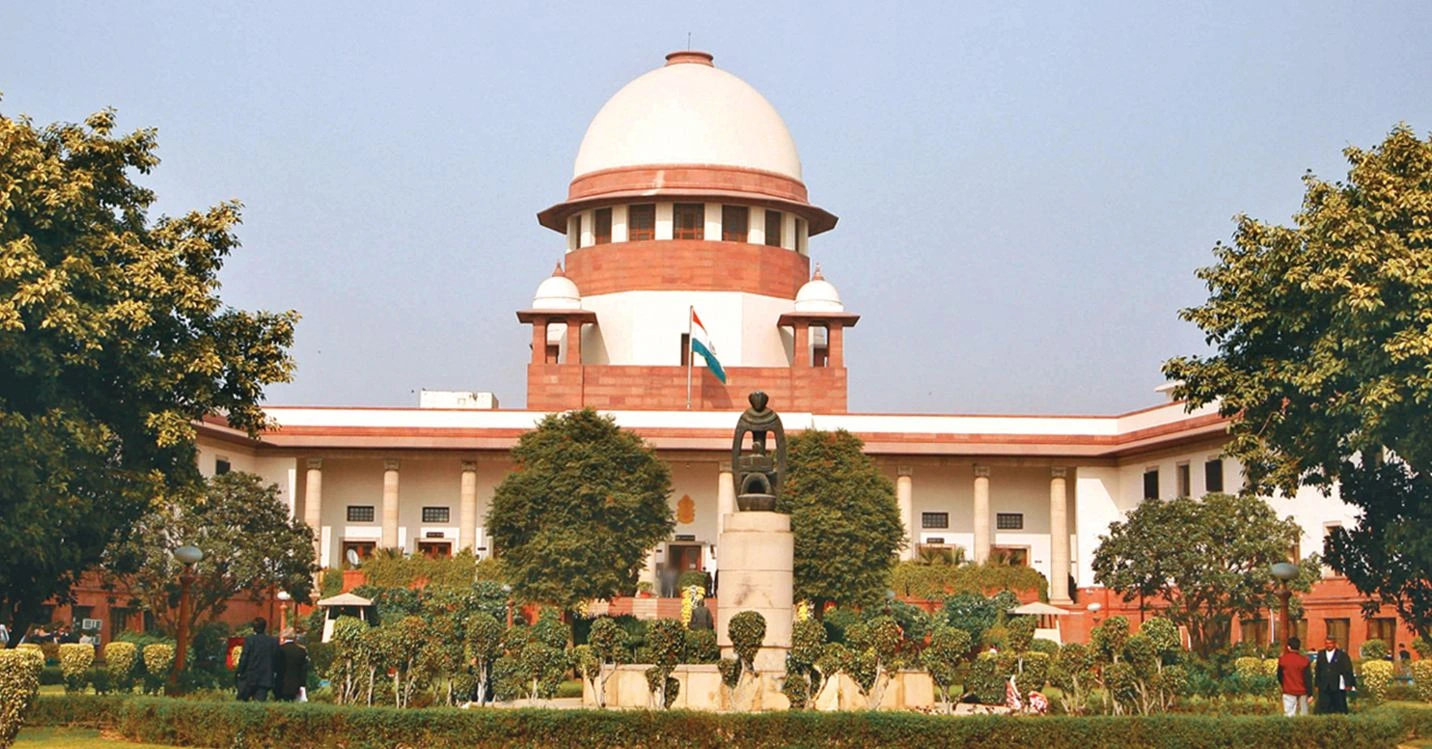
The Supreme Court has issued notice to the National Testing Agency (NTA) in a batch of petitions arising out of the alleged question paper leak in the National Eligibility-cum-Entrance Test Undergraduate 2026 (NEET-UG 2026), one of the country’s largest and most competitive medical entrance examinations.
A Bench comprising Justices PS Narasimha and Alok Aradhe expressed serious concern over the recurrence of examination irregularities despite extensive directions and institutional safeguards formulated by the apex court in the aftermath of the NEET-UG 2024 controversy.
During the hearing, the Bench observed that the continued emergence of paper leak allegations reflected a disturbing failure to implement corrective mechanisms previously mandated by the Court. The judges remarked that comprehensive safeguards, including recommendations of a high-powered committee, an accepted regulatory framework, and an oversight monitoring mechanism, had already been put in place to prevent such lapses.
Issuing notice in all connected matters, the Court directed that copies of the petitions be furnished to the Solicitor General and other respondents. The Bench further ordered the NTA to file an affidavit disclosing the present status and functioning of the monitoring committee constituted on November 14. The chairman of the committee, K. Radhakrishnan, was also directed to place on record a separate affidavit detailing compliance with the recommendations of the expert committee constituted after the earlier controversy. The matter is scheduled to be taken up again on May 29.
During the proceedings, counsel appearing for one of the petitioners informed the Court that the Union government had already announced June 21 as the date for the proposed re-examination.
The Supreme Court, however, indicated that its immediate concern extended beyond the scheduling of the fresh examination and centred primarily on the alleged institutional and administrative failures that permitted recurrence of such incidents despite prior judicial intervention.
The petitions were filed after the Union government and the NTA cancelled NEET-UG 2026, which had been conducted on May 3, following allegations of a large-scale paper leak and an ongoing investigation by the Central Bureau of Investigation (CBI).
One of the petitions, filed by the Federation of All India Medical Association through Advocate Tanvi Dubey, seeks restructuring or replacement of the NTA and prays for conduct of a fresh examination under the supervision of a judicially monitored committee headed by a retired Supreme Court judge. The plea also seeks implementation of structural reforms, including encrypted digital storage of question papers, transition to a Computer-Based Test (CBT) model, and publication of centre-wise results to identify irregularities.
Another petition, instituted by the United Doctors Front through Advocate Ritu Reniwal, challenges the organisational structure and accountability framework of the NTA. The plea contends that the agency, being a society registered under the Societies Registration Act, 1860, functions without adequate statutory accountability or parliamentary oversight. It seeks constitution of a statutory national testing authority through parliamentary enactment.
According to the petitioners, repeated incidents of examination paper leaks violate Articles 14 and 21 of the Constitution by undermining transparency, merit-based selection, and equal opportunity for more than 22 lakh candidates appearing for the examination. The pleas also refer to reports regarding an alleged “guess paper racket” unearthed by the Rajasthan Police Special Operations Group (SOG), which reportedly discovered substantial similarities between leaked material and the actual examination paper.
The petitions further contend that recommendations made by the K. Radhakrishnan Committee following the NEET-UG 2024 controversy were not effectively implemented. Among the reforms sought are transition to CBT or hybrid examination systems, encrypted digital transmission of papers, biometric verification, AI-enabled surveillance mechanisms, and constitution of an independent court-monitored oversight framework for national examinations.
A separate plea filed by Sudhakar Singh, social activist Anubhav Garg, Dhruv Chauhan and political leader Harisharan Devgan has additionally sought immediate transition of NEET-UG to a fully Computer-Based Test format, including for the re-examination proposed on June 21, 2026.
The petitioners have also sought directions for formulation of a time-bound roadmap for complete migration of NEET examinations to CBT mode with adequate cybersecurity infrastructure, accessibility safeguards, and replacement of the NTA with an independent statutory examination authority subject to judicial and technological oversight.
[ad_2]
Source link

