
[ad_1]

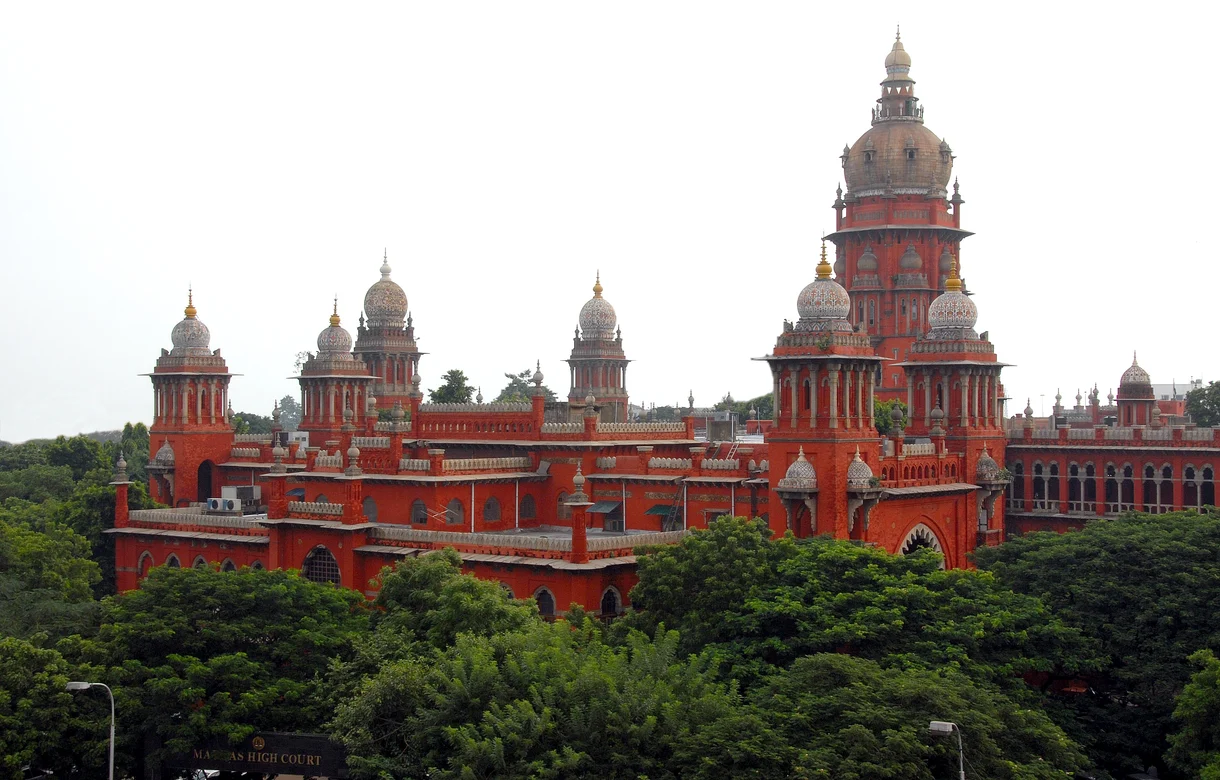
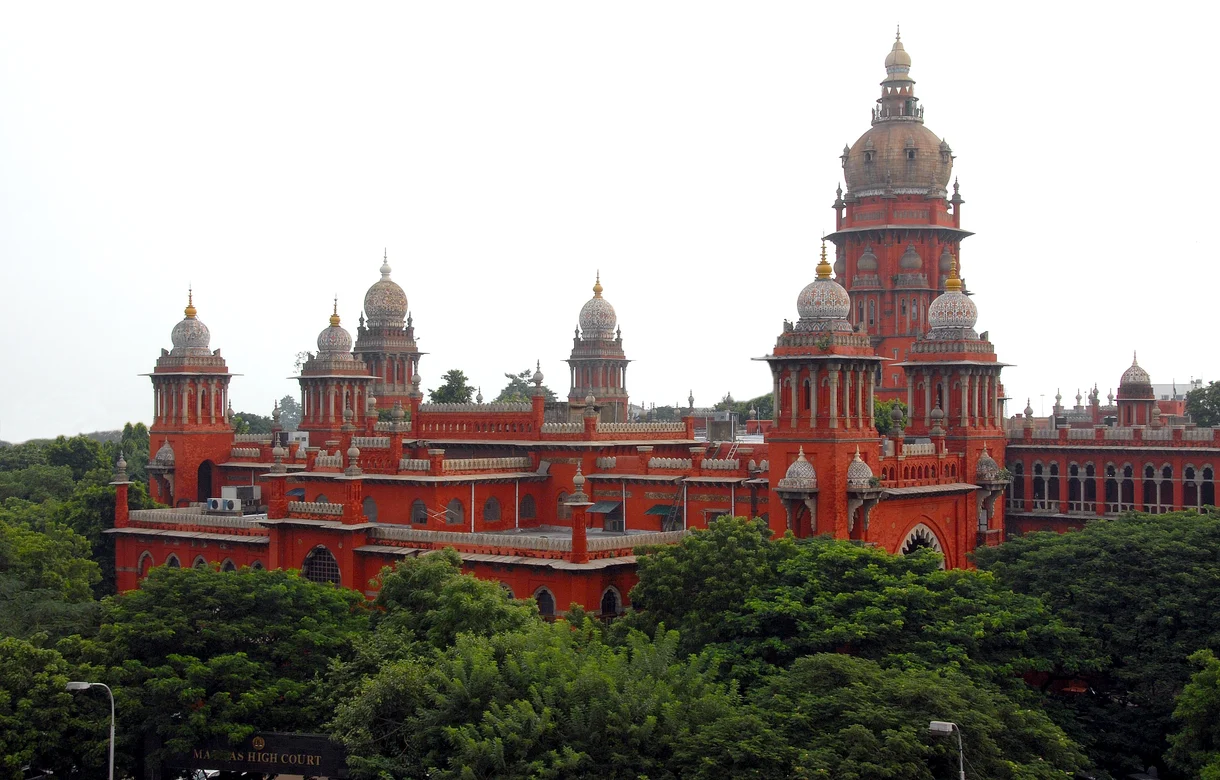
The Madras High Court has directed the Tamil Nadu government to introduce lessons on renowned jurist and architect of the Indian Constitution, Dr Bhim Rao Ambedkar, in the social science curriculum for students from Classes III to X.
The single-judge Bench of Justice L Victoria Gowri directed on April 30 that the curriculum should include Dr Ambedkar’s role as Chairman of the Drafting Committee of the Constitution; his contributions to constitutional values such as justice, liberty, equality and fraternity; his participation in the freedom movement; and his scholarly work in law, economics and social theory.
It clarified that the direction was intended to promote constitutional literacy and not political glorification. It asked the State to take steps to implement the changes from the 2027–2028 academic session, subject to administrative feasibility. While acknowledging the limits of judicial review in policy matters, the Madurai Bench of the High Court observed that it was necessary to emphasise constitutional values, particularly fraternity, which cannot be left to informal social transmission.
The Chief Secretary and the Principal Secretary of the School Education Department have been directed to file a compliance report. The matter is listed for further compliance on January 21, 2027.
The directions were issued on a petition seeking the quashing of criminal proceedings arising from a 2018 incident in Sivagangai district. According to the prosecution, the accused had allegedly desecrated a poster of Dr. Ambedkar during his birth anniversary, including acts of vandalism and circulation of a video on social media platforms. An FIR was registered under the Scheduled Castes and Scheduled Tribes (Prevention of Atrocities) Act, and the case was pending before a special court.
Although the parties later reached a settlement, the High Court did not immediately accept the compromise and instead adopted a reformative approach consistent with principles of restorative justice.
By an earlier order, the Court directed the accused to read literature on Dr. Ambedkar, distribute books to students, return compensation paid to the complainant, deposit costs with a charitable institution, and appear before the Court for assessment.
During a subsequent in-camera interaction, the Court noted that the accused had demonstrated an understanding of Dr. Ambedkar’s contributions and expressed remorse.
The Court observed that the case involved significant constitutional concerns, stating that disrespect towards Dr. Ambedkar reflects disregard for the foundational values of the Constitution.
At the same time, the Court held that the reformative measures had achieved the corrective purpose of criminal law. Taking into account the settlement, the conduct of the accused, and the consent of the complainant, it quashed the criminal proceedings, holding that continuation of the trial would not serve any useful purpose.
The Court further emphasised the need to strengthen constitutional education, observing that lack of awareness among citizens can lead to social prejudice and division. It held that promoting constitutional literacy is part of the State’s obligation within a welfare framework and cannot be treated as optional.
[ad_2]
Source link

