

Indian credit cards are shifting to everyday use, adding UPI via RuPay, cashback and rewards on bill payments, recharges and online spends, while keeping travel and lifestyle perks.

 1 / 7
1 / 7India’s digital payments ecosystem is anchored around UPI, with a large share of transactions now comprising small, frequent payments such as QR scans at stores, mobile recharges and utility bill payments. This shift in transaction patterns is also being reflected in how credit card features are structured.
 2 / 7
2 / 7What’s changing in cards? Recent credit card offerings show a broader mix of features, including support for UPI payments through RuPay networks, rewards on routine categories such as bill payments and recharges, and cashback structures linked to everyday spending, alongside existing travel and lifestyle benefits.
 3 / 7
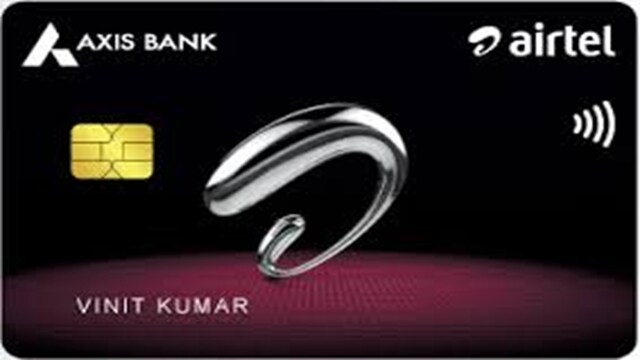
3 / 7The Airtel Axis Bank Credit Card is structured around recurring household expenses, offering cashback on Airtel services such as mobile, broadband and DTH, along with benefits on utility bill payments and a base cashback rate on other transactions.
 4 / 7
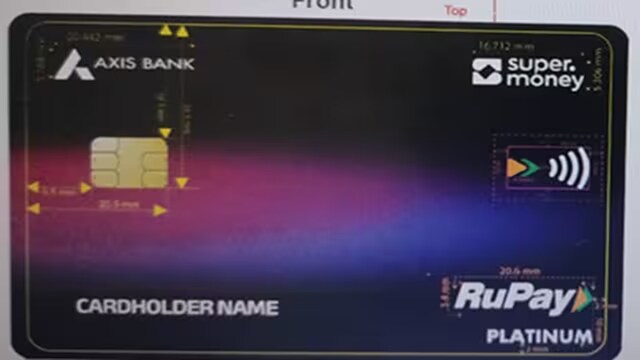
4 / 7The Axis Bank SuperMoney RuPay Credit Card enables credit-based UPI payments via RuPay QR codes, with cashback on eligible transactions. It is positioned with a lifetime-free fee structure and includes standard features such as fuel surcharge waivers.
 5 / 7
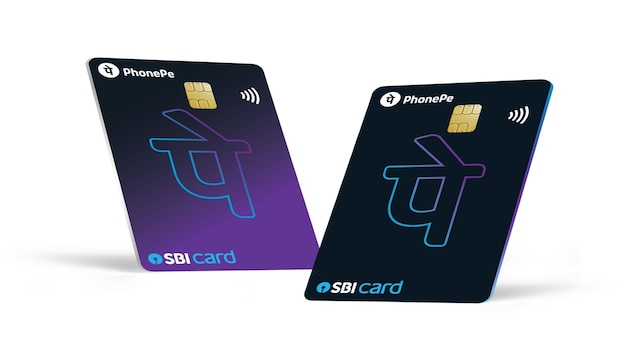
5 / 7The PhonePe SBI Card includes rewards across categories such as bill payments, recharges, online purchases and UPI transactions, with reward points redeemable against the card bill. It also offers additional features like lounge access, subject to applicable terms.
 6 / 7
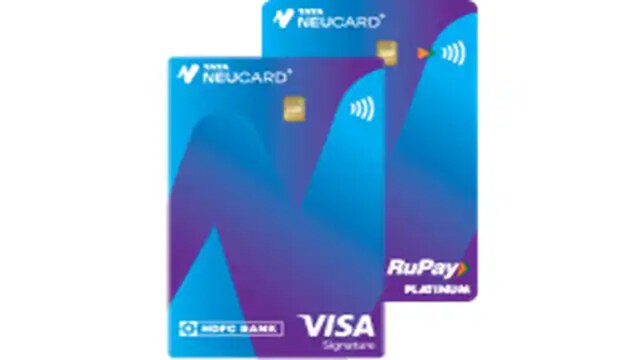
6 / 7The Tata Neu HDFC Bank Credit Card allows users to earn rewards across Tata Group platforms including retail, travel and healthcare, with additional benefits on UPI transactions for the RuPay variant and integrated tracking through the Tata Neu app.
 7 / 7
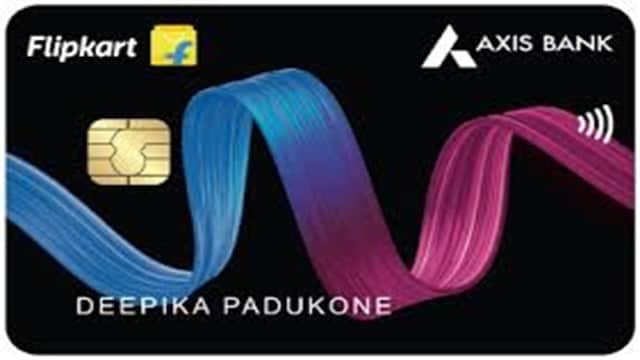
7 / 7The Flipkart Axis Bank Credit Card focuses on e-commerce spending, offering cashback on platforms such as Flipkart and Myntra, along with partner benefits and a standard cashback rate on other transactions.

