
[ad_1]

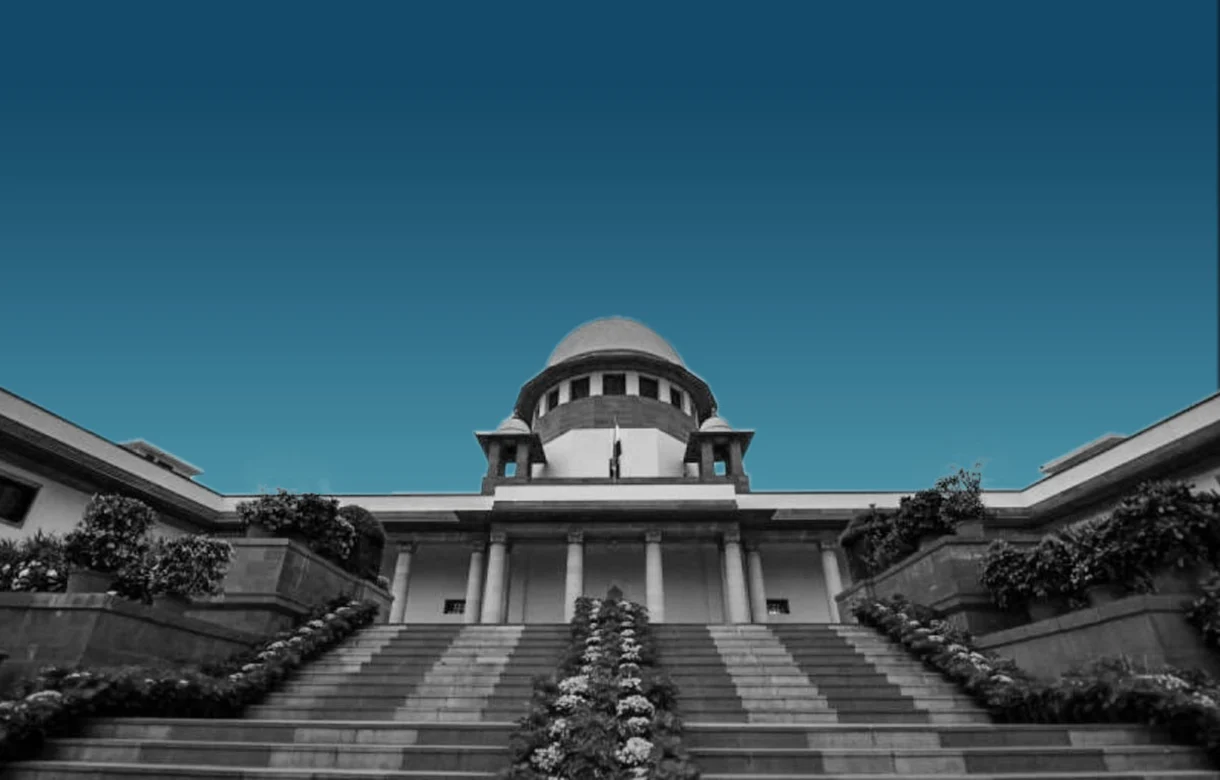
The Supreme Court on Wednesday rejected a petition seeking a probe, preferably by the Central Bureau of Investigation (CBI), into the death of 27-year-old Tarun Butolia, who was allegedly beaten to death by members of a minority community in Uttam Nagar area of Delhi on March 4 on the day of Holi.
The Bench headed by Chief Justice of India Justice Surya Kant observed that the reliefs sought in the plea were predominantly administrative in character. The Apex Court expressed reservations regarding the invocation of central investigative intervention, particularly by CBI, noting the institutional burden and operational constraints frequently cited by the agency.
It underscored the professional competence and statutory mandate of the Delhi Police under the Delhi Police Act, 1978, cautioning against unwarranted judicial interference that could potentially undermine the autonomy and morale of local law enforcement agencies.
Appearing for the petitioner, Advocate Hari Shankar Jain alleged that the incident constituted a case of mob lynching resulting in loss of life, invoking the jurisprudential framework laid down in Tehseen S. Poonawalla v. Union of India (2018) 9 SCC 501, wherein the Court had prescribed preventive, remedial, and punitive measures to curb vigilante violence and mob lynching.
In its oral observations, the Bench indicated that issues pertaining to sensitisation of police personnel, threat assessment, and protection of the victim’s family fell squarely within the administrative domain of the police hierarchy.
The Court emphasised the doctrine of exhaustion of alternative remedies, directing the petitioner to first approach the Commissioner of Police, Delhi, by way of a comprehensive representation detailing the alleged lapses and apprehensions.
Disposing of the petition, the Court recorded that the directions sought, particularly those concerning safety, security, and ancillary protective measures, did not warrant judicial intervention at this stage.
It further observed that in case the competent authority identified a credible threat perception, appropriate remedial and preventive measures would be undertaken in accordance with established protocols and statutory obligations.
The Apex Court granted liberty to the petitioner to seek recourse before the jurisdictional High Court under Article 226 of the Constitution, should the grievances remain unaddressed.
On March 4, 2026, an 11-year-old girl from Tarun’s family accidentally splashed a water balloon on a woman from another community while playing Holi on her terrace.The family immediately apologised to the woman, however, she called her relatives to the spot, who then thrashed the girl’s family members. The accused also reportedly called Tarun and informed him that his family was under attack. Hearing this, Tarun rushed to the house where the accused were already waiting, reports said.
They brutally assaulted him and allegedly threw a large stone on his chest even after he had collapsed, the reports said. He was taken to the hospital by his family members, but succumbed to his injuries during treatment on March 5. The incident led to communal tensions in the area as anger spread among residents and members of Hindu organisations.
[ad_2]
Source link

