
[ad_1]
Colon cancer is widely talked about, and how widespread it has become. According to the World Health Organisation (WHO), colorectal cancer is the third most common cancer worldwide, accounting for nearly 10 per cent of all cases.

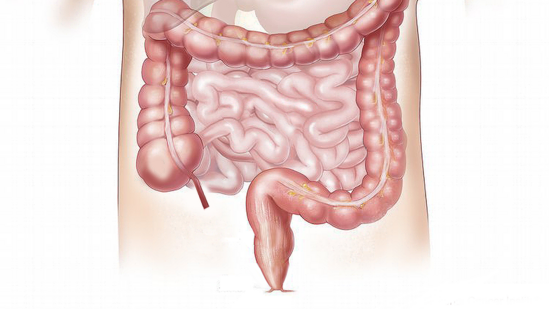
The more common type is the left-sided colon cancer. Right-sided colon cancer also occurs, but with subtle, non-specific symptoms, making it harder to identify.
HT Lifestyle asked Dr Anil Thakwani, senior consultant and H.O.D. of Radiation Oncology at ShardaCare-Healthcity, why right-sided colon cancer may go unnoticed and what makes it different from other types.
Why is right-sided colon cancer alarming?
Right-sided colon cancer is described as the ‘silent’ one in contrast to its counterpart, left-sided colon cancer, through noticeable bowel changes.
Explaining why right-sided colon cancer’s signs are silent, the oncologist shared, “The right side of the colon is a larger space, thus the tumour will take a longer time before it is obstructed or results in pain. This usually results in late diagnosis. It is a silent danger.”
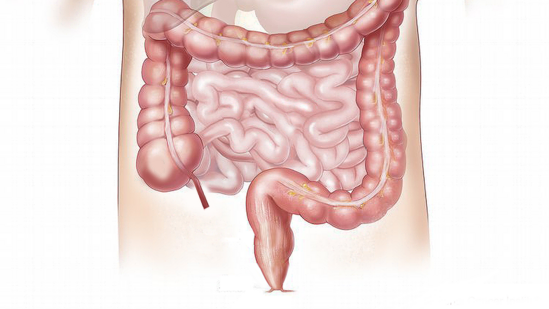
Now, Dr Thakwani shed light on the site, saying, “Right-sided colon cancer occurs in the first segment of the large intestine (ascending colon).” Most of the time, these cancers are overlooked compared to left-sided colon cancer. The main concern is that the warning signs remain mild until the disease has progressed.
Warning signs
The oncologist listed the critical signs in a detailed guide which may indicate right-sided colon cancer:
1. Unexplained bleeding
- Why it occurs: The tumour gradually bleeds into the bowel.
- What to notice: Unlike clear blood in stool, this slow internal bleeding can lead to anaemia (low haemoglobin).)
- Action: If you experience constant fatigue, weakness, or unexplained anaemia, consult a physician and consider additional diagnostic tests such as a colonoscopy.
2. Persistent bloating or abdominal pain
- Why it occurs: A growing tumour can affect normal bowel movement and digestion.
- What to notice: Many patients report a feeling of fullness or persistent bloating.
- Action: Do not ignore bloating that lasts for weeks, especially if accompanied by other symptoms.
3. Accidental, rapid, weight loss
- Why it occurs: Cancer cells require extra energy and can reduce appetite.
- What to notice: Losing weight without effort, especially over 4-5 kg, is a serious warning sign.
- Action: Unexplained weight loss should be checked by a doctor urgently.
4. Changes in bowel habits
- Why it occurs: The tumour interferes with normal intestinal function.
- What to notice: Can present as mild diarrhoea, irregular stools, or a sensation of incomplete bowel emptying.
- Action: Pay attention to changes lasting more than 2-3 weeks.
5. Constant fatigue
- Why it occurs: Linked to anaemia associated with occult bleeding.
- What to notice: Fatigue that does not go away.
- Action: Persistent fatigue should not be ignored.
Dr Thakwani further concluded by reiterating that early diagnosis is ‘life-saving’. Routine screening should be done for anyone who is more than 45 years old or the person who has a family history of colon cancer.
Note to readers: This article is for informational purposes only and not a substitute for professional medical advice. Always seek the advice of your doctor with any questions about a medical condition.
[ad_2]
Source link

