
[ad_1]

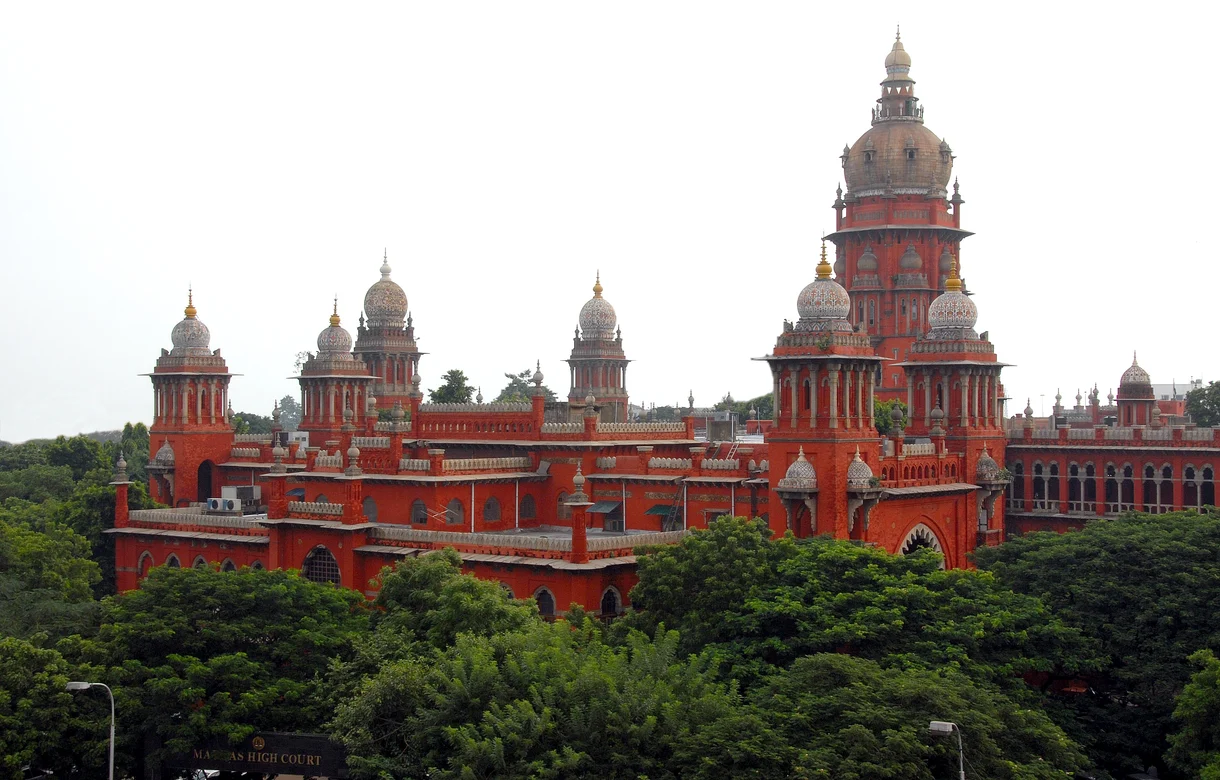
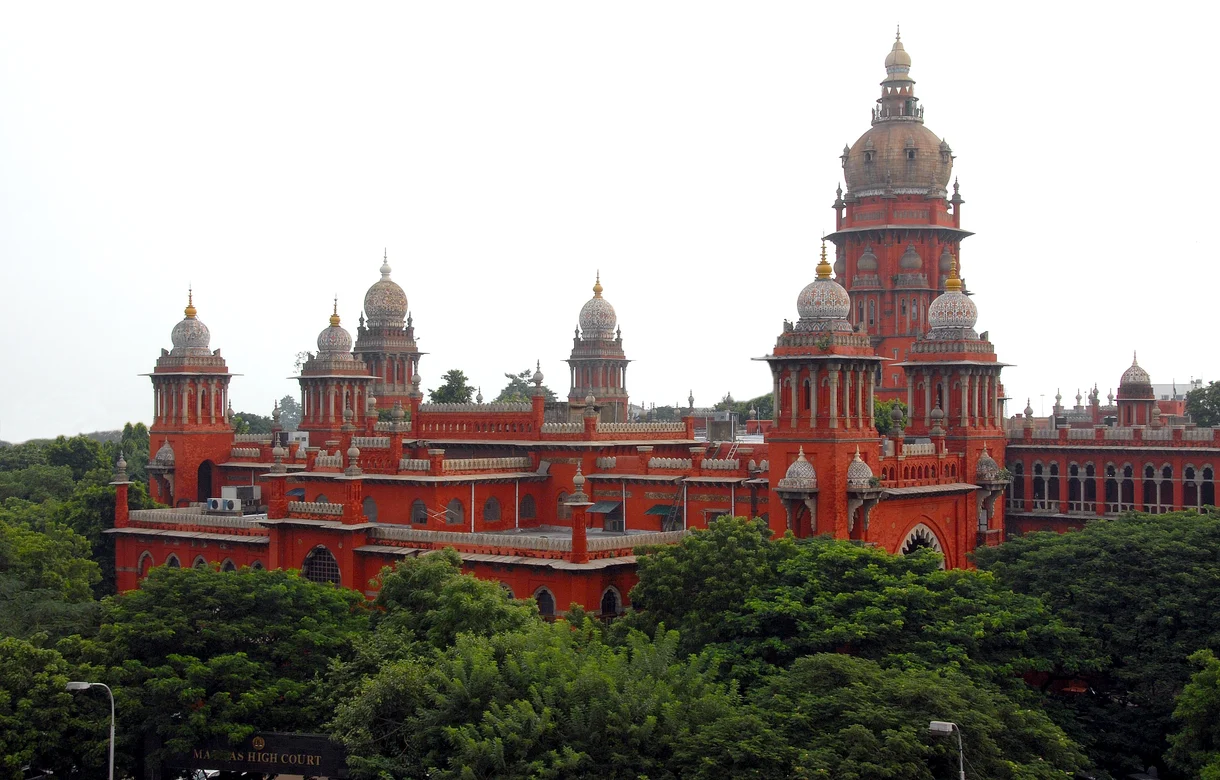
A petition seeking to halt the screening of the film “Dhurandhar: The Revenge” in Tamil Nadu ahead of the upcoming Assembly elections was recently mentioned before the Madras High Court, raising questions about the intersection of electoral fairness and freedom of expression.
The matter was brought before a Division Bench comprising Chief Justice SA Dharmadhikari and Justice G Arul Murugan.An advocate made an urgent oral submission requesting that the screening of the film be temporarily prohibited within the State until the completion of the election process. It was argued that the content of the film is allegedly political in nature and could have a bearing on voter perception if exhibited during the period when the Model Code of Conduct is in force.
The Bench, however, was not inclined to grant any immediate relief on the basis of an oral mention. The Court pointed out that no formal petition had been placed on record seeking such a direction and emphasized that any such request must be supported by proper pleadings and material. The judges advised the counsel to file an appropriate petition if the grievance was to be pursued, making it clear that the Court could not act without a structured legal challenge.
During the brief exchange, the Court also took note of the fact that the film had already been released in theatres. This aspect, the Bench indicated, would be relevant in assessing the nature of relief that could be sought, particularly when the exhibition of the film was already underway.
The issue highlights a recurring legal tension between the right to free speech and expression under Article 19(1)(a) of the Constitution and the need to ensure a fair and uninfluenced electoral process. While films and artistic works are protected forms of expression, concerns are sometimes raised when such content is released close to elections and is perceived to carry political messaging.
At the same time, the Model Code of Conduct primarily governs the conduct of political parties and candidates, and its application to cinematic works is not straightforward unless a clear and direct connection to electoral campaigning is established. Any judicial intervention in such matters would therefore require careful consideration of both constitutional protections and the factual impact of the content in question.
The Court’s response in this instance underscores the importance of procedural discipline in constitutional litigation. It reiterates that even in matters presented as urgent, parties must follow due process by filing a properly constituted petition, enabling the Court to examine the issue in detail before granting or refusing relief.
[ad_2]
Source link

