
[ad_1]


The Supreme Court of India has closed the habeas corpus petition which challenged the detention of Sonam Wangchuk, declining to keep the proceedings pending despite a request made on behalf of his wife to continue the matter.
The case was considered by a Bench comprising Justice Aravind Kumar and Justice P. B. Varale, which noted at the outset that the detention order in question had already been revoked by the authorities. In light of this development, Wangchuk had been released from custody, thereby addressing the central grievance raised in the petition.
During the hearing, it was urged that the matter should nonetheless remain pending, as it involved issues of broader constitutional significance, particularly in relation to the use of preventive detention laws and their potential implications for personal liberty. The submission sought a continued examination of the legality of the detention, even after the release of the detenue, with a view to clarifying the legal position for future cases.
The Bench, however, was not persuaded to adopt this course. It observed that the writ of habeas corpus is fundamentally concerned with securing the release of a person from unlawful detention, and once that objective has been achieved, the basis for continuing the proceedings ordinarily ceases to exist. With the detention order no longer in force, the Court held that no subsisting cause of action remained for adjudication.
At the same time, the Court clarified that the closure of the petition would not preclude the pursuit of any other remedies that may be available in law, should there be surviving grievances independent of the detention itself. This leaves open the possibility of appropriate legal recourse in a different procedural framework.
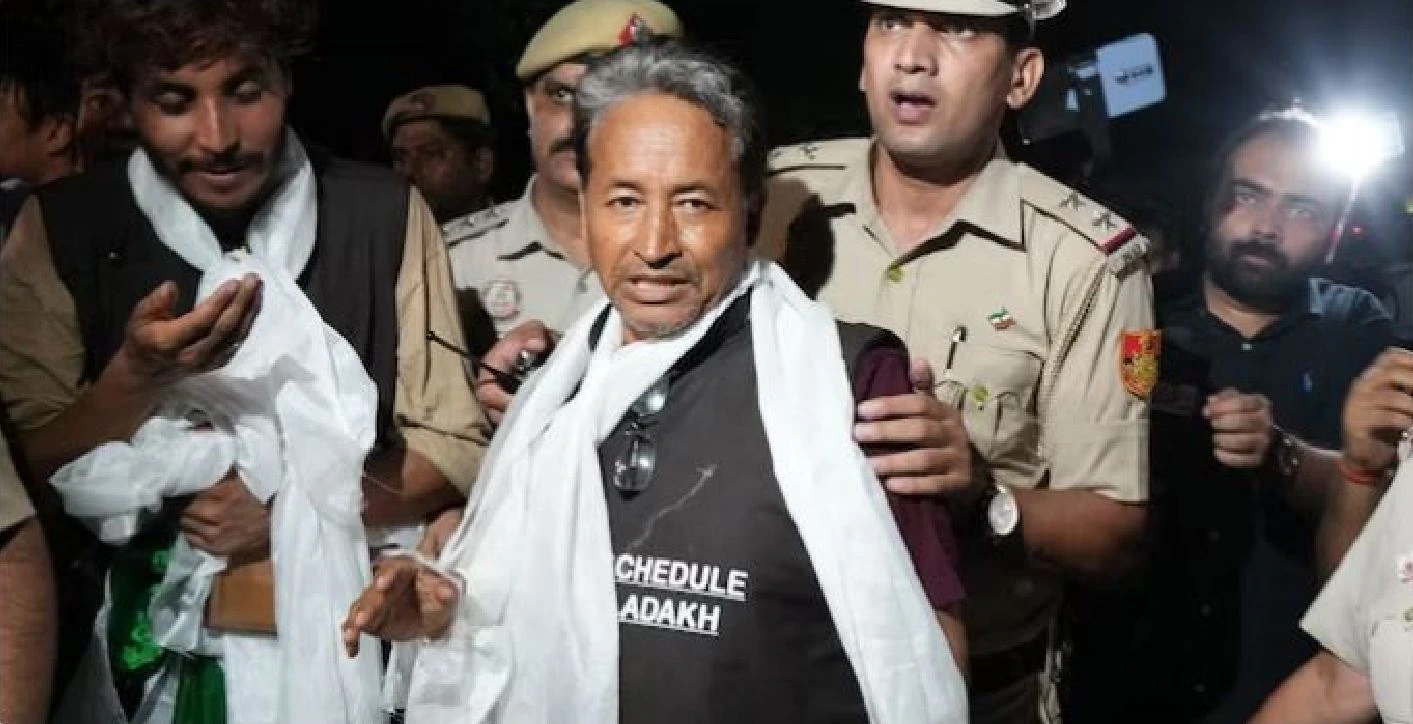
The case arose in the context of Wangchuk’s detention under preventive law provisions following protest-related developments in Ladakh, which had attracted considerable public attention and debate. Although the detention was subsequently withdrawn, the episode raised important questions regarding the scope and application of such laws in a constitutional democracy.
The Court also reaffirmed the principle that its jurisdiction is intended to address live and continuing violations, rather than matters that have become academic. The decision reflects a consistent judicial approach ensuring that while constitutional safeguards remain robust, their invocation must be grounded in an existing and enforceable grievance
[ad_2]
Source link

