

The government’s post-pandemic digital push, along with improved payment ecosystem infrastructure, has resulted in a rise in consumption of digital channels in the country for transactions and payments. The Unified Payments Interface (UPI) as a mode for payments has become very popular, and the country has witnessed a significant uptick in volumes.
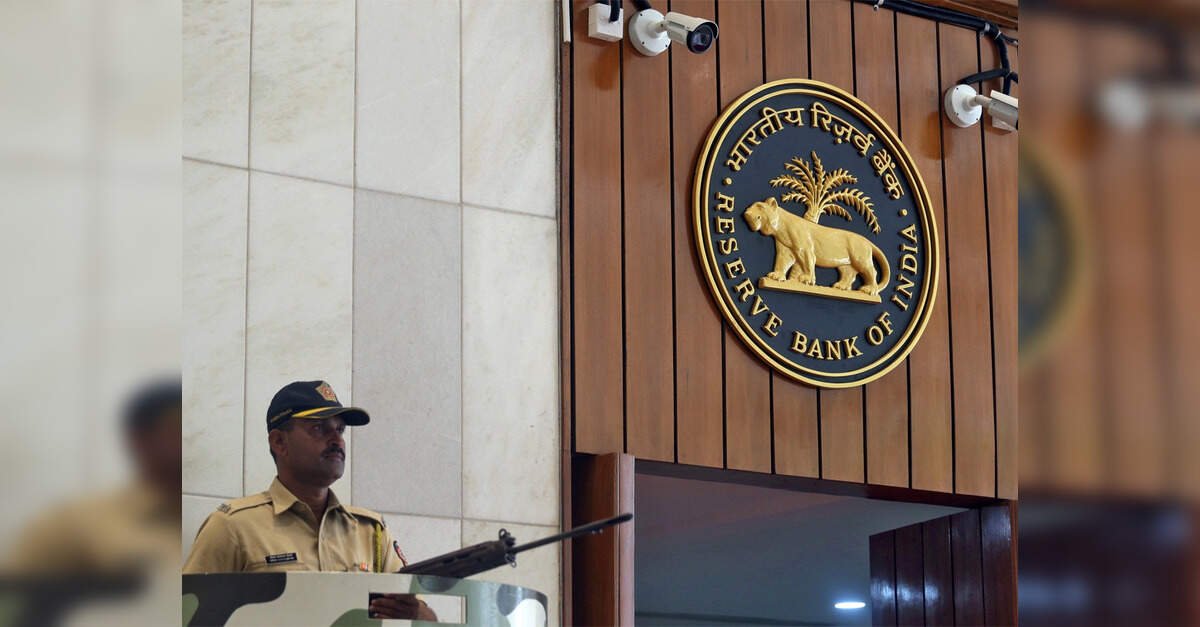
However, the rise in volumes, ease of transacting, and popularity have also led to an increase in digital frauds, impacting customers at large. Innovative scams prompted the Reserve Bank of India (RBI) to continuously enhance awareness campaigns around incidents targeting customers. The RBI also instructed banks to put adequate safeguards in place to prevent such incidents.
While the volume of digital fraud has been largely high, the values have been fairly smaller, given the nature of transactions using channels like UPI. The impact is much higher for low-income group customers who are vulnerable and lose money to frauds and scams. The recent proposal by the RBI to compensate up to Rs 25,000 is keeping the small-value frauds in focus.
Fraudsters typically exploit customers by either appealing to their greed with promises of high returns or quick profits or by instilling fear through warnings about accounts becoming inactive, delayed KYC processes, or potential digital arrests. As a result, customers unknowingly share OTPs with these fraudsters and lose money. Banks, on the other hand, have been educating customers about frauds and how to protect themselves from becoming victims of such frauds.
Ideally, if responsibility can be clearly defined for customers who divulge confidential details or for banks/merchants who fail to implement adequate measures to prevent fraud or educate customers, liability (cost) can be allocated accordingly.
In practice, whenever there are incidents, it is difficult to prove the onus, and hence, the RBI has proposed a cost-sharing ratio: 15% to be borne by the customer, 15% by the bank/merchant, and the remaining balance through the pooled industry fund.
Possible misuse: Proposed guidelines allow for compensation even if the customer has shared OTP with the fraudster
The proposed guidelines allow for compensation even if the customer has shared the OTP with the fraudster. The idea behind this is to protect vulnerable customers and to create a framework of trust in the digital ecosystem. However, such a mechanism can be prone to misuse if customers file for multiple claims for subsequent transactions, especially if they are knowingly sharing details.For preventing misuse, the RBI is considering this as a ‘one-time’ compensation per customer. It will be important to see the procedure being laid down to establish the identity of the customer (using mobile number and name de-dupe).
Turnaround time (TAT) for compensation to customers
Another important aspect to consider would be the turnaround time (TAT) for compensation. E-payment would be ideal, as the same can be effected immediately once the situation is assessed and customer identity is established, including the veracity of the claim. Consequently, automatic compensation may be avoided.
Cost for banks may be impacted
The share of liability envisaged currently for a bank may impact the costs, given the volumes being handled. Banks would have to consider robust fraud monitoring systems, and more importantly, prevention-based algorithms to minimise the impact of such one-time claim cases.
Artificial intelligence (AI)-based digital fraud detection/prevention systems are already being considered, but it will be imperative to consider the ‘effectiveness’ of the same in preventing frauds/scams through the application of rigorous back testing strategies.
The author is a Partner at EY Forensic and Integrity Services–Financial Services. Views are personal
[ad_1]
Source link

