
[ad_1]

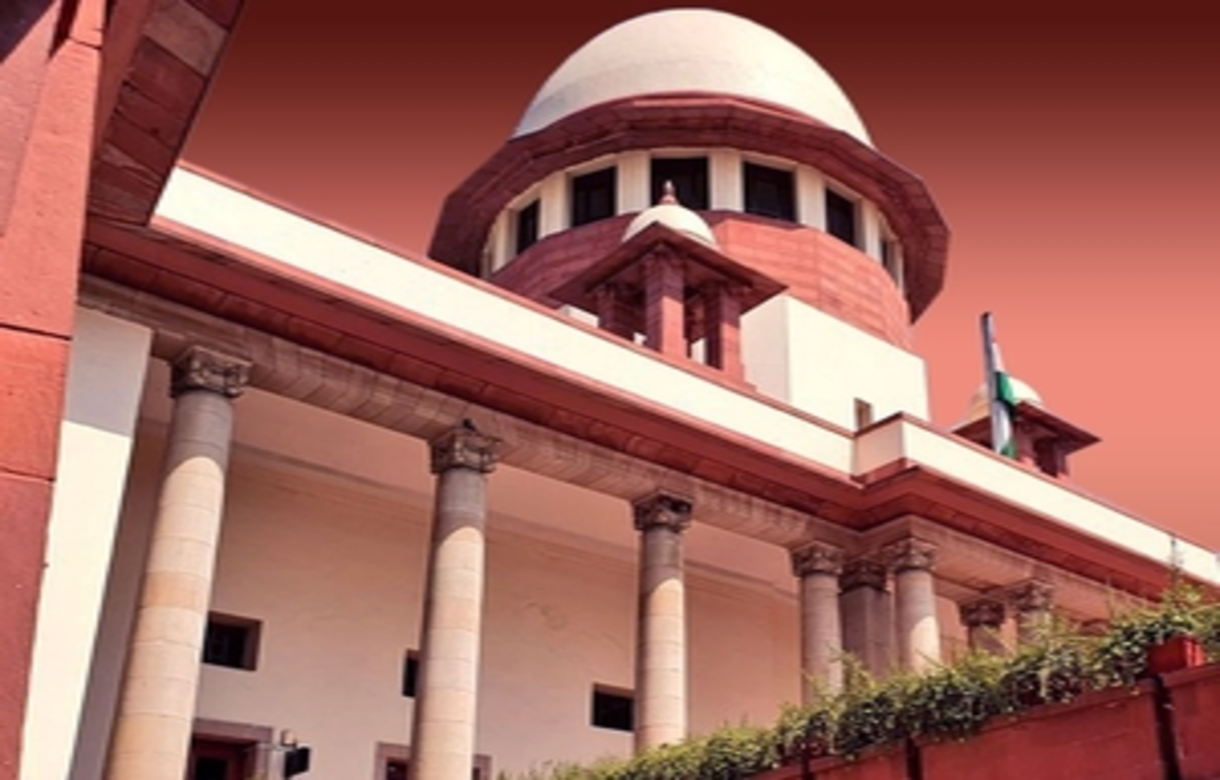
The Supreme Court recently expressed strong disapproval of a petition that questioned the establishment of a memorial dedicated to soldiers who lost their lives while serving the nation. The Court observed that monuments honoring fallen members of the armed forces represent the country’s gratitude and should not be lightly challenged.
The matter reached the Supreme Court through a Special Leave Petition filed against an earlier decision of a High Court, which had already dismissed the challenge to the memorial. While hearing the case, the bench voiced concern about the reasoning behind such litigation and highlighted the need to acknowledge the sacrifices made by military personnel.
During the proceedings, the judges remarked that soldiers protect the nation at great personal cost and that their contributions deserve respect from every citizen. According to the bench, memorials serve as a reminder of the bravery and dedication of those who gave their lives while defending the country’s sovereignty.
The Court also questioned the necessity of bringing the issue before it when the High Court had already addressed the matter. The judges indicated that challenges targeting memorials for fallen soldiers should be approached with great caution, as such sites carry deep emotional and national significance.
At one point, the bench indicated that it was considering imposing a monetary penalty of ₹1 lakh on the petitioner for pursuing the matter. Following this observation, the petitioner’s counsel requested permission to withdraw the Special Leave Petition.
Accepting the request, the Supreme Court allowed the petition to be withdrawn. With this, the case concluded without further proceedings, and the High Court’s earlier decision remained in effect.
The Court’s remarks reinforce the principle that memorials dedicated to war heroes are symbols of national respect and remembrance. By discouraging challenges to such tributes, the judiciary underscored the importance of honoring the sacrifices made by soldiers who laid down their lives in the service of the country.
[ad_2]
Source link

