


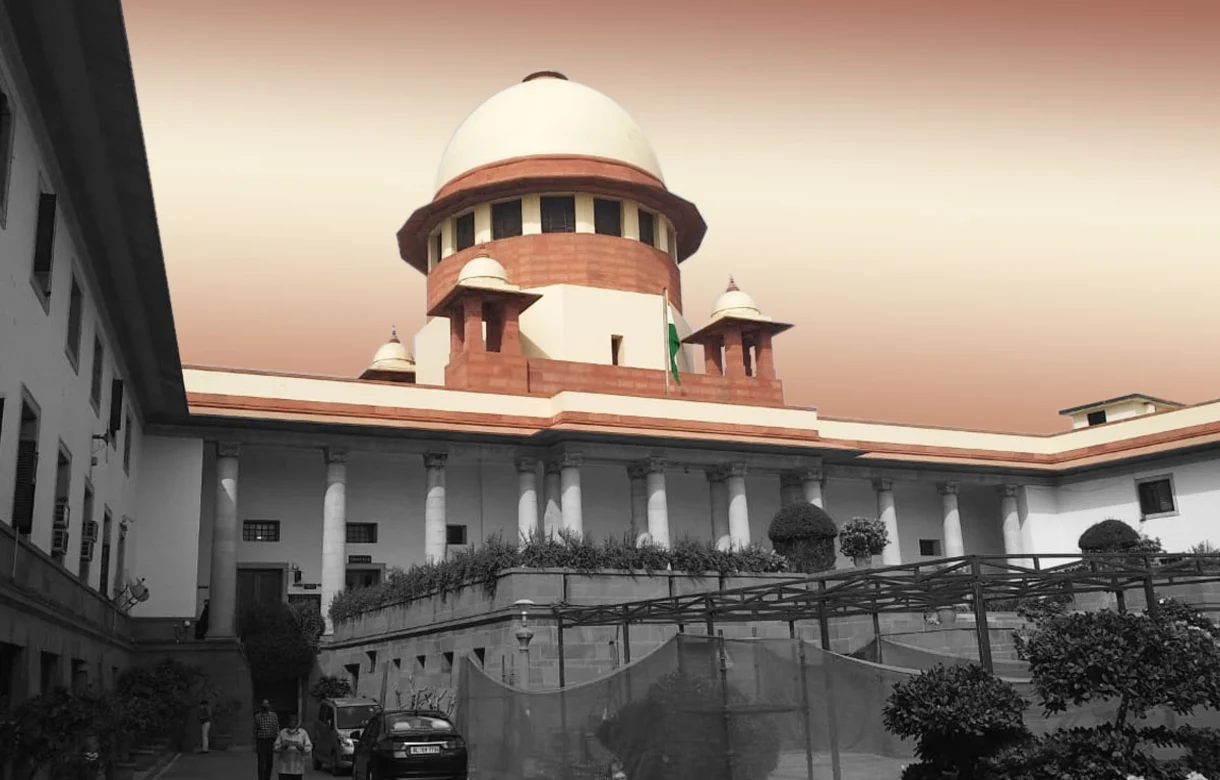
The Supreme Court of India has affirmed a decision of the Bombay High Court holding that a magistrate does not have the authority to order the blocking or removal of online content by invoking the Information Technology Rules, 2009.
The case arose from proceedings initiated by Dhyan Foundation, which had obtained an order from a metropolitan magistrate directing Google LLC to take down certain videos hosted on YouTube that were alleged to be defamatory. When the order was challenged, the High Court ruled that Rule 10 of the 2009 IT Rules does not confer powers on a magistrate to direct intermediaries to block or disable access to digital content.
Upholding this view, the Supreme Court observed that such authority must flow from a clear statutory provision and cannot be assumed in the absence of express legislative backing. The Court noted that blocking online material affects freedom of expression and access to information, and therefore requires adherence to the specific procedure established under law.
The High Court had also stayed contempt proceedings initiated against Google and upheld a sessions court order condoning delay in challenging the magistrate’s directive. The Supreme Court declined to interfere with these findings, effectively confirming that criminal courts cannot rely on the IT Rules, 2009, to issue blocking directions.
While dismissing the challenge, the top court indicated that parties seeking removal of allegedly unlawful online content may pursue appropriate civil remedies instead of invoking criminal jurisdiction for such relief.