


Mumbai: The courts are increasingly nudging feuding business family members to try to resolve their high-stakes disputes through mediation, noting prolonged litigation could adversely impact both relationships and enterprise value, legal experts said.
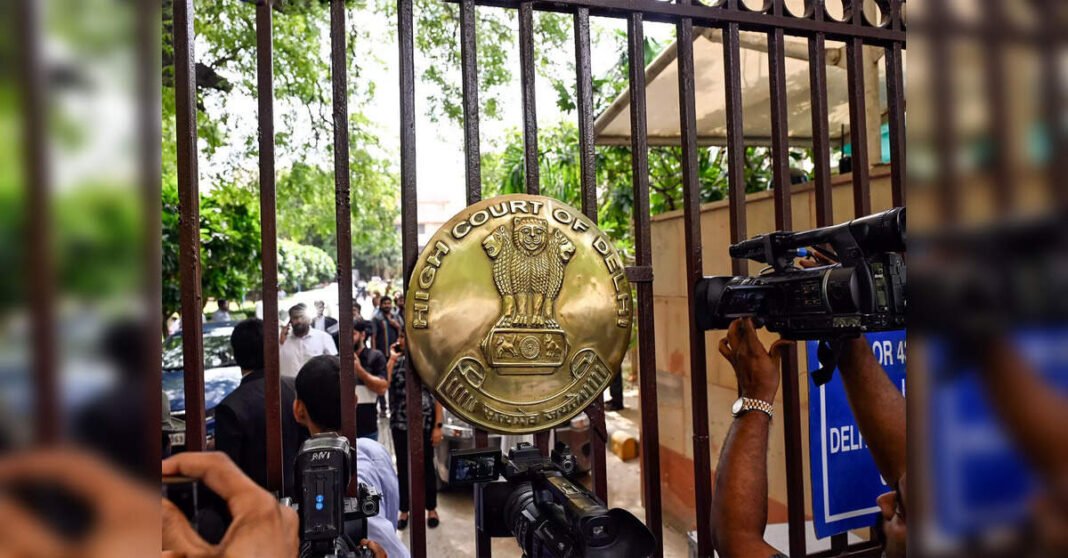
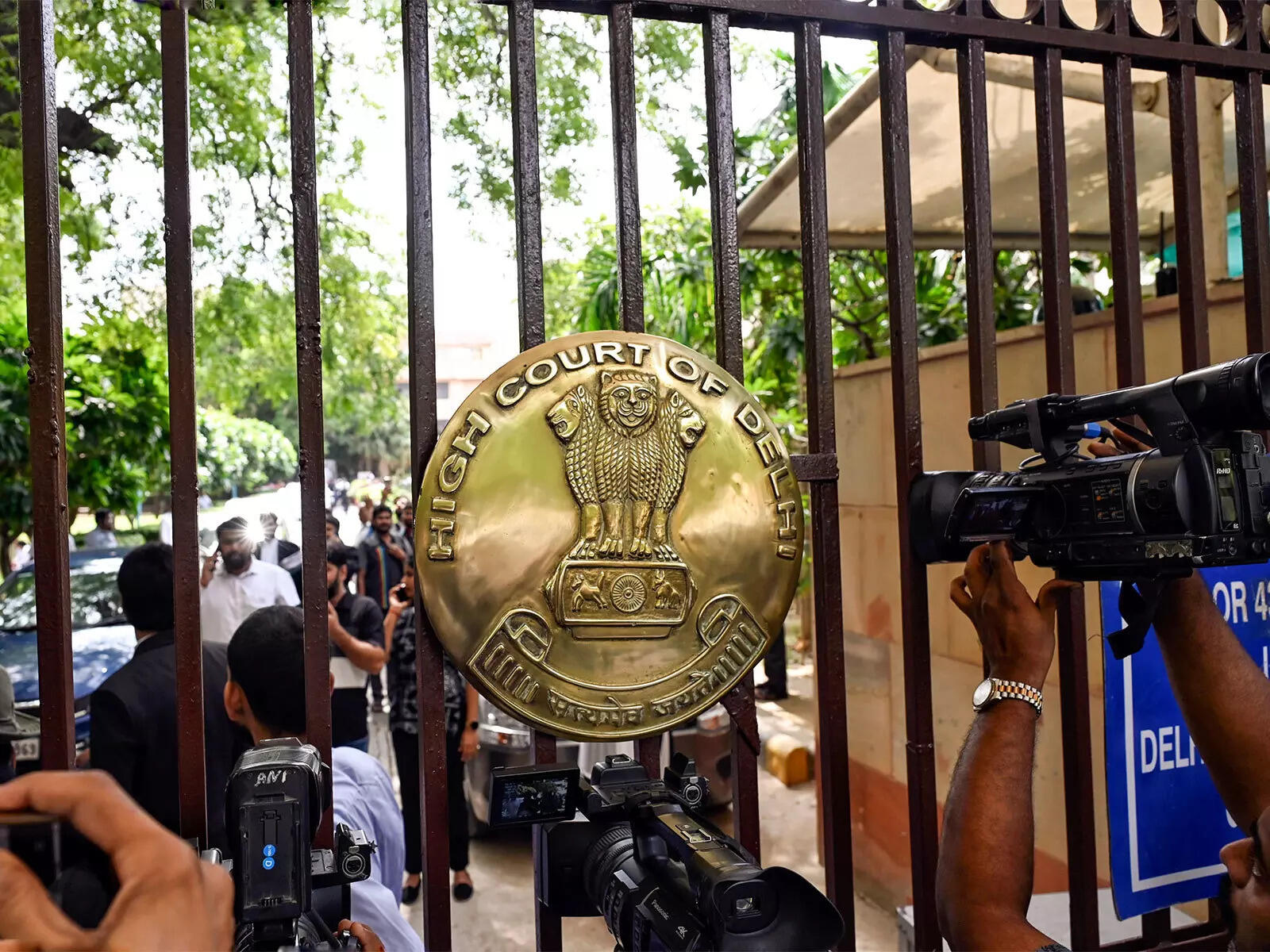
The Delhi High Court last week asked lawyers representing late businessman Sanjay Kapoor’s wife Priya and his mother Rani Kapoor to explore whether the matter could be resolved through mediation.
“High courts have, in several inheritance and promoter-family disputes, directed parties to explore mediation at an early stage, observing that negotiated settlements are often better suited to resolving overlapping personal and commercial issues,” said Ajay Khatlawala, senior partner at law firm Little & Co.
Last year, warring promoters of Anchor Group, brothers Mehul and Hemang Shah, agreed to resolve their differences through mediation after the Supreme Court suggested it while brothers and realtors Abhishek and Abhinandan Lodha reached a settlement over the use of the brand Lodha after the Bombay High Court appointed former Supreme Court Justice RV Raveendran as mediator.
Typically, family business disputes sit at the intersection of family, corporate, and inheritance law; they are relationship-dense, multi-issue and often value-destroying if litigated publicly, which makes them structurally well-suited for pre-litigation or early-stage mediation, said Soumee Bhatt, managing partner at Bombay Juris Law Offices.
Section 7 of the Mediation Act, 2023, empowers courts and tribunals to refer disputes to mediation at any stage.
“A judicial or other prominent figure can provide the reasoning and logic to bring about a settlement in the larger long-term interests of all the parties,” said Anand Desai, managing partner at law firm DSK Legal. “Over the years, we have seen industry leaders and senior politicians bringing about settlements as well.”
Several experts are urging business groups to create a formal structure to avoid or deal with such disputes.
“Family constitutions or master framework agreements are becoming increasingly used, though still not as widespread as needed,” said Ketan Dalal, managing director of boutique advisory firm Katalyst Advisors.
Induction of the next generation and a rise in overall family feuds are prompting business families to put in place such agreements. “These normally encapsulate larger ecosystems of the family, including modes of behaviour, passive assets, brands, non-compete, and non-solicitation, and in relation to operating businesses, they usually make a reference to broad principles to be captured in a shareholders’ agreement,” Dalal explained.
Also, private dispute resolution mechanisms help avoid public scrutiny and reputational harm.
“These disputes are rarely about pure points of law. They are about legacy, control, identity, and intergenerational transition,” said Ashish Bhakta, founding partner at ANB Legal. “They are dining room skirmishes rather than court or boardroom battles,” he added.
According to the National Judicial Data Grid (NJDG), more than 48.4 million cases are pending across courts in India, including over 6.38 million in High Court and more than 92,300 in the Supreme Court.