

A few simple checks—from your PAN details to bank account information and capital gains reporting—can help you avoid notices, delays and defective ret…


 1/10
1/10Claim all eligible deductions: Review the deductions and exemptions available under your chosen tax regime. These may include deductions for eligible investments, health insurance premiums, additional NPS contributions, home loan interest and qualifying donations.
 2/10
2/10Disclose foreign assets and overseas income Resident taxpayers with foreign bank accounts, overseas investments or foreign income must disclose these details wherever applicable in the ITR. Failure to do so may attract penalties under the Income Tax Act.
 3/10
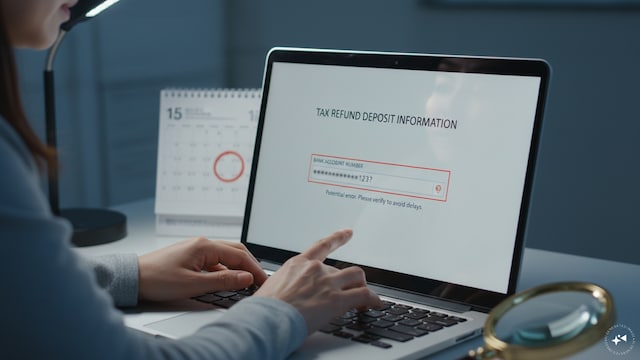
3/10Recheck bank account details An incorrect bank account number or IFSC code can delay your tax refund. Confirm that the correct, pre-validated bank account has been selected.
 4/10
4/10Pay any outstanding tax If your tax computation shows an outstanding liability, pay the self-assessment tax before filing the return. Ensure the challan details are correctly entered in the ITR.
 5/10
5/10Preview and e-verify your return Review your total income, deductions, tax liability and refund amount before submitting the return. After filing, complete the e-verification process through Aadhaar OTP, net banking or any other available method. An ITR is treated as filed only after successful e-verification.
 6/10
6/10Common mistakes to avoid Tax experts advise taxpayers to avoid errors such as selecting the wrong ITR form, ignoring mismatches between AIS and Form 26AS, failing to disclose interest or dividend income, incorrectly reporting capital gains, entering incorrect bank details or forgetting to e-verify the return. Filing well before the deadline can also help avoid portal congestion and minimise the risk of mistakes.
 7/10
7/10 8/10
8/10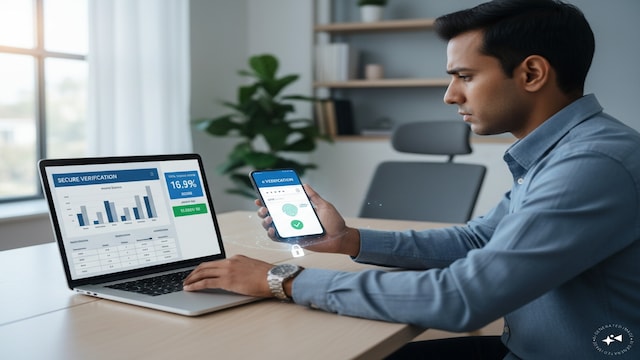 9/10
9/10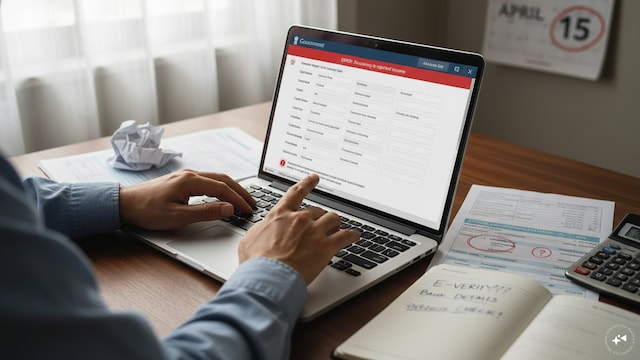 10/10
10/10
This article is for informational purposes only and should not be construed as investment advice. Readers should consult certified experts before making any investment decisions.

