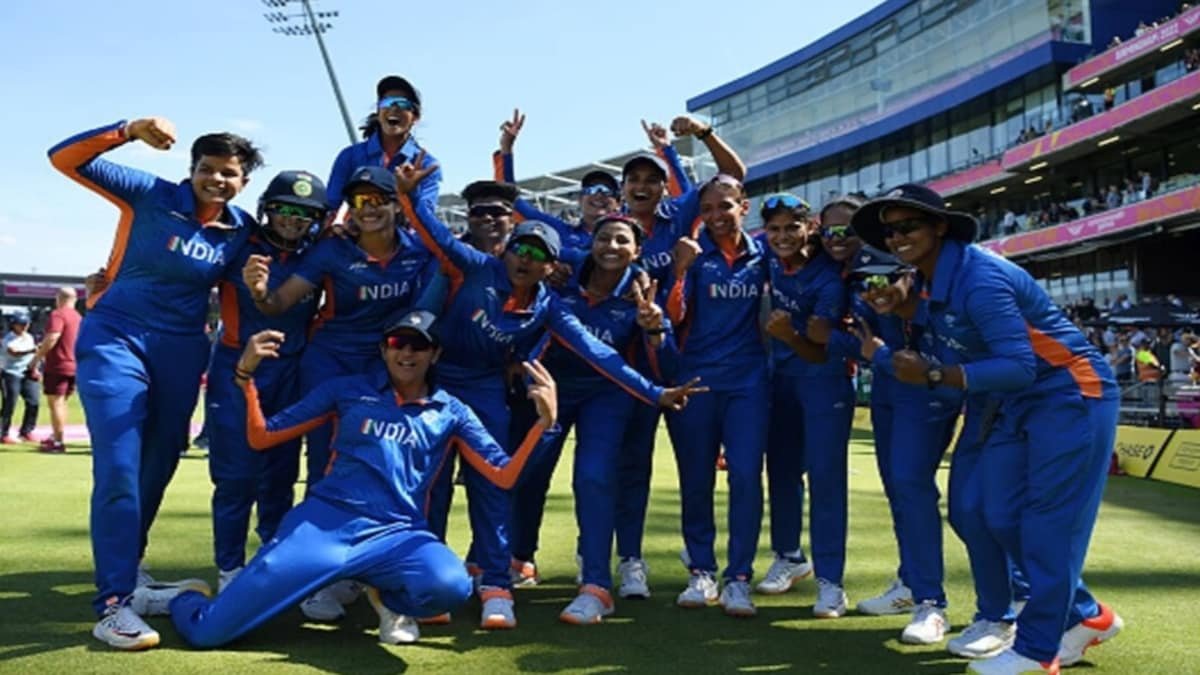

The omission is a major disappointment for cricket-playing nations, particularly India, whose women’s team won the silver medal when cricket returned to the Commonwealth Games in 2022 after a 24-year absence.

Cricket had previously appeared only once in Commonwealth Games history, at the 1998 Kuala Lumpur Games, before making its comeback in Birmingham through the women’s T20 format.
The 2026 Commonwealth Games have been scaled down to just 10 sports and 215 medal events, a sharp reduction from the 20 sports featured at Birmingham 2022. Along with cricket, several major disciplines including badminton, hockey, wrestling, squash, table tennis, rugby sevens, beach volleyball, diving and triathlon have also been dropped from the programme.
The reduced schedule is a direct consequence of the withdrawal of the original host, Australia’s Victoria state, which pulled out of staging the Games in July 2023 after projected costs ballooned to an estimated AUD 6-7 billion.
Following Victoria’s withdrawal, the Commonwealth Games faced uncertainty before Glasgow agreed to step in as the replacement host with financial support from Commonwealth Games Australia.
With less than two years available to prepare for the event and a strong emphasis on reducing costs, organisers chose to stage the Games using just four existing venues and a streamlined competition schedule rather than constructing new infrastructure.
The downsized format has also resulted in nearly 2,000 fewer athletes competing compared to the previous edition, forcing organisers to significantly reduce the number of sports and medal events.
Despite cricket’s growing global appeal and the success of its return at Birmingham 2022, the sport did not make the final programme for Glasgow due to the limited scope of the Games.
While cricket will be absent from the Commonwealth Games this year, the sport is set to return to the Olympic stage at the Los Angeles 2028 Olympics, marking its first appearance at the Games in more than a century.
Its future at the Commonwealth Games, however, will continue to depend on the host city’s chosen sporting programme and organisational priorities for each edition.

